

 Предпросмотр
 Поделиться
 Поделиться
 Детали произведения

 Скачать
 Похожие работы
 Рентгенография
 Слайд-шоу
 Статистика
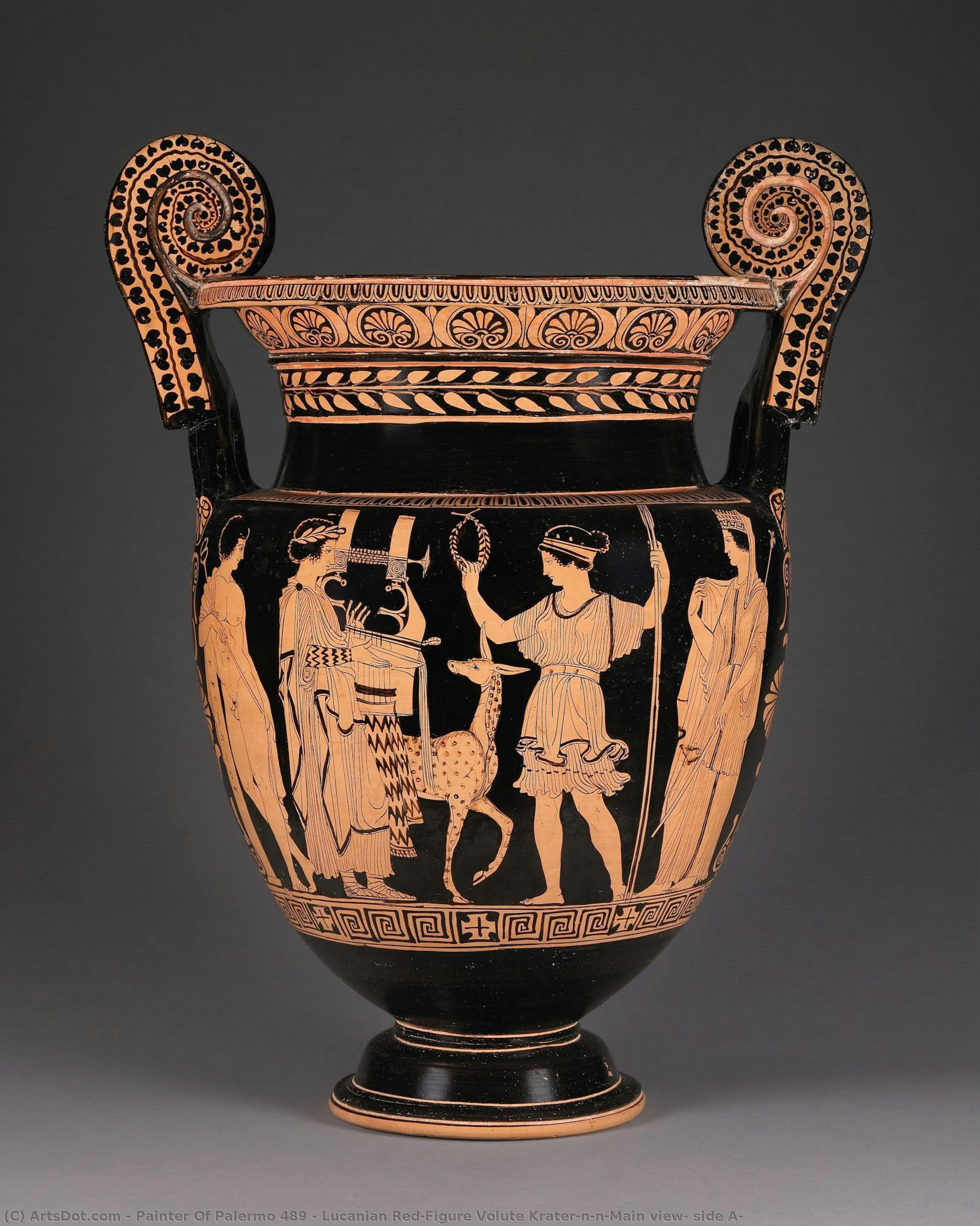
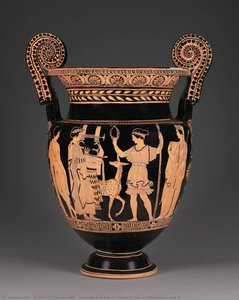
Lucanian Red-Figure Volute Krater\n\n(Main view, side A)
 Acrylic On Canvas
- WallArt
- Early Corinthian Style
 56.0 x 34.0 cm
 Музей Дж. Пол Гети
 Читать далее
Приобретите цифровое изображение высокого разрешения в улучшенном качестве, которое значительно превосходит онлайн-превью.
Каждый файл тщательно подготавливается нашими специалистами с использованием передовых инструментов и экспертной ручной ретуши. Мы гарантируем исключительную четкость, точную цветопередачу и детальную проработку каждого изображения.
Финальный файл доставляется по электронной почте в течение 72 часов и оптимизирован для немедленного использования в профессиональной среде, при верстке и печати. Это тот же уровень качества, которому доверяют ведущие дизайнерские студии, издательства и галереи.
Цифровое изображение
Скачайте файл высокого разрешения для личного использования, печати и творческих проектов. ( Перейти к печати Купить картину ручной работы)
Включено в каждый заказ цифровых изображений
Гарантия экспертной цифровой доставки
Выбирая ArtsDot.com, вы получаете не просто изображение — вы приобретаете профессионально обработанное цифровое произведение искусства, созданное с безупречной точностью и под защитой гарантии качества. Вот всё, что автоматически входит в ваш заказ:

Мгновенная доставка по e-mail
Ваш цифровой файл в высоком разрешении будет отправлен вам по электронной почте в течение 72 часов после оформления заказа — и сразу станет доступен для использования.

Цифровой файл с ИИ-улучшением
Ваше произведение искусства проходит профессиональную оптимизацию с использованием передовых инструментов ИИ и ручной обработки, что гарантирует максимальную детализацию, четкость и точность цветопередачи.

Бессрочная бесплатная повторная доставка
Случайно удалили или потеряли файл? Не беспокойтесь — мы отправим его вам повторно в любое время и совершенно бесплатно.

Без импортных пошлин — навсегда
Наслаждайтесь вашим произведением искусства мгновенно без таможенных пошлин, сборов или затрат на доставку — цифровые загрузки всегда не облагаются налогом.

Гарантия точности цветопередачи
Мы гарантируем, что ваше цифровое изображение максимально точно передает оригинальные цвета благодаря использованию профессиональных инструментов и систем управления цветом.

Гарантия удовлетворенности 100 дней
Если вы не будете удовлетворены своим цифровым изображением, мы внесем правки или вернем 100% стоимости в течение 100 дней — без лишних вопросов.

100% Гарантия возврата средств
Не удовлетворены покупкой? Получите полный возврат средств в течение 100 дней после получения цифрового файла — без лишних вопросов.

Скидки на оптовые заказы
Купите 3 изображения, сэкономьте 10% — Купите 5, сэкономьте 15% — Купите 10+, сэкономьте 20%. Отличное решение для творческих проектов, галерей и агентств.
Похожие произведения
Биография художника
The Enigmatic Maestro of Corinthian Black Figure
The history of ancient Greek ceramic art is often written through the shadows of anonymous masters, and few figures loom as large yet remain as mysterious as the painter of Palermo 489. Operating in the vibrant, experimental atmosphere of Corinth, Greece, between approximately 640 and 625 BC, this artist existed during a transformative epoch. It was a time when the decorative, exotic flourishes of the Orientalizing period were beginning to coalesce into the disciplined, narrative power of the black-figure technique. While his true name has been lost to the sands of antiquity, his artistic fingerprint is indelibly pressed upon the evolution of Greek pottery, marking him as a pivotal bridge between two eras of classical expression.
To study the work of the painter of Palermo 4 0 is to witness the birth of a new visual language. His primary medium was the aryballos—small, elegant vessels used for storing precious scented oils—which required a delicate yet commanding hand. Through the masterful use of incised lines and carefully applied pigments, he achieved a level of detail that breathed life into the clay. This technique allowed for an expressive dynamism, where the silhouettes of figures were not merely static shapes but participants in unfolding dramas. His ability to manipulate the dark slip against the pale clay surface provided a stark, rhythmic beauty that would become the hallmark of Corinthian excellence.
A Legacy Carved in Clay and Lineage
The true greatness of the painter of Palermo 489 lies not only in his individual hand but in the lineage of talent he nurtured. He was far more than a solitary craftsman; he was a foundational educator whose influence rippled through generations of Greek artists. Most notably, he served as the mentor to the Columbus Painter, an artist who would go on to refine the black-figure style with even greater vigor. This pedagogical connection created a stylistic chain reaction, extending his artistic DNA to the Chimaira Painter and the broader Chimaira Group.
Through this lineage, we can trace the development of several key artistic elements:
- The Mastery of Form: The transition from purely decorative patterns to structured, anatomical figures.
- Narrative Depth: The integration of Homeric myths and epic poetry into the very fabric of functional objects.
- Technical Precision: The refinement of incision techniques that allowed for more complex storytelling on a miniature scale.
The influence of his pupils, such as the Chimaira Painter, brought even stronger Near Eastern motifs—like the powerful, stylized lions of Assyrian art—into the Corinthian repertoire. Yet, the seeds of this complexity were sown in the workshop of the painter of Palermo 489. He provided the technical foundation and the conceptual framework that allowed his students to push the boundaries of what ceramic art could achieve.
Historical Significance and the Eternal Flame of Art
Though the surviving fragments of his work are scarce, the historical weight of his contribution is undeniable. He stood at the crossroads of tradition and innovation, capturing the moment when Greek art moved away from the purely ornamental and toward the profoundly human. His engagement with mythological themes—tales of gods, heroes, and the epic struggles of antiquity—helped establish a visual vocabulary that would define Mediterranean culture for centuries.
In the study of ancient ceramics, he remains a symbol of the anonymous genius. He reminds us that the progress of art is often driven by those whose names we may never know, but whose vision continues to shape the world. The painter of Palermo 489 did not merely decorate vessels; he helped forge the aesthetic soul of the Corinthian black-figure tradition, ensuring that even in the smallest aryballos, the grandeur of the Greek spirit could be preserved and passed down through the ages.
painter of palermo 489
Greece
Основные сведения
- Artistic Movement Or Style: Black-figure style
- Artists Or Movements Influenced By This Artist: ['Columbus painter']
- Date Of Birth: Living
- Nationality: Greek
- Notable Artworks: ['Aryballoi']
- Place Of Birth: Corinth, Greece