

 Предпросмотр
 Поделиться
 Поделиться
 Детали произведения

 Скачать
 Похожие работы
 Рентгенография
 Слайд-шоу
 Статистика
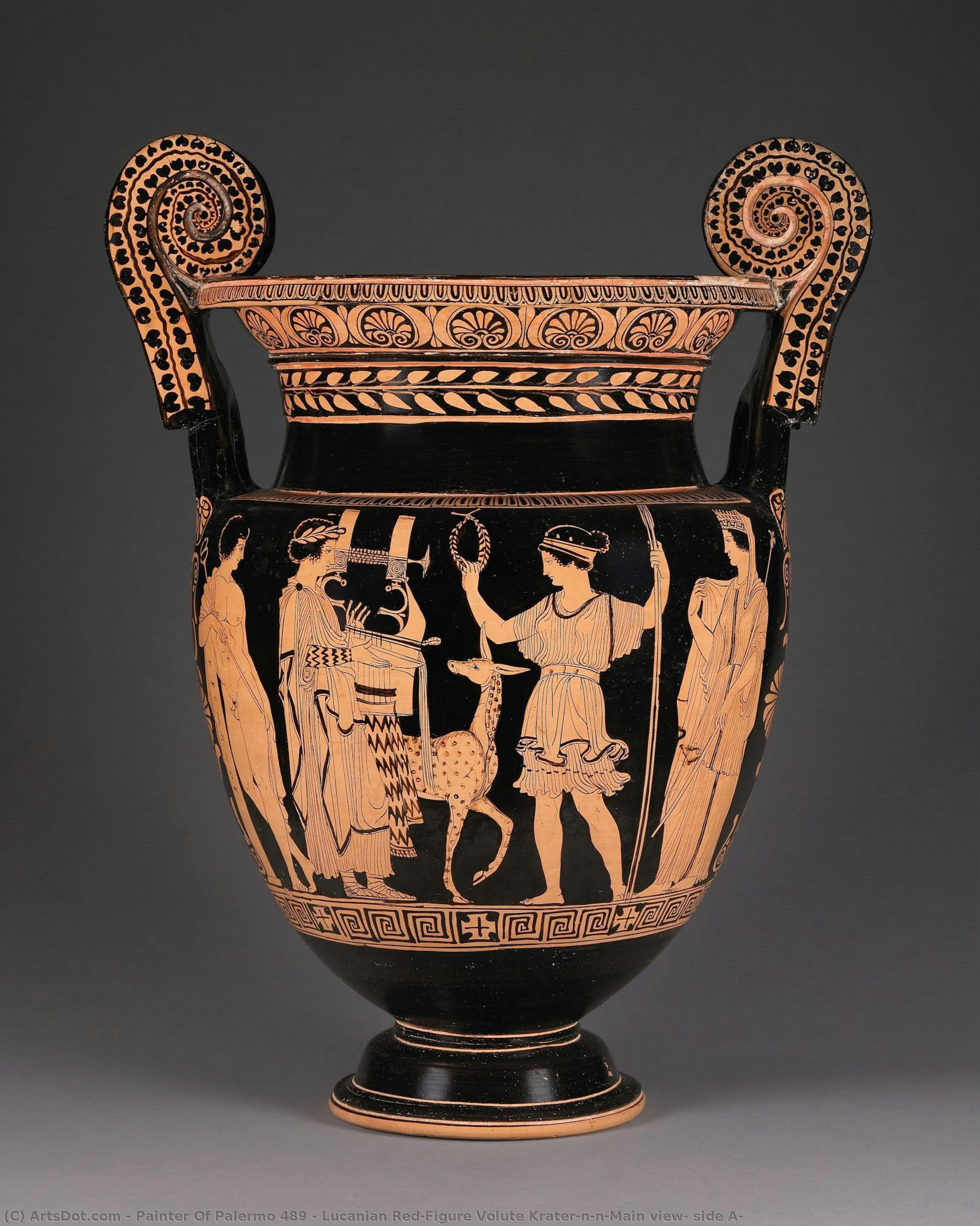
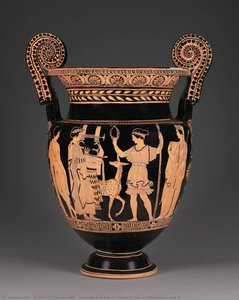
Lucanian Red-Figure Volute Krater\n\n(Main view, side A)
 Acrylic On Canvas
- WallArt
- Early Corinthian Style
 56.0 x 34.0 cm
 Музей Дж. Пол Гети
 Читать далее
Жикле / Арт-принт
Печать (жикле) или холст музейного качества с быстрыми сроками изготовления и широким выбором вариантов отделки. ( Купить картину ручной работы Перейти к цифровым изображениям)




P118B $10

P118H $10

P118W $10

P438Z $10

P508JH $12

P508YH $12

P805H $10

P805Z $10

P919BZ $10

P919G $10

P919XJ $10

P959ZH $10

P968JZ $12

W106C $8

W218G $10

W218JH $8

W218Y $10

W307PJ $10

W316G $10

W316PJ $8

W316Y $10

W398PJ $8

W4111J $10

W500HY $15

W500JH $15

W692G $12

W849H $8

W940BG $15

W953PJ $8




Выберите один из наших стандартных размеров, соответствующих оригинальным пропорциям произведения искусства.

Вы можете указать свои собственные размеры, чтобы репродукция идеально подошла под конкретную раму или пространство. Если выбранный вами размер не будет соответствовать пропорциям оригинала, мы либо обрежем произведение, либо дополним изображение зеркальным отражением краев или однотонной заливкой. Перед началом производства вам будет отправлен цифровой макет для утверждения.
Пожалуйста, обратите внимание, что предварительный просмотр на экране не отображает фактическую обрезку или расширение изображения. Только макет точно покажет финальную композицию.
Несмотря на возможность заказа индивидуальных размеров, мы рекомендуем выбирать размер из предопределенного списка, чтобы сохранить оригинальные пропорции.
Доставка по всему миру () за 2 недели вместо стандартных 4/5 недель. (13 Сентябрь)

Бесплатная экспресс-доставка по всему миру

Высококачественный льняной холст

Полное страхование доставки

Гарантия возмещения таможенных пошлин

Гарантия точного соответствия цветов

100-дневная политика возврата (только при обнаружении дефектов)

Гарантия возврата 100% средств

Предложение оптовых скидок
 Вариант со стеклом доступен только для размеров менее 110 см

Lucanian Red-Figure Volute Krater\n\n(Main view, side A)
Жикле / Арт-принт
Размер репродукции
-


Итоговая стоимость
$ 62
Похожие произведения
Биография художника
The Enigmatic Maestro of Corinthian Black Figure
The history of ancient Greek ceramic art is often written through the shadows of anonymous masters, and few figures loom as large yet remain as mysterious as the painter of Palermo 489. Operating in the vibrant, experimental atmosphere of Corinth, Greece, between approximately 640 and 625 BC, this artist existed during a transformative epoch. It was a time when the decorative, exotic flourishes of the Orientalizing period were beginning to coalesce into the disciplined, narrative power of the black-figure technique. While his true name has been lost to the sands of antiquity, his artistic fingerprint is indelibly pressed upon the evolution of Greek pottery, marking him as a pivotal bridge between two eras of classical expression.
To study the work of the painter of Palermo 4 0 is to witness the birth of a new visual language. His primary medium was the aryballos—small, elegant vessels used for storing precious scented oils—which required a delicate yet commanding hand. Through the masterful use of incised lines and carefully applied pigments, he achieved a level of detail that breathed life into the clay. This technique allowed for an expressive dynamism, where the silhouettes of figures were not merely static shapes but participants in unfolding dramas. His ability to manipulate the dark slip against the pale clay surface provided a stark, rhythmic beauty that would become the hallmark of Corinthian excellence.
A Legacy Carved in Clay and Lineage
The true greatness of the painter of Palermo 489 lies not only in his individual hand but in the lineage of talent he nurtured. He was far more than a solitary craftsman; he was a foundational educator whose influence rippled through generations of Greek artists. Most notably, he served as the mentor to the Columbus Painter, an artist who would go on to refine the black-figure style with even greater vigor. This pedagogical connection created a stylistic chain reaction, extending his artistic DNA to the Chimaira Painter and the broader Chimaira Group.
Through this lineage, we can trace the development of several key artistic elements:
- The Mastery of Form: The transition from purely decorative patterns to structured, anatomical figures.
- Narrative Depth: The integration of Homeric myths and epic poetry into the very fabric of functional objects.
- Technical Precision: The refinement of incision techniques that allowed for more complex storytelling on a miniature scale.
The influence of his pupils, such as the Chimaira Painter, brought even stronger Near Eastern motifs—like the powerful, stylized lions of Assyrian art—into the Corinthian repertoire. Yet, the seeds of this complexity were sown in the workshop of the painter of Palermo 489. He provided the technical foundation and the conceptual framework that allowed his students to push the boundaries of what ceramic art could achieve.
Historical Significance and the Eternal Flame of Art
Though the surviving fragments of his work are scarce, the historical weight of his contribution is undeniable. He stood at the crossroads of tradition and innovation, capturing the moment when Greek art moved away from the purely ornamental and toward the profoundly human. His engagement with mythological themes—tales of gods, heroes, and the epic struggles of antiquity—helped establish a visual vocabulary that would define Mediterranean culture for centuries.
In the study of ancient ceramics, he remains a symbol of the anonymous genius. He reminds us that the progress of art is often driven by those whose names we may never know, but whose vision continues to shape the world. The painter of Palermo 489 did not merely decorate vessels; he helped forge the aesthetic soul of the Corinthian black-figure tradition, ensuring that even in the smallest aryballos, the grandeur of the Greek spirit could be preserved and passed down through the ages.
painter of palermo 489
Greece
Основные сведения
- Artistic Movement Or Style: Black-figure style
- Artists Or Movements Influenced By This Artist: ['Columbus painter']
- Date Of Birth: Living
- Nationality: Greek
- Notable Artworks: ['Aryballoi']
- Place Of Birth: Corinth, Greece
Похожие статьи

Crimson Threads of Narrative: Exploring Symbolism & Representation in Artworks Featuring the Red Dress
Explore the rich symbolism of the red dress in art history! From ancient power displays to iconic portraits like Cézanne’s 'Madame Cezanne', discover the cultural and artistic significance behind this captivating color. Expert analysis & insights.
Franz Xaver Winterhalter: Court Painter, Academician & Embodiment of Mid-19th Century Portraiture
Explore the life & art of Franz Xaver Winterhalter, the celebrated court painter of the 19th century. Discover his exquisite portraits of royalty and aristocracy – a symbol of prestige and refined taste.

Топ-25 шедевров Анри Матисса: Цвет и форма в интерьере с ArtsDot
Погрузитесь в мир Анри Матисса! 25 шедевров фовизма, ярких красок и новаторских техник. Узнайте историю создания культовых картин художника и вдохновитесь для интерьера с ArtsDot.com – музейное качество репродукций.

Марк Ротко: 25 шедевров абстрактного экспрессионизма для вашего интерьера | ArtsDot
Погрузитесь в мир Марка Ротко! 25 шедевров абстрактного экспрессионизма, полных эмоций и цвета. Узнайте историю создания культовых картин и найдите идеальную репродукцию для вашего интерьера на ArtsDot.com.
Philip de László: A Portrait of Aristocratic Society & the Cosmopolitan Painter's Evolution
Explore the life & art of Philip de László, master portraitist of European aristocracy. Discover his stunning paintings, royal commissions, and enduring legacy. A guide for discerning collectors.