

 Предпросмотр
 Поделиться
 Поделиться
 Детали произведения

 Скачать
 Похожие работы
 Рентгенография
 Слайд-шоу
 Статистика
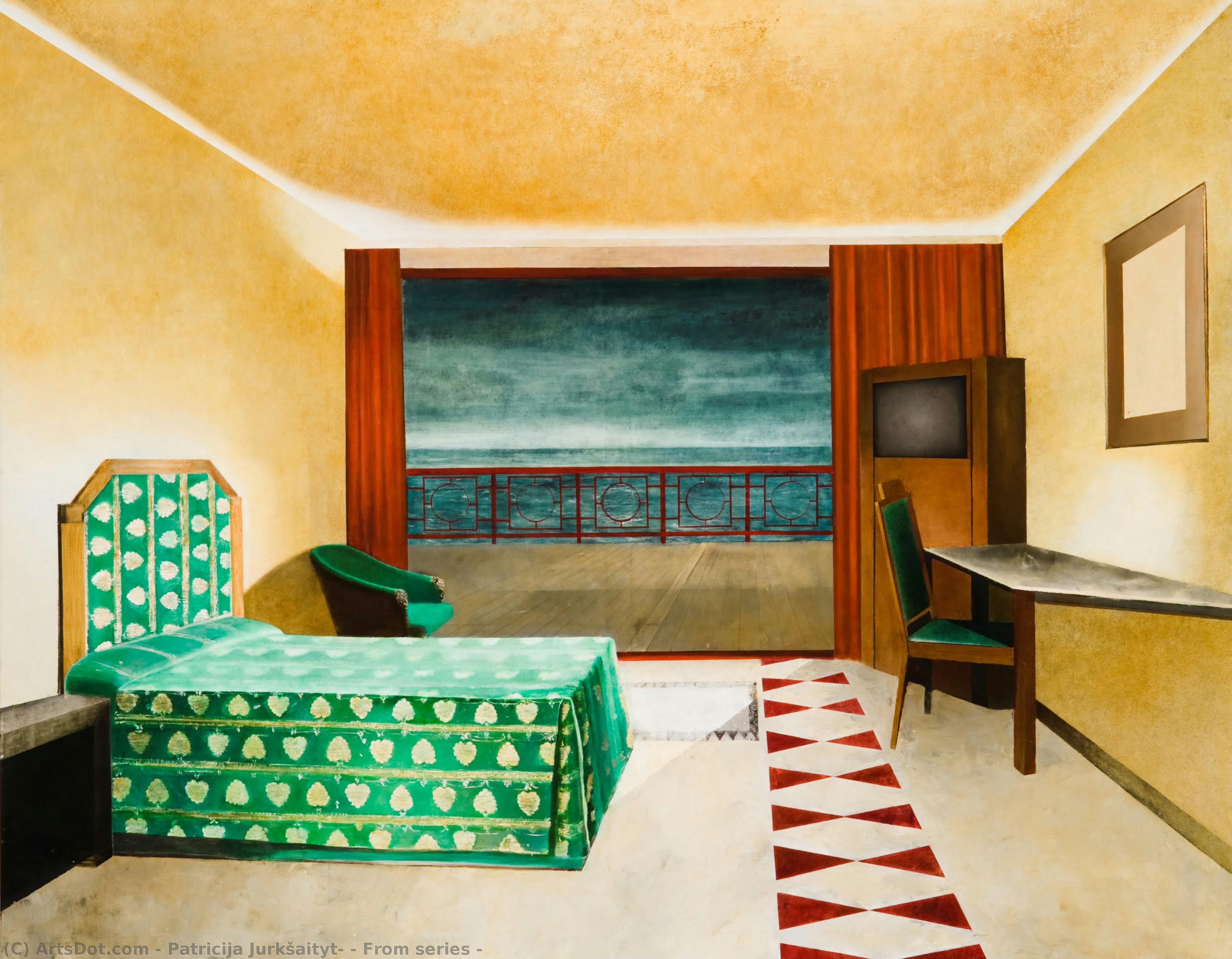
From series
 Oil On Canvas
- WallArt
- Contemporary Realism
 Contemporary
 157.0 x 196.0 cm
 MO Museum / MO muziejus
 Читать далее
Приобретите цифровое изображение высокого разрешения в улучшенном качестве, которое значительно превосходит онлайн-превью.
Каждый файл тщательно подготавливается нашими специалистами с использованием передовых инструментов и экспертной ручной ретуши. Мы гарантируем исключительную четкость, точную цветопередачу и детальную проработку каждого изображения.
Финальный файл доставляется по электронной почте в течение 72 часов и оптимизирован для немедленного использования в профессиональной среде, при верстке и печати. Это тот же уровень качества, которому доверяют ведущие дизайнерские студии, издательства и галереи.
Цифровое изображение
Скачайте файл высокого разрешения для личного использования, печати и творческих проектов. ( Перейти к печати Купить картину ручной работы)
Включено в каждый заказ цифровых изображений
Гарантия экспертной цифровой доставки
Выбирая ArtsDot.com, вы получаете не просто изображение — вы приобретаете профессионально обработанное цифровое произведение искусства, созданное с безупречной точностью и под защитой гарантии качества. Вот всё, что автоматически входит в ваш заказ:

Мгновенная доставка по e-mail
Ваш цифровой файл в высоком разрешении будет отправлен вам по электронной почте в течение 72 часов после оформления заказа — и сразу станет доступен для использования.

Цифровой файл с ИИ-улучшением
Ваше произведение искусства проходит профессиональную оптимизацию с использованием передовых инструментов ИИ и ручной обработки, что гарантирует максимальную детализацию, четкость и точность цветопередачи.

Бессрочная бесплатная повторная доставка
Случайно удалили или потеряли файл? Не беспокойтесь — мы отправим его вам повторно в любое время и совершенно бесплатно.

Без импортных пошлин — навсегда
Наслаждайтесь вашим произведением искусства мгновенно без таможенных пошлин, сборов или затрат на доставку — цифровые загрузки всегда не облагаются налогом.

Гарантия точности цветопередачи
Мы гарантируем, что ваше цифровое изображение максимально точно передает оригинальные цвета благодаря использованию профессиональных инструментов и систем управления цветом.

Гарантия удовлетворенности 100 дней
Если вы не будете удовлетворены своим цифровым изображением, мы внесем правки или вернем 100% стоимости в течение 100 дней — без лишних вопросов.

100% Гарантия возврата средств
Не удовлетворены покупкой? Получите полный возврат средств в течение 100 дней после получения цифрового файла — без лишних вопросов.

Скидки на оптовые заказы
Купите 3 изображения, сэкономьте 10% — Купите 5, сэкономьте 15% — Купите 10+, сэкономьте 20%. Отличное решение для творческих проектов, галерей и агентств.
Похожие произведения
Биография художника
Robert Rauschenberg: A Life in Flux and Fusion
Born Milton Ernest Rauschenberg in Port Arthur, Texas, on October 22, 1925, Robert Rauschenberg’s artistic journey was one of constant experimentation and a deliberate blurring of boundaries. His early life, shaped by a fundamentalist Christian upbringing and the influence of his artist mother, provided a grounding that would later inform his unconventional approach to art-making. Rauschenberg's initial studies at the University of Texas at Austin were interrupted by World War II service as an aviation mechanic, an experience that instilled in him a deep appreciation for the materiality of objects and the realities of everyday life – themes he would repeatedly revisit throughout his career.
Early influences included the work of Marcel Duchamp, whose “readymades” challenged traditional notions of art and authorship. Rauschenberg’s own breakthrough came with the emergence of Assemblage in the late 1950s. Rejecting the purely abstract tendencies of Abstract Expressionism, he began incorporating found objects – scraps of fabric, photographs, newspaper clippings, even discarded toys – directly into his paintings. These “Combines,” as they became known, were not simply collages; they were complex, layered constructions that questioned the very definition of painting and sculpture. Works like *Monogram* (1955), a painting featuring a tire and a dictionary page, demonstrated this radical shift, presenting an object within a painted context while simultaneously acknowledging its inherent materiality.
The Rise of the Combine
Rauschenberg’s Combines represent a pivotal moment in 20th-century art. He moved beyond simply juxtaposing objects; he actively engaged with their histories and meanings, often incorporating photographs that documented the origins of these found materials. This process of indexing – tracing the provenance of an object – became a defining characteristic of his work. The series demonstrated a fascination with the intersection of high and low culture, challenging the established hierarchies within the art world. The 1960s saw Rauschenberg pushing this concept further, creating works that incorporated elements of performance and chance, exemplified by *Canyon* (1959), a painting based on a photograph of James Canyon in Zion National Park. This piece highlighted the artist’s interest in capturing fleeting moments and the inherent unpredictability of the natural world.
Autobiography: A Monumental Reflection
In 1968, Rauschenberg created *Autobiography*, a monumental print that stands as perhaps his most ambitious work. Commissioned by Marion Javits, wife of Senator Jacob Javits, it was intended to be a comprehensive overview of the artist’s life and career. Printed on three sheets of paper using a billboard press – an industrial printing method typically used for advertising – *Autobiography* is a complex montage of images, text, and found objects. The print incorporates photographs of Rauschenberg himself, alongside references to his personal history, places of significance, and recurring motifs like umbrellas and wheels. The sheer scale of the work—over sixteen feet tall—and its unconventional composition demanded attention, forcing viewers to confront the totality of the artist’s creative output.
Beyond the Combine: Printmaking and Late Works
While the Combines remain Rauschenberg's most iconic contribution to art history, his artistic practice extended far beyond this singular approach. He became a prolific printmaker, experimenting with various techniques including lithography, screen printing, and woodcut. His prints often retained the same conceptual concerns as his paintings – exploring themes of identity, memory, and the relationship between image and reality. In his later years, Rauschenberg continued to innovate, working in tapestry and incorporating elements of architecture into his installations. He remained committed to pushing the boundaries of art-making until his death on May 12, 2008, at the age of 82, leaving behind a vast and influential body of work that continues to challenge and inspire artists today.
Legacy and Influence
Robert Rauschenberg’s impact on contemporary art is undeniable. He liberated painting from its traditional confines, embracing the possibilities of collage, assemblage, and found objects. His willingness to experiment with materials and processes paved the way for subsequent generations of artists who sought to blur the boundaries between disciplines. His emphasis on conceptual thinking—the idea behind the artwork often being as important as its physical form—influenced a wide range of artistic practices. Rauschenberg’s legacy extends beyond his individual works; it resides in his spirit of experimentation, his commitment to challenging conventions, and his profound belief in the transformative power of art.
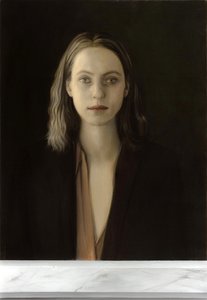
patricija jurkšaitytė
1968 - , Lithuania
Основные сведения
- Artistic Movement Or Style:
- Assemblage
- Pop Art
- Neo-Dada
- Artists Or Movements Influenced By This Artist:
- Andy Warhol
- Conceptual Art
- Artists Who Influenced This Artist:
- Picasso
- Pollock
- Jasper Johns
- Date Of Birth: October 22, 1925
- Date Of Death: May 12, 2008
- Full Name: Robert Rauschenberg
- Nationality: American
- Notable Artworks:
- Monogram
- Canyon
- Autobiography
- Place Of Birth: Port Arthur, Texas