 Предпросмотр
 Поделиться
 Поделиться
 Детали произведения

 Скачать
 Похожие работы
 Рентгенография
 Слайд-шоу
 Статистика
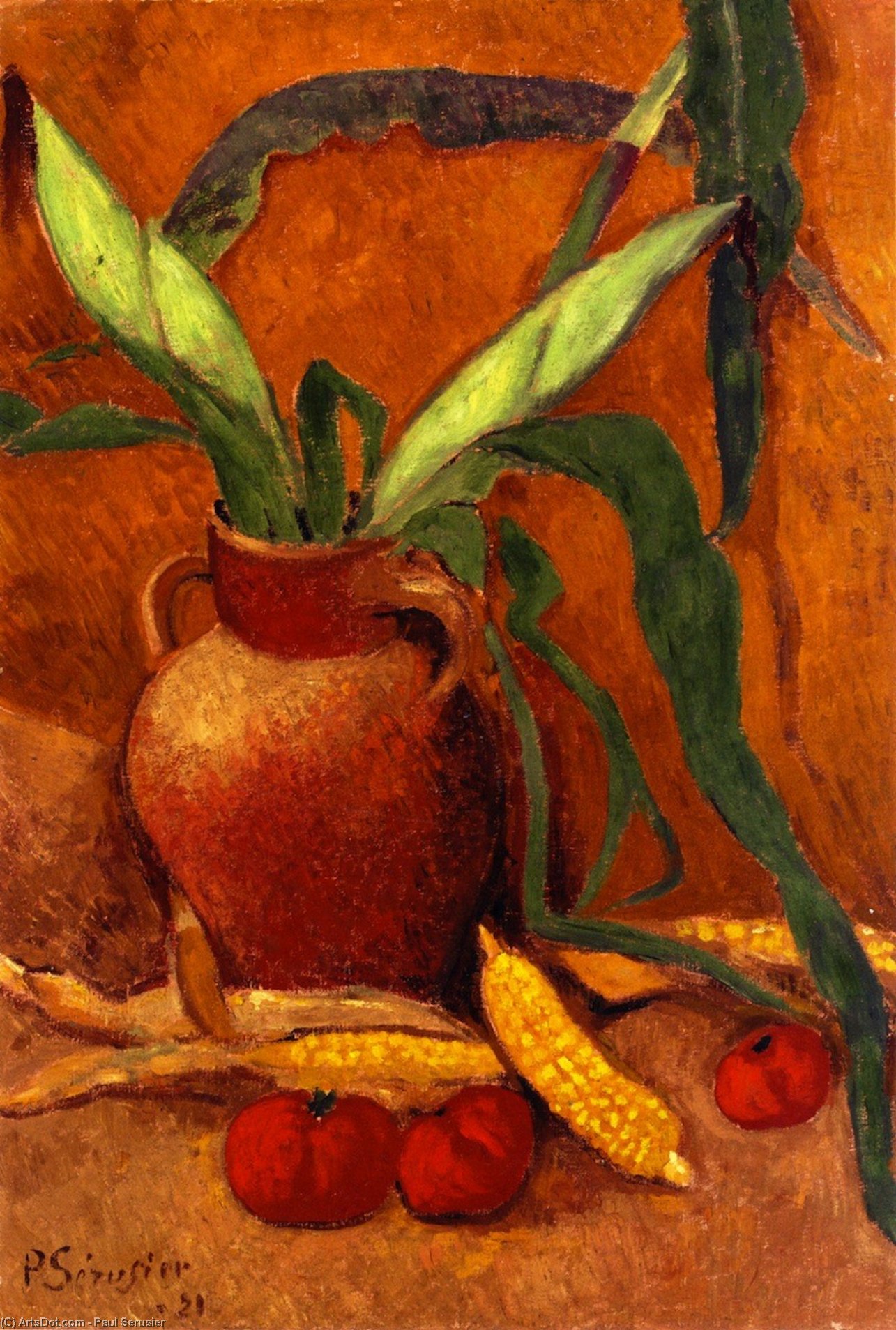
Still Life with Corn and Tomatoes


 Читать далее
Жикле / Арт-принт
Печать (жикле) или холст музейного качества с быстрыми сроками изготовления и широким выбором вариантов отделки. ( Купить картину ручной работы Перейти к цифровым изображениям)




P118B $10

P118H $10

P118W $10

P438Z $10

P508JH $12

P508YH $12

P805H $10

P805Z $10

P919BZ $10

P919G $10

P919XJ $10

P959ZH $10

P968JZ $12

W106C $8

W218G $10

W218JH $8

W218Y $10

W307PJ $10

W316G $10

W316PJ $8

W316Y $10

W398PJ $8

W4111J $10

W500HY $15

W500JH $15

W692G $12

W849H $8

W940BG $15

W953PJ $8




Выберите один из наших стандартных размеров, соответствующих оригинальным пропорциям произведения искусства.

Вы можете указать свои собственные размеры, чтобы репродукция идеально подошла под конкретную раму или пространство. Если выбранный вами размер не будет соответствовать пропорциям оригинала, мы либо обрежем произведение, либо дополним изображение зеркальным отражением краев или однотонной заливкой. Перед началом производства вам будет отправлен цифровой макет для утверждения.
Пожалуйста, обратите внимание, что предварительный просмотр на экране не отображает фактическую обрезку или расширение изображения. Только макет точно покажет финальную композицию.
Несмотря на возможность заказа индивидуальных размеров, мы рекомендуем выбирать размер из предопределенного списка, чтобы сохранить оригинальные пропорции.
Доставка по всему миру () за 2 недели вместо стандартных 4/5 недель. (11 Сентябрь)

Бесплатная экспресс-доставка по всему миру

Высококачественный льняной холст

Полное страхование доставки

Гарантия возмещения таможенных пошлин

Гарантия точного соответствия цветов

100-дневная политика возврата (только при обнаружении дефектов)

Гарантия возврата 100% средств

Предложение оптовых скидок
 Вариант со стеклом доступен только для размеров менее 110 см

Still Life with Corn and Tomatoes
Жикле / Арт-принт
Размер репродукции
-


Итоговая стоимость
$ 62
A Symphony of Color and Form: Rediscovering Paul Sérusier
In the vibrant tapestry of early twentieth-century modernism, few works capture the rhythmic pulse of Post-Impressionist vitality quite like Paul Sérusier’s "Still Life with Corn and Tomatoes." Painted in 1921, this masterpiece serves as a window into a period where the boundaries of representation were being joyfully dismantled. Sérusier, a pivotal figure in the Nabis movement, invites the viewer into a domestic scene that transcends mere observation. Through his expert command of color and shape, the mundane becomes monumental; a simple arrangement of corn, tomatoes, and flora is elevated to a profound exploration of light, texture, and geometric harmony.
The composition is anchored by a striking red vase, which acts as the heart of the painting, drawing the eye inward before allowing it to wander through the lush, bountiful landscape of the tabletop. The artist employs a technique that echoes his roots in Synthetism and Cloisonnism, utilizing bold, saturated hues and defined outlines to create a sense of structural integrity. As one observes the interplay between the deep reds of the tomatoes and the golden, textured kernels of the corn, there is a palpable sense of energy—a visual music that resonates with the warmth of a sun-drenched afternoon.
The Intersection of Tradition and Modernity
To understand this work is to understand the evolution of the avant-garde. Sérusier’s journey, which famously began under the mentorship of Paul Gauguin, led him toward an aesthetic that embraced the abstract potential of the canvas. In "Still Life with Corn and Tomatoes," we see the mature synthesis of these influences. The painting does not merely depict objects; it deconstructs them into a series of balanced forms. The use of geometric shapes introduces a subtle nod to the burgeoning Cubist movement, lending the piece a sophisticated, modern edge that remains timeless.
For the discerning collector or interior designer, this artwork offers more than just visual beauty; it provides a focal point of intellectual and emotional depth. The arrangement—featuring a potted plant to the periphery and a carefully balanced distribution of fruit—creates a sense of stability and peace, making it an ideal centerpiece for spaces that value both elegance and character. Whether placed in a contemporary gallery setting or a classic study, the painting’s rich textures and vibrant palette command attention, evoking a sense of nostalgia for the golden age of French painting while maintaining a strikingly modern presence.
Investing in a high-quality reproduction of this work allows one to bring the spirit of 1920s Paris into the modern home. It is an invitation to celebrate the beauty found in the everyday, captured through the eyes of a master who saw the infinite complexity within a single tomato or a stalk of corn. This piece remains a testament to the enduring power of Post-Impressionism to inspire awe, contemplation, and a renewed appreciation for the harmony of the natural world.
Похожие произведения
Биография художника
Paul Sérusier: Pioneer of Abstraction and the Nabis Movement
Paul Sérusier, born in Paris on November 9th, 1864, and passing away on October 7th, 1927, stands as a pivotal figure in the evolution of modern art. More than simply a painter, he was a visionary who profoundly influenced the trajectory of abstract expressionism and laid the groundwork for the Nabis movement – a group that sought to redefine the very essence of painting. His early life, steeped in Parisian culture and artistic education, provided the fertile ground from which his revolutionary ideas blossomed.
Sérusier’s formal training began at the Académie Julian, an institution known for its progressive approach to art education, offering a more open-ended environment than the rigid structure of the École des Beaux-Arts. This allowed him to explore diverse styles and techniques, ultimately shaping his unique artistic vision. Crucially, he spent a summer in 1888 at Pont-Aven, a small village nestled in Brittany, where he encountered a vibrant community of artists – Paul Gauguin, Édouard Vuillard, Pierre Bonnard, and Maurice Denis – who would become his closest collaborators and intellectual peers. It was during this period that Sérusier’s artistic philosophy began to take shape, moving away from traditional representational techniques towards a more subjective and evocative approach.
The Cloisonnism Experiment and the Birth of Abstraction
The summer at Pont-Aven proved transformative for Sérusier. Under Gauguin's guidance, he embarked on an ambitious project: “Bois d’Amour” (The Lovers’ Wood), a painting that would become synonymous with cloisonnism – a technique pioneered by Gauguin and later embraced by Sérusier. Cloisonnism involved creating flat planes of color separated by bold black outlines, resembling the individual cells of a stained-glass window. This radical departure from traditional perspective and shading resulted in an image that was almost entirely devoid of recognizable forms, pushing the boundaries of representation towards pure abstraction. “Bois d’Amour” wasn't merely a painting; it was an experiment – a deliberate attempt to strip away illusion and capture the essence of perception through color and line.
Sérusier’s exploration of cloisonnism didn’t end with "The Talisman," another significant work from 1894, also created at Pont-Aven. He continued to refine this technique, using it as a springboard for further experimentation with form and color. His paintings during this period are characterized by flattened planes, simplified shapes, and a vibrant palette – a deliberate rejection of academic conventions in favor of a more personal and expressive style.
The Nabis: A Collective Pursuit of Spiritual Expression
Sérusier’s artistic journey culminated in his involvement with the Nabis (meaning “prophets”), a small group of artists who formed around Paul Gauguin in the early 1890s. The Nabis sought to create a new form of art that combined decorative elements with profound spiritual and emotional content. They rejected the prevailing trends of Impressionism and Post-Impressionism, aiming instead for a synthesis of color, line, and symbolism. Sérusier played a crucial role in shaping the group’s aesthetic principles, advocating for the use of bold colors, simplified forms, and evocative imagery.
The Nabis' work was deeply influenced by Symbolism, a literary and artistic movement that explored themes of mysticism, dreams, and the subconscious. They believed that art should not merely imitate reality but rather convey deeper truths about the human condition. Sérusier’s paintings often reflected this spiritual dimension, imbued with a sense of melancholy, introspection, and longing.
Notable Works and Lasting Legacy
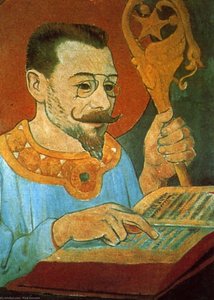
Sérusier's artistic output includes several key works that exemplify his innovative approach to painting. “L’Averse” (The Shower), painted in 1893, showcases his mastery of color and composition. His portrait of Paul Ranson, completed in 1890, is a testament to his ability to capture the essence of his subject through subtle gestures and expressive brushstrokes. "Melancholy," created in 1890, embodies the group's exploration of emotional depth. “The Snake Eaters,” painted in 1894, demonstrates his continued experimentation with abstraction and symbolism.
Beyond his individual achievements, Sérusier’s legacy extends far beyond his own paintings. He was a key figure in the development of abstract art, inspiring generations of artists to explore new ways of seeing and representing the world. His influence can be seen in the work of many prominent modernists, including Matisse, Kandinsky, and Nolde. Sérusier’s dedication to exploring the expressive potential of color and line paved the way for a radical shift in artistic thinking, solidifying his place as one of the most important figures in the history of art.
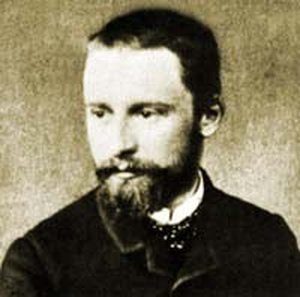
Пауль Сёрюзэр
1864 - 1927 , Франция
Основные сведения
- Вдохновленные Художники/Движения: ['Набисты']
- Влиявшие Художники:
- Пол Гюген
- Морис Денё
- Гражданство: Француз
- Дата Рождения: 9 ноября 1864 г.
- Дата Смерти: 7 октября 1927 г.
- Известные Работы:
- La Talisman
- L'aversé
- Место Рождения: Париж, Франция
- Полное Имя: Луи-Поль-Энри Серузёр
- Художественный Стиль: Пост-импрессионизм
Похожие статьи

Топ-10 шедевров импрессионизма: искусство мгновения для вашего интерьера
Погрузитесь в мир импрессионизма! Откройте для себя 10 шедевров Моне, Ренуара и других великих мастеров. Узнайте историю создания культовых картин и вдохновитесь для декора интерьера. Репродукции музейного качества на ArtsDot.com.
10 Шедевров Постимпрессионизма, Определивших Эпоху | ArtsDot.com
Погрузитесь в мир постимпрессионизма! Откройте 10 шедевров Ван Гога, Моне, Сезанна и других великих художников. История искусства, техники живописи и вдохновение для вашего интерьера на ArtsDot.com. Изысканные репродукции картин ждут вас!

25 Шедевров Поля Сезанна: Открывая Новую Эру в Искусстве | ArtsDot
Откройте для себя 25 величайших шедевров Поля Сезанна! Узнайте истории создания картин импрессионизма и постимпрессионизма, технику художника и вдохновение для вашего интерьера. Репродукции картин Сезанна высокого качества на ArtsDot.com.
Beyond Impressionism: Exploring the Emotional Depth of Post-Impressionist Painting
Explore the profound emotional depth & innovative techniques of Post-Impressionism with ArtsDot. Discover Cézanne, Van Gogh, Gauguin & more – and their lasting impact on modern art.
Пауль Клее: Топ-25 шедевров гения цвета и формы | ArtsDot
Погрузитесь в мир Пауля Клее! Топ-25 шедевров экспрессионизма и абстрактного искусства. Узнайте истории создания знаменитых картин, технику художника и вдохновитесь для интерьера. Репродукции музейного качества на ArtsDot.com.