

![La Verdadera Patria De Miguel De Cervantes (miguel De Cervantes’s True Homeland) (biblioteca Nacional De España)\n\n[4][fol.1] — Pedro José García Balboa](/media-resize/960/artworks/images-full/fa/e7/fae7a8f523f4766aefea1a3e947558cc.jpg.webp)
 Предпросмотр
 Поделиться
 Поделиться
 Детали произведения

 Скачать
 Похожие работы
 Рентгенография
 Слайд-шоу
 Статистика
La verdadera patria de Miguel de Cervantes (Miguel de Cervantes’s true homeland) (Biblioteca Nacional de España)\n\n[4][fol.1]
 Acrylic On Canvas
- WallArt
- Baroque Rococo Revival
 1761
1761 31.0 x 22.0 cm
 Acción Cultural Española
 Читать далее
Приобретите цифровое изображение высокого разрешения в улучшенном качестве, которое значительно превосходит онлайн-превью.
Каждый файл тщательно подготавливается нашими специалистами с использованием передовых инструментов и экспертной ручной ретуши. Мы гарантируем исключительную четкость, точную цветопередачу и детальную проработку каждого изображения.
Финальный файл доставляется по электронной почте в течение 72 часов и оптимизирован для немедленного использования в профессиональной среде, при верстке и печати. Это тот же уровень качества, которому доверяют ведущие дизайнерские студии, издательства и галереи.
Цифровое изображение
Скачайте файл высокого разрешения для личного использования, печати и творческих проектов. ( Перейти к печати Купить картину ручной работы)
Включено в каждый заказ цифровых изображений
Гарантия экспертной цифровой доставки
Выбирая ArtsDot.com, вы получаете не просто изображение — вы приобретаете профессионально обработанное цифровое произведение искусства, созданное с безупречной точностью и под защитой гарантии качества. Вот всё, что автоматически входит в ваш заказ:

Мгновенная доставка по e-mail
Ваш цифровой файл в высоком разрешении будет отправлен вам по электронной почте в течение 72 часов после оформления заказа — и сразу станет доступен для использования.

Цифровой файл с ИИ-улучшением
Ваше произведение искусства проходит профессиональную оптимизацию с использованием передовых инструментов ИИ и ручной обработки, что гарантирует максимальную детализацию, четкость и точность цветопередачи.

Бессрочная бесплатная повторная доставка
Случайно удалили или потеряли файл? Не беспокойтесь — мы отправим его вам повторно в любое время и совершенно бесплатно.

Без импортных пошлин — навсегда
Наслаждайтесь вашим произведением искусства мгновенно без таможенных пошлин, сборов или затрат на доставку — цифровые загрузки всегда не облагаются налогом.

Гарантия точности цветопередачи
Мы гарантируем, что ваше цифровое изображение максимально точно передает оригинальные цвета благодаря использованию профессиональных инструментов и систем управления цветом.

Гарантия удовлетворенности 100 дней
Если вы не будете удовлетворены своим цифровым изображением, мы внесем правки или вернем 100% стоимости в течение 100 дней — без лишних вопросов.

100% Гарантия возврата средств
Не удовлетворены покупкой? Получите полный возврат средств в течение 100 дней после получения цифрового файла — без лишних вопросов.

Скидки на оптовые заказы
Купите 3 изображения, сэкономьте 10% — Купите 5, сэкономьте 15% — Купите 10+, сэкономьте 20%. Отличное решение для творческих проектов, галерей и агентств.
Unveiling Cervantes’s Roots: A Chronicle in Ink
A Testament to Methodical Inquiry
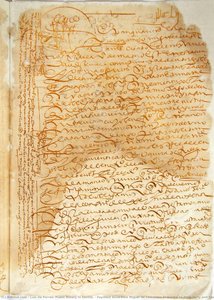
The composition is dominated by an open book, its pages filled with elegant cursive script – a visual echo of the meticulous research that led to Cervantes’s confirmed birthdate of 9 October 1547. The seal prominently displayed at the top of the page speaks volumes about the importance placed on this revelation; it represents authentication and the validation of years of speculation. Balboa skillfully employs chiaroscuro, using light and shadow to draw attention to the text and the seal, creating a dramatic focal point that underscores the significance of the discovery. The book’s aged appearance – suggesting parchment and ink – immediately transports the viewer back in time, grounding the narrative firmly within its historical context. The artist's deliberate choice of materials and techniques speaks to a reverence for tradition and a deep understanding of the visual language of scholarly documentation.Symbolism of Origin and Legacy
The painting’s subject matter is intrinsically linked to the broader intellectual currents of the time. The search for Cervantes’s origins was not merely an academic exercise; it reflected a growing interest in genealogy, personal identity, and the role of place in shaping human experience – themes central to Enlightenment thought. The reference to Juan Iriarte's 1748 discovery within the list of released captives is crucial. This document served as the catalyst for a systematic investigation into Alcalá de Henares’s baptism records, highlighting the power of archival research and the serendipitous nature of historical revelation. The image subtly celebrates the triumph of reason over conjecture, illustrating how careful observation and diligent inquiry can ultimately illuminate even the most obscured corners of the past.Balboa's Artistic Context & Technique
Pedro José García Balboa (1695-1772), a Benedictine monk and scholar, was deeply immersed in the intellectual landscape of his era. His work reflects the influence of the Enlightenment’s emphasis on empirical observation and rational inquiry. Balboa’s technical skill is evident in his precise rendering of detail – from the delicate script to the texture of the aged paper – demonstrating a mastery of draughtsmanship and an understanding of how to convey both factual information and emotional resonance through visual means. This piece exemplifies the Rococo style's emphasis on elegance, clarity, and detailed representation, characteristics that were highly valued within the artistic circles of 18th-century Spain.Похожие произведения
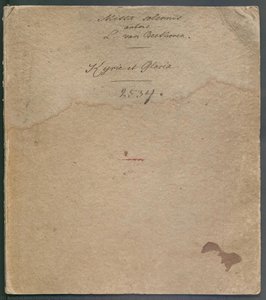
![Autograph Statement Requesting That The Guarantee Provided Be Considered Sufficient (biblioteca Nacional De España)\n\n[page 1] — Cervantes Saavedra, Miguel](/media/artworks/images-thumb/be/4d/be4d8356b5c62cf26a2aac9cd48fa43b.jpg)
![Spanish Landscape, Toledo [paisaije Español, Toledo] — Диего Родригес Де Сильва, Cubism](/media/artworks/images-thumb/67/22/67223cfb67a3e879b8599832c8849094.jpg)
Биография художника
early life and education
pedro josé garcía balboa, also known as martín sarmiento or martiño sarmiento, was born on march 9, 1695, in villafranca del bierzo, el bierzo, spain. this spanish scholar, writer, and benedictine monk would go on to become an illustrious representative of the enlightenment.contributions and works
throughout his life, garcía balboa wrote on a wide variety of subjects, including:- literature: his writings showcased his mastery of the literary arts.
- medicine: garcía balboa's medical writings demonstrate his deep understanding of the subject.
- botany: his botanical studies reveal a keen interest in the natural world.
- ethnography, history, theology, and linguistics: these areas of study further solidify his reputation as a polymath.
artistic legacy
although primarily known for his written works, garcía balboa's influence can be seen in the artistic community. his contributions to the enlightenment have inspired numerous artists, including those featured at https://ArtsDot.com, such as:- diego velazquez: a renowned artist with works like francisco de quevedo (baroque, oil), showcased on ArtsDot.
- joseph chinard: a sculptor with notable works like juliette récamier (back) (museum of fine arts, lyon, france, marble).
- josé aguiar garcía: an artist with pieces such as portrait of don miguel de unamuno (244 x 168 cm, casa museo unamuno, salamanca, spain, oil on canvas).
museums and collections
garcía balboa's work can be found in various institutions, including:- the adalbert-stifter-institut des landes österreich (austria) museum: a museum dedicated to the life and work of adalbert stifter.
- radishchev art museum russia: a renowned institution housing an extensive collection of russian artworks.
conclusion
pedro josé garcía balboa, a true renaissance man, left an indelible mark on the world. his contributions to the enlightenment continue to inspire artists and scholars alike, with his legacy living on through the numerous institutions and artistic works that bear his influence. explore more of his world and the art he inspired at https://ArtsDot.com.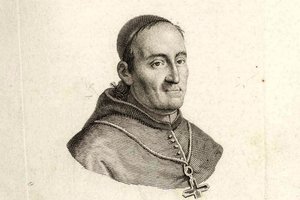
pedro josé garcía balboa
1695 - 1772 , Spain
Основные сведения
- Artistic Movement Or Style: Fêtes galantes
- Artists Or Movements Influenced By This Artist: ['Carriera']
- Artists Who Influenced This Artist: ['Watteau']
- Date Of Birth: 1695
- Date Of Death: 1736
- Full Name: Jean-Baptiste Pater
- Nationality: French
- Notable Artworks:
- Bacchus and Ceres in the Clouds
- Portrait of a Lady
- Place Of Birth: Valenciennes, France