


 Предпросмотр
 Поделиться
 Поделиться
 Детали произведения

 Скачать
 Похожие работы
 Рентгенография
 Слайд-шоу
 Статистика
St Francis of Assisi


 Читать далее
Приобретите цифровое изображение высокого разрешения в улучшенном качестве, которое значительно превосходит онлайн-превью.
Каждый файл тщательно подготавливается нашими специалистами с использованием передовых инструментов и экспертной ручной ретуши. Мы гарантируем исключительную четкость, точную цветопередачу и детальную проработку каждого изображения.
Финальный файл доставляется по электронной почте в течение 72 часов и оптимизирован для немедленного использования в профессиональной среде, при верстке и печати. Это тот же уровень качества, которому доверяют ведущие дизайнерские студии, издательства и галереи.
Цифровое изображение
Скачайте файл высокого разрешения для личного использования, печати и творческих проектов. ( Перейти к печати Купить картину ручной работы)
Включено в каждый заказ цифровых изображений
Гарантия экспертной цифровой доставки
Выбирая ArtsDot.com, вы получаете не просто изображение — вы приобретаете профессионально обработанное цифровое произведение искусства, созданное с безупречной точностью и под защитой гарантии качества. Вот всё, что автоматически входит в ваш заказ:

Мгновенная доставка по e-mail
Ваш цифровой файл в высоком разрешении будет отправлен вам по электронной почте в течение 72 часов после оформления заказа — и сразу станет доступен для использования.

Цифровой файл с ИИ-улучшением
Ваше произведение искусства проходит профессиональную оптимизацию с использованием передовых инструментов ИИ и ручной обработки, что гарантирует максимальную детализацию, четкость и точность цветопередачи.

Бессрочная бесплатная повторная доставка
Случайно удалили или потеряли файл? Не беспокойтесь — мы отправим его вам повторно в любое время и совершенно бесплатно.

Без импортных пошлин — навсегда
Наслаждайтесь вашим произведением искусства мгновенно без таможенных пошлин, сборов или затрат на доставку — цифровые загрузки всегда не облагаются налогом.

Гарантия точности цветопередачи
Мы гарантируем, что ваше цифровое изображение максимально точно передает оригинальные цвета благодаря использованию профессиональных инструментов и систем управления цветом.

Гарантия удовлетворенности 100 дней
Если вы не будете удовлетворены своим цифровым изображением, мы внесем правки или вернем 100% стоимости в течение 100 дней — без лишних вопросов.

100% Гарантия возврата средств
Не удовлетворены покупкой? Получите полный возврат средств в течение 100 дней после получения цифрового файла — без лишних вопросов.

Скидки на оптовые заказы
Купите 3 изображения, сэкономьте 10% — Купите 5, сэкономьте 15% — Купите 10+, сэкономьте 20%. Отличное решение для творческих проектов, галерей и агентств.
Похожие произведения
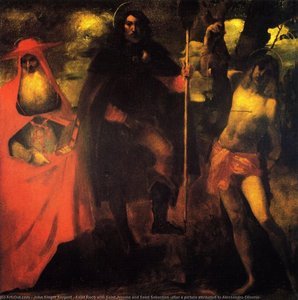
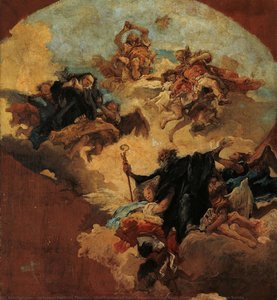
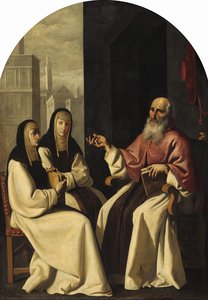
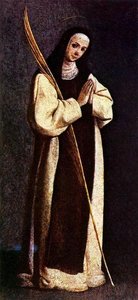
Биография художника
Rembrandt Harmenszoon van Rijn: A Master of Light and Emotion
Rembrandt Harmenszoon van Rijn, a name synonymous with artistic genius in the Netherlands, remains one of history’s most profoundly influential painters. Born in Leiden on July 15, 1606, into a family involved in picture framing and dealing, Rembrandt's journey from a modest upbringing to becoming a celebrated master is a testament to his extraordinary talent and relentless pursuit of artistic excellence. Though he died prematurely in Amsterdam on October 4, 1669, at the age of 63, his legacy continues to resonate through centuries of art, profoundly impacting generations of artists with his innovative techniques, emotional depth, and masterful command of light and shadow.
Rembrandt’s early artistic education remains somewhat shrouded in mystery. While he likely received instruction from his father, Isaac van Rijn, a skilled craftsman and painter, the precise details of his training are not fully documented. He apprenticed under Jacob Savery, a Haarlem-based portraitist, gaining foundational skills but quickly surpassing his teacher’s style. It was during this period that Rembrandt began to develop his distinctive approach – one characterized by an intense focus on capturing human emotion and psychological states rather than merely replicating appearances.
Early Career and Portraiture
Rembrandt initially established himself as a portrait painter in Leiden, quickly gaining recognition for his ability to portray subjects with remarkable realism and sensitivity. His early portraits, such as those of the Van Ruytenburch family, demonstrate a burgeoning talent for capturing not just physical likeness but also the inner lives of his sitters. He skillfully employed dramatic lighting – a technique he would later masterfully refine – to create mood and highlight key features, drawing viewers into the emotional core of each portrait. This period saw him producing works like *The Storm on the Sea of Galilee* (1633), a powerful depiction of faith and human vulnerability, showcasing his burgeoning compositional skills and dramatic use of light.
Transition and Innovation: The ‘Darker’ Period
As Rembrandt matured, his artistic style underwent a significant transformation. Around 1640, he began to experiment with darker palettes and more complex compositions, moving away from the brighter, more idealized styles prevalent at the time. This shift is often referred to as his “darker” period, though it’s crucial to recognize that this wasn't a decline but rather an evolution—a deliberate exploration of new artistic possibilities. Works like *The Night Watch* (1642), commissioned by the Amsterdam civic militia, exemplify this change. The painting is not simply a depiction of a military group; it’s a dynamic, theatrical scene brimming with energy and psychological depth, utilizing dramatic chiaroscuro to create a sense of immediacy and movement.
Self-Portraits: A Window into the Soul
Throughout his career, Rembrandt produced an astonishing number of self-portraits – over 60 in total. These works offer an unparalleled glimpse into the artist’s evolving appearance, moods, and psychological state. From the youthful exuberance of his early self-portraits to the weathered wisdom of his later years, each painting reveals a new facet of Rembrandt's personality. The *Self-Portrait with Two Circles* (1665), for example, is not just a depiction of the artist’s face; it’s an exploration of artistic technique and the challenges of capturing perfect circles on canvas – a poignant meditation on the nature of art itself.
Legacy and Influence
Rembrandt's impact on the history of art is immeasurable. His innovative use of light, his profound understanding of human psychology, and his willingness to experiment with new techniques paved the way for future generations of artists. He influenced painters across Europe, from Francisco Goya to Eugène Delacroix, and continues to inspire artists today. His works are celebrated in museums worldwide, and his legacy as one of the greatest masters of all time remains firmly established. Beyond his artistic achievements, Rembrandt’s life itself—marked by both extraordinary success and personal hardship—serves as a powerful testament to the enduring spirit of creativity and resilience.
Further Resources:
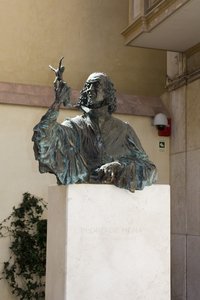
pedro mena y medrano (pedro de mena)
1628 - 1688 , Spain
Основные сведения
- Artistic Movement Or Style: Classical Dutch landscape
- Artists Or Movements Influenced By This Artist:
- Gainsborough
- Constable
- Barbizon School
- Artists Who Influenced This Artist:
- Isaac van Ruisdael
- Salomon van Ruysdael
- Date Of Birth: 1628/9?
- Date Of Death: 1682
- Full Name: Jacob van Ruisdael
- Nationality: Dutch
- Notable Artworks:
- The Jewish Cemetery
- Bentheim Castle View
- A Pool Surrounded by Trees
- Place Of Birth: Haarlem, Netherlands