


 Предпросмотр
 Поделиться
 Поделиться
 Детали произведения

 Скачать
 Похожие работы
 Рентгенография
 Слайд-шоу
 Статистика
St Francis of Assisi


 Читать далее
Жикле / Арт-принт
Печать (жикле) или холст музейного качества с быстрыми сроками изготовления и широким выбором вариантов отделки. ( Купить картину ручной работы Перейти к цифровым изображениям)




































Выберите один из наших стандартных размеров, соответствующих оригинальным пропорциям произведения искусства.

Вы можете указать свои собственные размеры, чтобы репродукция идеально подошла под конкретную раму или пространство. Если выбранный вами размер не будет соответствовать пропорциям оригинала, мы либо обрежем произведение, либо дополним изображение зеркальным отражением краев или однотонной заливкой. Перед началом производства вам будет отправлен цифровой макет для утверждения.
Пожалуйста, обратите внимание, что предварительный просмотр на экране не отображает фактическую обрезку или расширение изображения. Только макет точно покажет финальную композицию.
Несмотря на возможность заказа индивидуальных размеров, мы рекомендуем выбирать размер из предопределенного списка, чтобы сохранить оригинальные пропорции.
Доставка по всему миру () за 2 недели вместо стандартных 4/5 недель. (15 Сентябрь)

Бесплатная экспресс-доставка по всему миру

Высококачественный льняной холст

Полное страхование доставки

Гарантия возмещения таможенных пошлин

Гарантия точного соответствия цветов

100-дневная политика возврата (только при обнаружении дефектов)

Гарантия возврата 100% средств

Предложение оптовых скидок
 Вариант со стеклом доступен только для размеров менее 110 см

St Francis of Assisi
Жикле / Арт-принт
Размер репродукции
-


Итоговая стоимость
$ 62
Похожие произведения
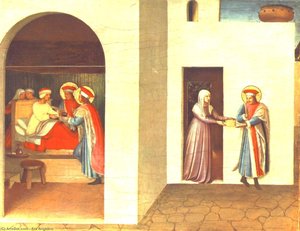
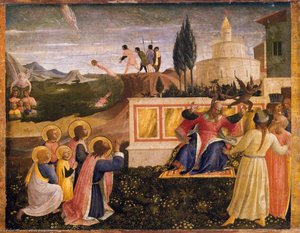
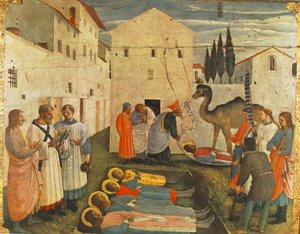
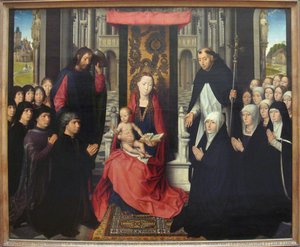
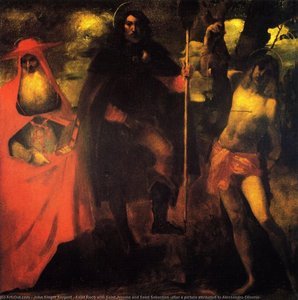
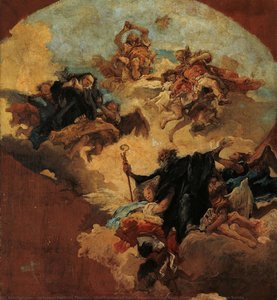
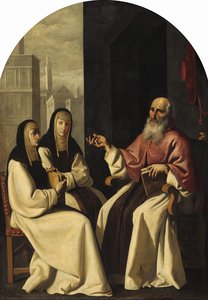
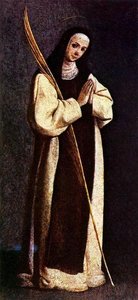
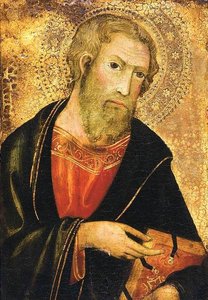
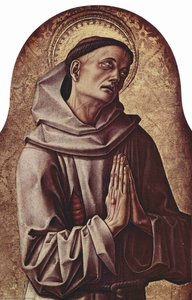
Биография художника
Rembrandt Harmenszoon van Rijn: A Master of Light and Emotion
Rembrandt Harmenszoon van Rijn, a name synonymous with artistic genius in the Netherlands, remains one of history’s most profoundly influential painters. Born in Leiden on July 15, 1606, into a family involved in picture framing and dealing, Rembrandt's journey from a modest upbringing to becoming a celebrated master is a testament to his extraordinary talent and relentless pursuit of artistic excellence. Though he died prematurely in Amsterdam on October 4, 1669, at the age of 63, his legacy continues to resonate through centuries of art, profoundly impacting generations of artists with his innovative techniques, emotional depth, and masterful command of light and shadow.
Rembrandt’s early artistic education remains somewhat shrouded in mystery. While he likely received instruction from his father, Isaac van Rijn, a skilled craftsman and painter, the precise details of his training are not fully documented. He apprenticed under Jacob Savery, a Haarlem-based portraitist, gaining foundational skills but quickly surpassing his teacher’s style. It was during this period that Rembrandt began to develop his distinctive approach – one characterized by an intense focus on capturing human emotion and psychological states rather than merely replicating appearances.
Early Career and Portraiture
Rembrandt initially established himself as a portrait painter in Leiden, quickly gaining recognition for his ability to portray subjects with remarkable realism and sensitivity. His early portraits, such as those of the Van Ruytenburch family, demonstrate a burgeoning talent for capturing not just physical likeness but also the inner lives of his sitters. He skillfully employed dramatic lighting – a technique he would later masterfully refine – to create mood and highlight key features, drawing viewers into the emotional core of each portrait. This period saw him producing works like *The Storm on the Sea of Galilee* (1633), a powerful depiction of faith and human vulnerability, showcasing his burgeoning compositional skills and dramatic use of light.
Transition and Innovation: The ‘Darker’ Period
As Rembrandt matured, his artistic style underwent a significant transformation. Around 1640, he began to experiment with darker palettes and more complex compositions, moving away from the brighter, more idealized styles prevalent at the time. This shift is often referred to as his “darker” period, though it’s crucial to recognize that this wasn't a decline but rather an evolution—a deliberate exploration of new artistic possibilities. Works like *The Night Watch* (1642), commissioned by the Amsterdam civic militia, exemplify this change. The painting is not simply a depiction of a military group; it’s a dynamic, theatrical scene brimming with energy and psychological depth, utilizing dramatic chiaroscuro to create a sense of immediacy and movement.
Self-Portraits: A Window into the Soul
Throughout his career, Rembrandt produced an astonishing number of self-portraits – over 60 in total. These works offer an unparalleled glimpse into the artist’s evolving appearance, moods, and psychological state. From the youthful exuberance of his early self-portraits to the weathered wisdom of his later years, each painting reveals a new facet of Rembrandt's personality. The *Self-Portrait with Two Circles* (1665), for example, is not just a depiction of the artist’s face; it’s an exploration of artistic technique and the challenges of capturing perfect circles on canvas – a poignant meditation on the nature of art itself.
Legacy and Influence
Rembrandt's impact on the history of art is immeasurable. His innovative use of light, his profound understanding of human psychology, and his willingness to experiment with new techniques paved the way for future generations of artists. He influenced painters across Europe, from Francisco Goya to Eugène Delacroix, and continues to inspire artists today. His works are celebrated in museums worldwide, and his legacy as one of the greatest masters of all time remains firmly established. Beyond his artistic achievements, Rembrandt’s life itself—marked by both extraordinary success and personal hardship—serves as a powerful testament to the enduring spirit of creativity and resilience.
Further Resources:
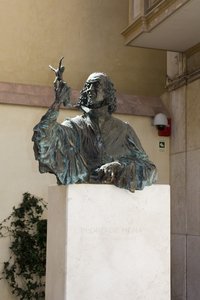
pedro mena y medrano (pedro de mena)
1628 - 1688 , Spain
Основные сведения
- Artistic Movement Or Style: Classical Dutch landscape
- Artists Or Movements Influenced By This Artist:
- Gainsborough
- Constable
- Barbizon School
- Artists Who Influenced This Artist:
- Isaac van Ruisdael
- Salomon van Ruysdael
- Date Of Birth: 1628/9?
- Date Of Death: 1682
- Full Name: Jacob van Ruisdael
- Nationality: Dutch
- Notable Artworks:
- The Jewish Cemetery
- Bentheim Castle View
- A Pool Surrounded by Trees
- Place Of Birth: Haarlem, Netherlands