

 Предпросмотр
 Поделиться
 Поделиться
 Детали произведения

 Скачать
 Похожие работы
 Рентгенография
 Слайд-шоу
 Статистика
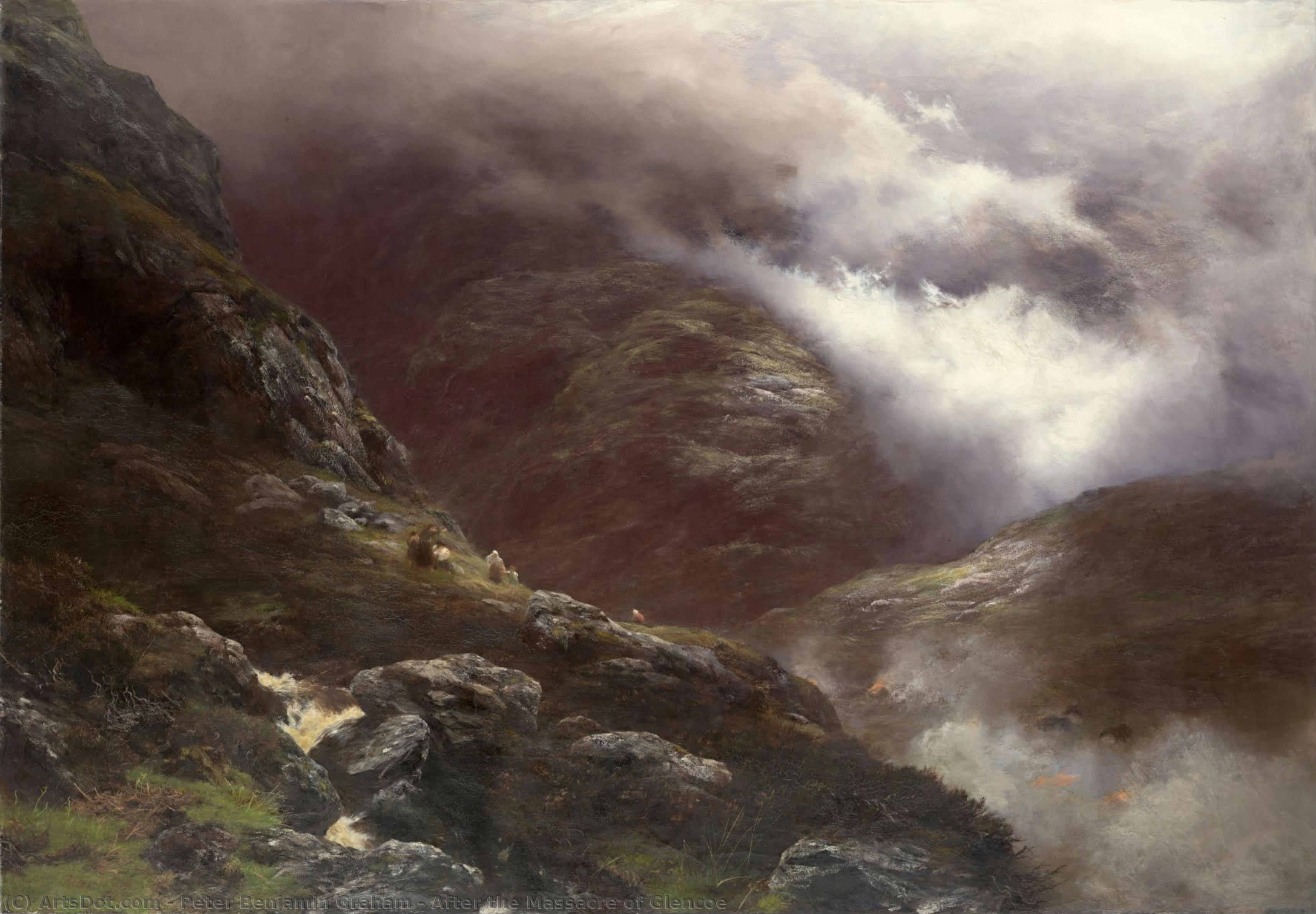
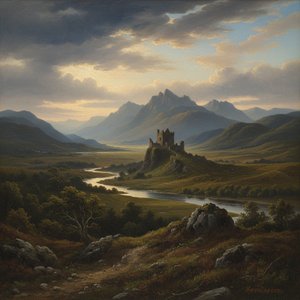
After the Massacre of Glencoe
 Acrylic On Canvas
- WallArt
 1889
1889 123.0 x 175.0 cm
 Национальная галерея Виктории
 Читать далее
Масляная репродукция ручной работы
Картина маслом на холсте в выбранном вами размере и раме, написанная на заказ нашими художниками. ( Перейти к печати Перейти к цифровым изображениям)




P118B $10

P118H $10

P118W $10

P438Z $10

P508JH $12

P508YH $12

P805H $10

P805Z $10

P919BZ $10

P919G $10

P919XJ $10

P959ZH $10

P968JZ $12

W106C $8

W218G $10

W218JH $8

W218Y $10

W307PJ $10

W316G $10

W316PJ $8

W316Y $10

W398PJ $8

W4111J $10

W500HY $15

W500JH $15

W692G $12

W849H $8

W940BG $15

W953PJ $8




Выберите один из наших стандартных размеров, соответствующих оригинальным пропорциям произведения искусства.

Вы можете указать собственные размеры, чтобы картина идеально вписалась в выбранную раму или пространство. Если выбранный вами размер не соответствует пропорциям оригинала, мы либо обрежем полотно, либо расширим его за счет дополнительных элементов, написанных вручную. Цифровой макет будет отправлен вам на утверждение перед началом производства.
Обратите внимание, что предварительный просмотр на экране не отражает фактическую обрезку или расширение. Только макет точно покажет окончательную композицию.
Хотя доступны индивидуальные размеры, мы рекомендуем выбирать вариант из предопределенного списка, чтобы сохранить исходные пропорции.
После оформления заказа команда ArtsDot.com свяжется с клиентом по электронной почте для уточнения деталей и предоставит предварительный макет
Доставка по всему миру () за 3–4 недели вместо стандартных 5 недель. (12 Сентябрь). Без компромиссов в качестве.

Бесплатная экспресс-доставка по всему миру

Высококачественный льняной холст

Полное страхование доставки

Гарантия возмещения таможенных пошлин

Гарантия точного соответствия цветов

100-дневная политика возврата (только при обнаружении дефектов)

Гарантия возврата 100% средств

Предложение оптовых скидок
 Вариант со стеклом доступен только для размеров менее 110 см

After the Massacre of Glencoe
Техника репродукции
Размер репродукции
-


Итоговая стоимость
$ 263
Похожие произведения

Биография художника
A Maverick of Abstraction: The Life and Art of Peter Benjamin Graham
Peter Benjamin Graham, born in Glasgow in 1925 and passing away in 1987, was an Australian artist whose career defied easy categorization. He wasn’t simply a painter; he was a printer, a theorist, and ultimately, a visual innovator who challenged the very foundations of how we perceive and create imagery. His journey began across continents, shaped by both European artistic traditions and a deep engagement with the unique landscape and cultural heritage of Australia. Graham's early life provided a foundation in technical skill – an apprenticeship in photogravure honed his understanding of reproduction processes – but it was his move to Australia that truly ignited his creative spirit. He quickly became captivated by the native wildlife, particularly kangaroos, and began exploring Aboriginal themes, not through imitation, but as a catalyst for re-evaluating Western artistic conventions. This initial phase saw him blending figurative modernism with emerging abstract tendencies, laying the groundwork for the radical developments to come.The Birth of Thematic Orchestration and New Epoch Art
Around 1960, Graham embarked on a path that would define his legacy: the development of *Thematic Orchestration*. This wasn’t merely another style; it was a fundamentally new approach to image-making inspired by the burgeoning field of chaos theory. He sought to move beyond conscious control, allowing images to “grow” organically from underlying principles, resulting in compositions brimming with almost infinite possibilities. It was a deliberate rejection of traditional compositional rules and an embrace of emergent order. This groundbreaking technique led directly to his most significant innovation: *Notation Painting*, later renamed *New Epoch Art* in 1964. Graham pioneered a sophisticated visual notation system – a kind of visual language – for pure imagery, effectively creating a framework for generating art based on logical structures rather than subjective expression. This placed him at the forefront of the Australian artist-run initiative movement, fostering a spirit of experimentation and independence within the art community. He wasn’t just making art; he was inventing a new system *for* making art.A Catalyst for Change: Galleries and Influence
Graham's commitment to artistic innovation extended beyond his studio practice. From 1973 to 1978, he ran the Queensberry Street Gallery in Melbourne, in association with the Victorian Printmakers’ Group. This gallery became a vital hub for experimental art, providing a platform for emerging artists and challenging established norms. It was more than just an exhibition space; it was a laboratory where ideas were exchanged, boundaries pushed, and new artistic voices nurtured. His influence resonated throughout the Australian art scene, inspiring generations of artists to question conventional approaches and explore uncharted territories. While his work wasn’t always widely recognized during his lifetime, its impact has grown steadily in recent decades as scholars and artists alike have come to appreciate the depth and originality of his vision.Legacy and Continuing Relevance
Peter Benjamin Graham's artistic legacy is one of intellectual rigor, technical mastery, and unwavering dedication to pushing the boundaries of visual expression. He wasn’t content to simply paint a picture; he sought to understand the underlying principles that govern image-making itself. His *Thematic Orchestration* and *New Epoch Art* remain profoundly relevant in an age increasingly fascinated by complexity, systems thinking, and the intersection of art and science. His work continues to inspire contemporary artists, prompting them to explore new ways of generating imagery and challenging traditional notions of authorship and control. Graham’s contribution lies not just in the artworks he created, but in the conceptual framework he provided for future generations. His exploration of chaos theory before it became a mainstream concept demonstrates a remarkable prescience, solidifying his position as a true visionary within the history of modern art.- Explore more about Peter Benjamin Graham’s work at: https://ArtsDot.com/@/peter-benjamin-graham
- Discover artworks featured in historic locations like Dunfermline City Chambers: https://ArtsDot.com/@@/a@d3bpmx
- Learn about Broughton House - Garden Museum, Kirkcudbright: https://ArtsDot.com/@@/a@d3ckcf
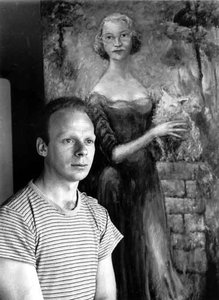
Peter Benjamin Graham
1925 - 1987 , United Kingdom
Основные сведения
- Artistic Movement Or Style: Abstract, Figurative Modernism
- Artists Or Movements Influenced By This Artist: ['Contemporary artists']
- Date Of Birth: 1925
- Date Of Death: 1987
- Full Name: Peter Benjamin Graham
- Nationality: Australian
- Notable Artworks: ['After the Massacre of Glencoe']
- Place Of Birth: Glasgow, UK
Похожие статьи

Джон Констебль: 25 шедевров английского пейзажа для вашего интерьера
Погрузитесь в мир английского пейзажа с Джоном Констеблом! 25 шедевров романтизма, история создания картин и вдохновение для вашего интерьера. Репродукции высокого качества на ArtsDot.com – искусство для ценителей.
John Graham Gilbert: Rediscovering a Victorian Master of Narrative & Portraiture
Discover the captivating world of John Graham Gilbert, a Victorian master! Explore his portraits, genre scenes & illustrations. Learn about his influences, legacy & find high-quality reproductions at ArtsDot.
Alexander Nasmyth: Picturing Scotland's Romantic Landscape – Innovation & Identity
Explore the life & art of Alexander Nasmyth, a pivotal figure in Scottish Romantic landscape painting. Discover his iconic works, including portraits of Robert Burns, and learn about his lasting influence on national identity. Fine art reproductions available.

Evocations of Place: A Historical Journey Through Landscape Art
Explore the rich history of landscape art with ArtsDot. Discover renowned artists, movements like Impressionism & Romanticism, and expert guidance for collecting timeless pieces. Find your perfect serene escape today!

Романтический пейзаж: 10 шедевров, изменивших искусство | ArtsDot.com
Погрузитесь в мир романтического пейзажа! 10 шедевров Фридриха, Тёрнера и других гениев. Узнайте историю создания культовых картин и вдохновитесь для декора интерьера. Репродукции высокого качества на ArtsDot.com.