

 Предпросмотр
 Поделиться
 Поделиться
 Детали произведения

 Скачать
 Похожие работы
 Рентгенография
 Слайд-шоу
 Статистика
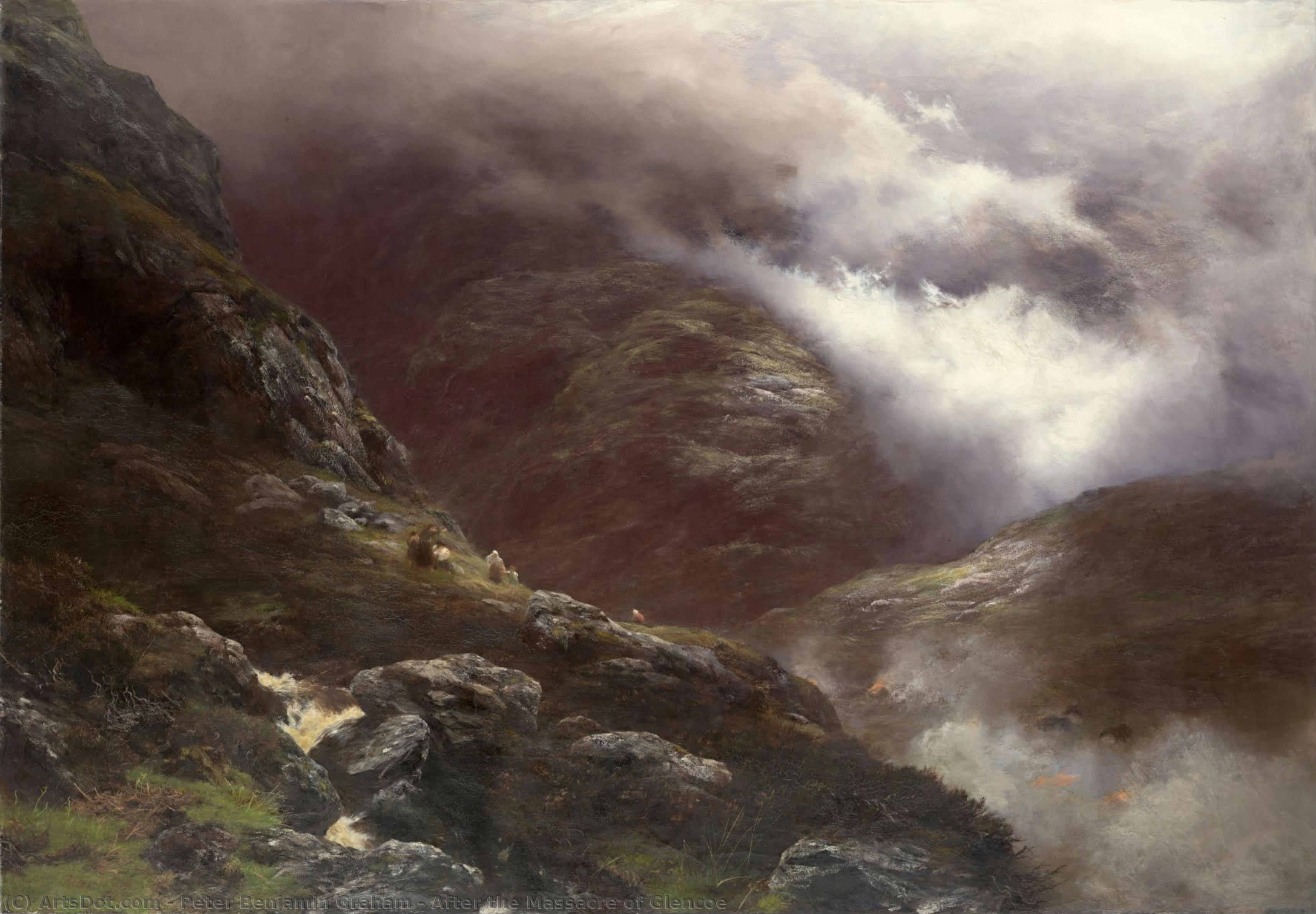
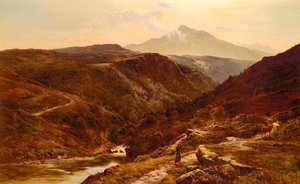
After the Massacre of Glencoe
 Acrylic On Canvas
- WallArt
 1889
1889 123.0 x 175.0 cm
 Национальная галерея Виктории
 Читать далее
Приобретите цифровое изображение высокого разрешения в улучшенном качестве, которое значительно превосходит онлайн-превью.
Каждый файл тщательно подготавливается нашими специалистами с использованием передовых инструментов и экспертной ручной ретуши. Мы гарантируем исключительную четкость, точную цветопередачу и детальную проработку каждого изображения.
Финальный файл доставляется по электронной почте в течение 72 часов и оптимизирован для немедленного использования в профессиональной среде, при верстке и печати. Это тот же уровень качества, которому доверяют ведущие дизайнерские студии, издательства и галереи.
Цифровое изображение
Скачайте файл высокого разрешения для личного использования, печати и творческих проектов. ( Перейти к печати Купить картину ручной работы)
Включено в каждый заказ цифровых изображений
Гарантия экспертной цифровой доставки
Выбирая ArtsDot.com, вы получаете не просто изображение — вы приобретаете профессионально обработанное цифровое произведение искусства, созданное с безупречной точностью и под защитой гарантии качества. Вот всё, что автоматически входит в ваш заказ:

Мгновенная доставка по e-mail
Ваш цифровой файл в высоком разрешении будет отправлен вам по электронной почте в течение 72 часов после оформления заказа — и сразу станет доступен для использования.

Цифровой файл с ИИ-улучшением
Ваше произведение искусства проходит профессиональную оптимизацию с использованием передовых инструментов ИИ и ручной обработки, что гарантирует максимальную детализацию, четкость и точность цветопередачи.

Бессрочная бесплатная повторная доставка
Случайно удалили или потеряли файл? Не беспокойтесь — мы отправим его вам повторно в любое время и совершенно бесплатно.

Без импортных пошлин — навсегда
Наслаждайтесь вашим произведением искусства мгновенно без таможенных пошлин, сборов или затрат на доставку — цифровые загрузки всегда не облагаются налогом.

Гарантия точности цветопередачи
Мы гарантируем, что ваше цифровое изображение максимально точно передает оригинальные цвета благодаря использованию профессиональных инструментов и систем управления цветом.

Гарантия удовлетворенности 100 дней
Если вы не будете удовлетворены своим цифровым изображением, мы внесем правки или вернем 100% стоимости в течение 100 дней — без лишних вопросов.

100% Гарантия возврата средств
Не удовлетворены покупкой? Получите полный возврат средств в течение 100 дней после получения цифрового файла — без лишних вопросов.

Скидки на оптовые заказы
Купите 3 изображения, сэкономьте 10% — Купите 5, сэкономьте 15% — Купите 10+, сэкономьте 20%. Отличное решение для творческих проектов, галерей и агентств.
Похожие произведения


Биография художника
A Maverick of Abstraction: The Life and Art of Peter Benjamin Graham
Peter Benjamin Graham, born in Glasgow in 1925 and passing away in 1987, was an Australian artist whose career defied easy categorization. He wasn’t simply a painter; he was a printer, a theorist, and ultimately, a visual innovator who challenged the very foundations of how we perceive and create imagery. His journey began across continents, shaped by both European artistic traditions and a deep engagement with the unique landscape and cultural heritage of Australia. Graham's early life provided a foundation in technical skill – an apprenticeship in photogravure honed his understanding of reproduction processes – but it was his move to Australia that truly ignited his creative spirit. He quickly became captivated by the native wildlife, particularly kangaroos, and began exploring Aboriginal themes, not through imitation, but as a catalyst for re-evaluating Western artistic conventions. This initial phase saw him blending figurative modernism with emerging abstract tendencies, laying the groundwork for the radical developments to come.The Birth of Thematic Orchestration and New Epoch Art
Around 1960, Graham embarked on a path that would define his legacy: the development of *Thematic Orchestration*. This wasn’t merely another style; it was a fundamentally new approach to image-making inspired by the burgeoning field of chaos theory. He sought to move beyond conscious control, allowing images to “grow” organically from underlying principles, resulting in compositions brimming with almost infinite possibilities. It was a deliberate rejection of traditional compositional rules and an embrace of emergent order. This groundbreaking technique led directly to his most significant innovation: *Notation Painting*, later renamed *New Epoch Art* in 1964. Graham pioneered a sophisticated visual notation system – a kind of visual language – for pure imagery, effectively creating a framework for generating art based on logical structures rather than subjective expression. This placed him at the forefront of the Australian artist-run initiative movement, fostering a spirit of experimentation and independence within the art community. He wasn’t just making art; he was inventing a new system *for* making art.A Catalyst for Change: Galleries and Influence
Graham's commitment to artistic innovation extended beyond his studio practice. From 1973 to 1978, he ran the Queensberry Street Gallery in Melbourne, in association with the Victorian Printmakers’ Group. This gallery became a vital hub for experimental art, providing a platform for emerging artists and challenging established norms. It was more than just an exhibition space; it was a laboratory where ideas were exchanged, boundaries pushed, and new artistic voices nurtured. His influence resonated throughout the Australian art scene, inspiring generations of artists to question conventional approaches and explore uncharted territories. While his work wasn’t always widely recognized during his lifetime, its impact has grown steadily in recent decades as scholars and artists alike have come to appreciate the depth and originality of his vision.Legacy and Continuing Relevance
Peter Benjamin Graham's artistic legacy is one of intellectual rigor, technical mastery, and unwavering dedication to pushing the boundaries of visual expression. He wasn’t content to simply paint a picture; he sought to understand the underlying principles that govern image-making itself. His *Thematic Orchestration* and *New Epoch Art* remain profoundly relevant in an age increasingly fascinated by complexity, systems thinking, and the intersection of art and science. His work continues to inspire contemporary artists, prompting them to explore new ways of generating imagery and challenging traditional notions of authorship and control. Graham’s contribution lies not just in the artworks he created, but in the conceptual framework he provided for future generations. His exploration of chaos theory before it became a mainstream concept demonstrates a remarkable prescience, solidifying his position as a true visionary within the history of modern art.- Explore more about Peter Benjamin Graham’s work at: https://ArtsDot.com/@/peter-benjamin-graham
- Discover artworks featured in historic locations like Dunfermline City Chambers: https://ArtsDot.com/@@/a@d3bpmx
- Learn about Broughton House - Garden Museum, Kirkcudbright: https://ArtsDot.com/@@/a@d3ckcf
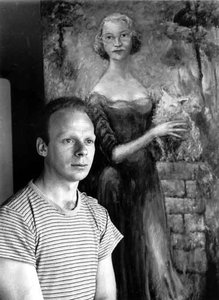
Peter Benjamin Graham
1925 - 1987 , United Kingdom
Основные сведения
- Artistic Movement Or Style: Abstract, Figurative Modernism
- Artists Or Movements Influenced By This Artist: ['Contemporary artists']
- Date Of Birth: 1925
- Date Of Death: 1987
- Full Name: Peter Benjamin Graham
- Nationality: Australian
- Notable Artworks: ['After the Massacre of Glencoe']
- Place Of Birth: Glasgow, UK