

 Предпросмотр
 Поделиться
 Поделиться
 Детали произведения

 Скачать
 Похожие работы
 Рентгенография
 Слайд-шоу
 Статистика
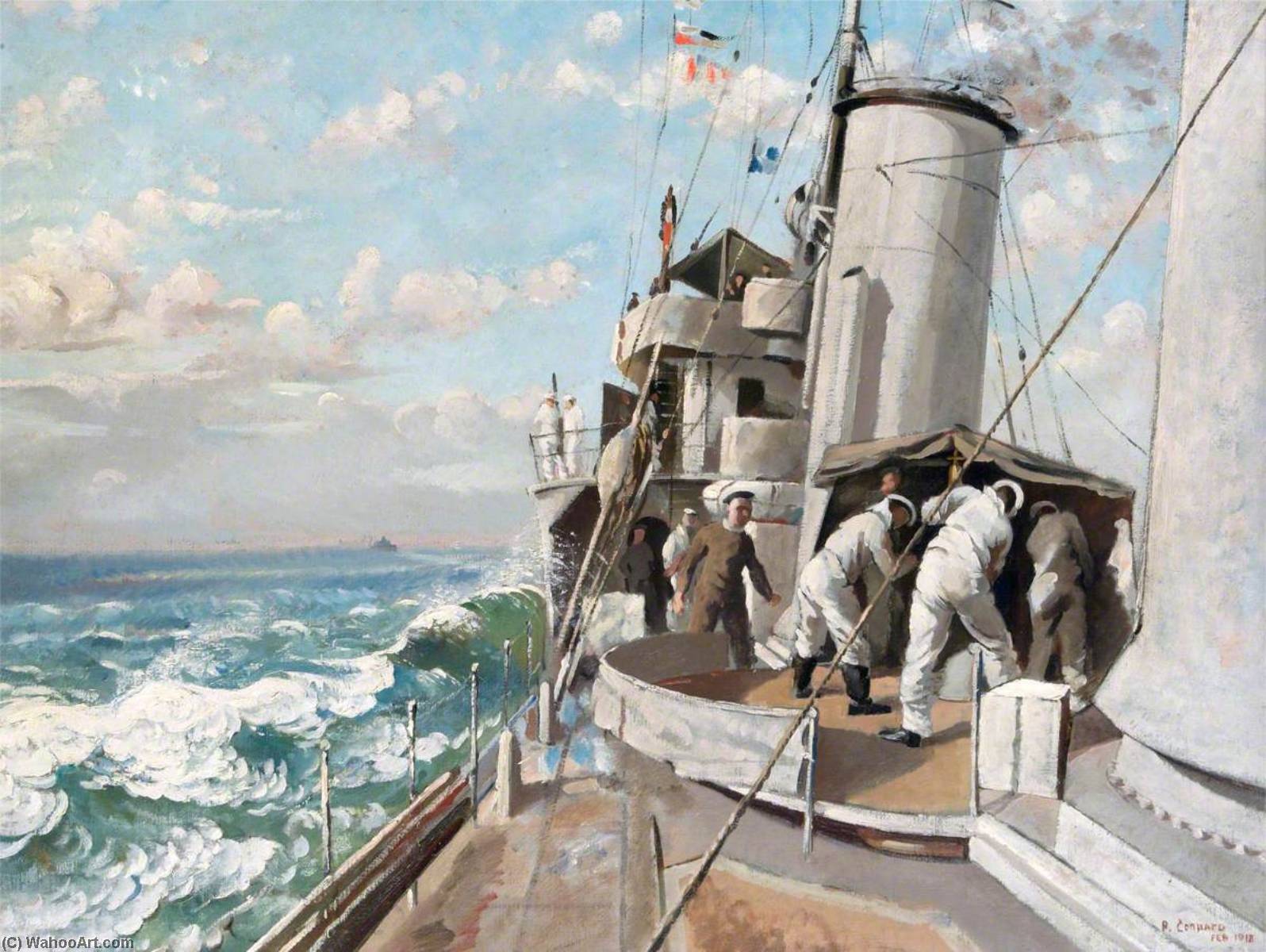
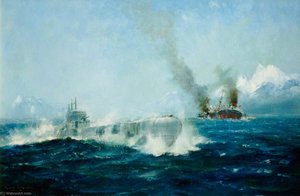
27 Knots HMS 'Melampus'
 1918
1918 71.0 x 91.0 cm
 Читать далее
Масляная репродукция ручной работы
Картина маслом на холсте в выбранном вами размере и раме, написанная на заказ нашими художниками. ( Перейти к печати Перейти к цифровым изображениям)




































Выберите один из наших стандартных размеров, соответствующих оригинальным пропорциям произведения искусства.

Вы можете указать собственные размеры, чтобы картина идеально вписалась в выбранную раму или пространство. Если выбранный вами размер не соответствует пропорциям оригинала, мы либо обрежем полотно, либо расширим его за счет дополнительных элементов, написанных вручную. Цифровой макет будет отправлен вам на утверждение перед началом производства.
Обратите внимание, что предварительный просмотр на экране не отражает фактическую обрезку или расширение. Только макет точно покажет окончательную композицию.
Хотя доступны индивидуальные размеры, мы рекомендуем выбирать вариант из предопределенного списка, чтобы сохранить исходные пропорции.
После оформления заказа команда ArtsDot.com свяжется с клиентом по электронной почте для уточнения деталей и предоставит предварительный макет
Доставка по всему миру () за 3–4 недели вместо стандартных 5 недель. (11 Сентябрь). Без компромиссов в качестве.

Бесплатная экспресс-доставка по всему миру

Высококачественный льняной холст

Полное страхование доставки

Гарантия возмещения таможенных пошлин

Гарантия точного соответствия цветов

100-дневная политика возврата (только при обнаружении дефектов)

Гарантия возврата 100% средств

Предложение оптовых скидок
 Вариант со стеклом доступен только для размеров менее 110 см

27 Knots HMS 'Melampus'
Техника репродукции
Размер репродукции
-


Итоговая стоимость
$ 263
Artist Background
Philip Connard was a British artist known for his maritime paintings, which often depicted scenes of everyday life on naval ships. His work is characterized by its attention to detail and ability to capture the essence of life at sea. Other notable works by Connard include HMS 'Danaë', Near the South Dogger, Sailor on the Bridge, and Cookhouse HMS 'Maidstone', all of which can be found at https://ArtsDot.com.Painting Description
The painting 27 Knots HMS 'Melampus' showcases a group of men working together on the deck of a large ship. The scene is filled with a sense of teamwork and collaboration, as the crew members go about their tasks. Two bottles are visible on the deck, possibly containing water or other supplies. The level of detail in the painting is impressive, with each figure and object meticulously rendered.Historical Significance
The Imperial War Museum London is a renowned institution dedicated to preserving the history of conflicts involving Britain and the Commonwealth. Established in 1917 during World War I, it has since expanded its collection to cover various aspects of military history. More information about the museum can be found at /art/list/?Filter=A@D3B65V-The-Museum-Imperial-War-Museum-London-(United-Kingdom).The painting 27 Knots HMS 'Melampus' is a significant addition to the museum's collection, providing a unique glimpse into life on a naval ship during World War I. For those interested in maritime art or military history, this piece is a must-see.
- View more of Philip Connard's work at https://ArtsDot.com/@/Philip-Connard
- Learn more about the Imperial War Museum London at /art/list/?Filter=A@D3B65V-The-Museum-Imperial-War-Museum-London-(United-Kingdom)
Похожие произведения





Биография художника
A Life Painted in Light: The Story of Philip Connard
Philip Connard (1875-1958) emerged from humble beginnings to become a celebrated British painter, his canvases imbued with a romantic sensibility and a remarkable versatility that spanned decorative landscapes, poignant war art, and grand mural commissions. Born in Southport, Lancashire, Connard’s early life offered little indication of the artistic path he would forge. He initially entered the building trade as a house painter, a practical occupation that nonetheless fostered an appreciation for form, color, and meticulous detail—qualities that would later define his work. However, a burgeoning passion for art led him to evening classes, culminating in a scholarship to the Royal College of Art in London, where he specialized in textile design. A small prize of £100 allowed a brief sojourn to Paris, though financial constraints curtailed his time there, it nonetheless provided an initial taste of the European artistic milieu. Upon returning to London, Connard established himself as an illustrator before securing a teaching position at Lambeth School of Art. This period proved pivotal, not only for his professional development but also for nurturing a new generation of artists, including Edmund Blampied. It was during these years that Connard’s distinctive style began to coalesce—romantic landscapes populated with graceful figures, often pierettes or birds, rendered in oils with an airy lightness and individual conception. He submitted works to the New English Art Club, gaining recognition for his evocative compositions.From Battlefield Sketches to Royal Commissions
The outbreak of World War I dramatically altered Connard’s trajectory. Despite being nearly forty years old, he volunteered for service, joining the Royal Field Artillery as a private and rising to the rank of Captain before being invalided out due to severe shell shock. This experience profoundly impacted his artistic vision. Appointed an official war artist to the Royal Navy, Connard documented scenes of naval conflict with a newfound intensity and emotional depth. His sketches and paintings captured the drama of battles, most notably the surrender of the German ship SMS Goeben and the daring Zeebrugge raid—works that now reside in the Imperial War Museum, London, serving as powerful visual records of a tumultuous era. This period marked a shift from idyllic landscapes to scenes imbued with patriotism and sacrifice. Connard’s wartime service propelled him into a realm of prestigious commissions. He secured contracts for murals at Windsor Castle, large panels for a ballroom in New Delhi, and perhaps his most significant undertaking: a substantial panel depicting England for the opulent RMS Queen Mary liner. These projects showcased his mastery of decorative painting and his ability to translate grand narratives onto monumental surfaces. His work during this time was characterized by a refined elegance and a meticulous attention to detail, reflecting both classical influences and a distinctly British aesthetic sensibility.Recognition and Legacy
The accolades followed in quick succession. Connard was elected an associate of the Royal Academy in 1918 and became a full Academician in 1925. He further served as Keeper of the Royal Academy school from 1945 to 1949, guiding aspiring artists and shaping the future direction of British art. In 1950, he was appointed a Commander of the Royal Victorian Order, acknowledging his significant contributions to the artistic landscape. Throughout his career, Connard’s work found its way into esteemed collections including the Tate Gallery in London, the Musée d’Orsay in Paris, and the National Museum of Wales.- Influences: While not explicitly aligned with a single movement, Connard's work demonstrates an affinity for Impressionism, particularly in his use of light and color. He also drew inspiration from classical traditions and the decorative arts.
- Key Characteristics: Romantic landscapes, graceful figures, meticulous detail, atmospheric perspective, patriotic themes (particularly during wartime), and a refined elegance.
- Major Achievements: Official War Artist to the Royal Navy, murals at Windsor Castle, panel for RMS Queen Mary, election to the Royal Academy, Keeper of the Royal Academy school.
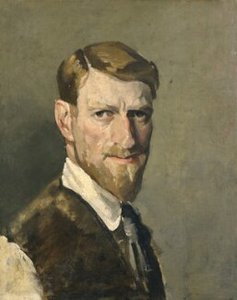
philip connard
1875 - 1958
Основные сведения
- Artistic Movement Or Style: Impressionism, Decorative landscapes
- Date Of Birth: March 24, 1875
- Date Of Death: December 8, 1958
- Full Name: Philip Connard
- Nationality: British
- Notable Artworks:
- Sketch for '27 Knots HMS Melampus'
- Cloud Shadows
- RMS Queen Mary art
- Place Of Birth: Southport, UK