

 Поделиться
 Поделиться
 Детали произведения

 Скачать
 Похожие работы
 Слайд-шоу
 Статистика
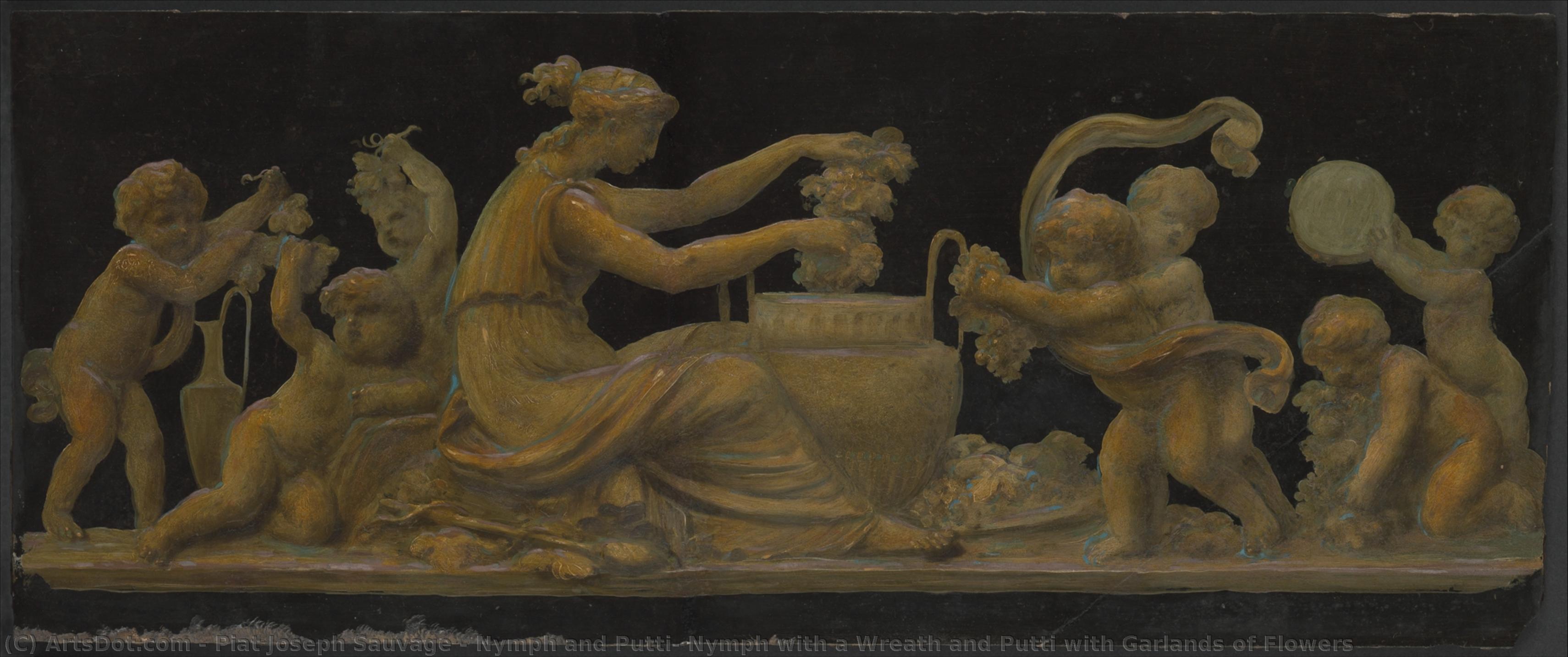
Nymph and Putti; Nymph with a Wreath and Putti with Garlands of Flowers
 Stone
Stone- Sculpture
- Hellenistic
 24.0 x 59.0 cm
 Музей Метрополитен
 Читать далее
Приобретите цифровое изображение высокого разрешения в улучшенном качестве, которое значительно превосходит онлайн-превью.
Каждый файл тщательно подготавливается нашими специалистами с использованием передовых инструментов и экспертной ручной ретуши. Мы гарантируем исключительную четкость, точную цветопередачу и детальную проработку каждого изображения.
Финальный файл доставляется по электронной почте в течение 72 часов и оптимизирован для немедленного использования в профессиональной среде, при верстке и печати. Это тот же уровень качества, которому доверяют ведущие дизайнерские студии, издательства и галереи.
Цифровое изображение
Скачайте файл высокого разрешения для личного использования, печати и творческих проектов. ( Перейти к печати Купить картину ручной работы)
Включено в каждый заказ цифровых изображений
Гарантия экспертной цифровой доставки
Выбирая ArtsDot.com, вы получаете не просто изображение — вы приобретаете профессионально обработанное цифровое произведение искусства, созданное с безупречной точностью и под защитой гарантии качества. Вот всё, что автоматически входит в ваш заказ:

Мгновенная доставка по e-mail
Ваш цифровой файл в высоком разрешении будет отправлен вам по электронной почте в течение 72 часов после оформления заказа — и сразу станет доступен для использования.

Цифровой файл с ИИ-улучшением
Ваше произведение искусства проходит профессиональную оптимизацию с использованием передовых инструментов ИИ и ручной обработки, что гарантирует максимальную детализацию, четкость и точность цветопередачи.

Бессрочная бесплатная повторная доставка
Случайно удалили или потеряли файл? Не беспокойтесь — мы отправим его вам повторно в любое время и совершенно бесплатно.

Без импортных пошлин — навсегда
Наслаждайтесь вашим произведением искусства мгновенно без таможенных пошлин, сборов или затрат на доставку — цифровые загрузки всегда не облагаются налогом.

Гарантия точности цветопередачи
Мы гарантируем, что ваше цифровое изображение максимально точно передает оригинальные цвета благодаря использованию профессиональных инструментов и систем управления цветом.

Гарантия удовлетворенности 100 дней
Если вы не будете удовлетворены своим цифровым изображением, мы внесем правки или вернем 100% стоимости в течение 100 дней — без лишних вопросов.

100% Гарантия возврата средств
Не удовлетворены покупкой? Получите полный возврат средств в течение 100 дней после получения цифрового файла — без лишних вопросов.

Скидки на оптовые заказы
Купите 3 изображения, сэкономьте 10% — Купите 5, сэкономьте 15% — Купите 10+, сэкономьте 20%. Отличное решение для творческих проектов, галерей и агентств.
The Allure of Illusion: Sauvage's Trompe L'oeil Mastery
To stand before this depiction is to step across a threshold into an exquisite dialogue between artifice and reality. The work, attributed to the masterful hand of piat joseph sauvage, is a profound meditation on the very nature of artistic representation. Sauvage was renowned for his breathtaking trompe l'oeil effects—paintings so convincing they seemed to defy the flat surface upon which they rested. Here, he achieves this illusion by mimicking the appearance of low relief carvings, techniques that captured the imagination during the late eighteenth century when classical antiquity’s sculptural forms were experiencing a renaissance in popular taste. The support itself, a thick slate, was treated with oil paint to imitate the soft sheen of wax, creating an unprecedented play on process: the difference between the painter's brushstroke and the sculptor's chisel.
Mythology in Stone: Nymphs, Putti, and Floral Abundance
The subject matter transports us into a serene moment drawn from the wellspring of Greek mythology. At its heart resides a graceful nymph, surrounded by playful putti—cherubic figures whose very existence seems woven from garlands of blossoms. The composition is a tapestry of classical elegance, suggesting a ritualistic offering or perhaps a celebration of burgeoning life and beauty. Every element, from the delicately draped fabric to the overflowing baskets, speaks of abundance. These flowers are not mere decoration; they are potent symbols of fertility, divine favor, and the ephemeral perfection of youth. The overall impression is one of profound tranquility, an idealized moment captured with meticulous care.
A Study in Texture and Form: Technique and Craftsmanship
Technically speaking, this piece showcases a remarkable understanding of depth within a shallow plane. While the original medium was painted imitation on slate, the reproduction captures the essence of relief carving. The artist has masterfully employed overlapping figures and carefully arranged objects to generate an illusion of three-dimensionality, giving weight and presence to every sculpted form. Observe how the diffused lighting seems to play across the polished surfaces, enhancing the subtle shadows that give the scene its palpable depth. The contrast between the smooth polish of the stone substrate and the intricate texture suggested in the foliage provides a feast for the eye, guiding the viewer's gaze across the horizontal sweep of the narrative.
Echoes of Antiquity for the Modern Collector
For the discerning collector or interior designer, this artwork offers more than mere decoration; it offers cultural resonance. It channels the enduring appeal of Hellenistic sculpture—a style celebrated for its realistic depiction and dynamic grace. The warm, earthy palette, dominated by ochre and terracotta tones, ensures that this piece will integrate seamlessly into spaces desiring a touch of timeless, classical grandeur. Owning a reproduction of Sauvage’s work is to possess a conversation piece steeped in art history, inviting contemplation on the enduring human fascination with beauty, myth, and the transformative power of artistic illusion.
Похожие произведения
Биография художника
Joseph Parry: A Manchester Master of Everyday Life
Born in Liverpool in 1744, Joseph Parry’s artistic journey began not within the hallowed halls of a formal academy, but amidst the practicalities of apprenticeship. His father, a Welsh master pilot, instilled in him a deep appreciation for observation and detail – skills that would prove invaluable as he transitioned from ship painting to capturing the vibrant pulse of Manchester life. While initially apprenticed to a house painter, Parry’s true passion lay in art, fueling his dedication through diligent study and an unwavering commitment to portraying the world around him with remarkable accuracy and charm.
Parry's career truly blossomed in Manchester during the early 18th century, earning him the affectionate title of “Father of Art” within the city. He quickly established himself as a sought-after portraitist and, more significantly, as an artist dedicated to documenting the daily routines and social scenes of his adopted home. Unlike many artists of his time who focused on grand historical or mythological subjects, Parry chose to immortalize the commonplace – bustling markets, lively wakes, and the intricate details of urban life. His most celebrated work, ‘The Old Market and Shambles at Manchester,’ stands as a testament to this approach, offering an intimate glimpse into the heart of a burgeoning industrial city.
Further showcasing his meticulous eye for detail and ability to capture human interaction, Parry created 'Eccles Wake,' a monumental painting depicting 200 individual figures – each carefully rendered from direct observation. This ambitious undertaking demonstrates not only his technical skill but also his profound interest in the social fabric of Manchester society. Beyond portraiture and large-scale scenes, Parry’s artistic endeavors extended to etching, producing a striking self-portrait that was limited to just ten impressions, highlighting the rarity and value he placed on his own work.
The Parry Family Legacy
Joseph Parry's influence extended beyond himself. His son, David Henry Parry (1793-1826), followed in his father’s footsteps, inheriting a passion for art and establishing his own studio in Manchester. David honed his skills under his father’s tutelage, eventually marrying Elizabeth Smallwood and relocating to London before his untimely death at the age of 33. His artistic style mirrored that of his father, focusing on capturing scenes of everyday life with a keen eye for detail and a sensitivity to human emotion.
James Parry (died 1871), Joseph’s younger son, also embraced a career in art, excelling as an engraver. He skillfully reproduced works by himself, his brother, and other artists, particularly those depicting Lancashire landscapes. His dedication to engraving ensured that the visual narratives of Manchester were preserved and disseminated through meticulously crafted plates.
Adding another layer to this artistic lineage was Charles James Parry (1824-1894), David Henry’s youngest son. Despite a formal education in business, he pursued his passion for painting as an amateur, creating evocative landscapes that found a ready market among collectors. His family history underscores the enduring legacy of artistic talent within the Parry family.
Parry's Artistic Style and Influences
Joseph Parry’s distinctive style is characterized by its realism, meticulous detail, and focus on capturing the essence of ordinary life. He was deeply influenced by the Dutch Golden Age masters, particularly their ability to render light and shadow with remarkable precision. His work shares a similar commitment to direct observation and a rejection of idealized representations in favor of portraying the world as he saw it – warts and all.
Furthermore, Parry’s engagement with contemporary social trends is evident in his choice of subjects. He deliberately depicted scenes that reflected the changing landscape of Manchester during a period of rapid industrialization and urbanization. His paintings offer valuable insights into the lives of ordinary people, providing a rich tapestry of social history.
Historical Significance and Lasting Impact
Joseph Parry’s contribution to British art lies not in grand historical narratives but in his profound documentation of everyday life. He elevated the mundane to the level of artistic significance, capturing the spirit of Manchester during a pivotal period in its development. His paintings serve as invaluable visual records of a rapidly changing society, offering a unique perspective on the lives and experiences of ordinary people.
Parry’s legacy extends beyond his individual works; he is remembered as a pioneer who championed realism and social observation in British art. His influence can be seen in subsequent generations of artists who sought to capture the complexities of modern life with honesty and empathy. His work continues to resonate today, reminding us of the beauty and significance that can be found in the most ordinary moments.
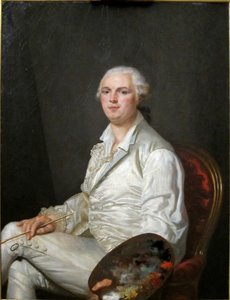
piat joseph sauvage
1744 - 1818