

 Предпросмотр
 Поделиться
 Поделиться
 Детали произведения

 Скачать
 Похожие работы
 Рентгенография
 Слайд-шоу
 Статистика
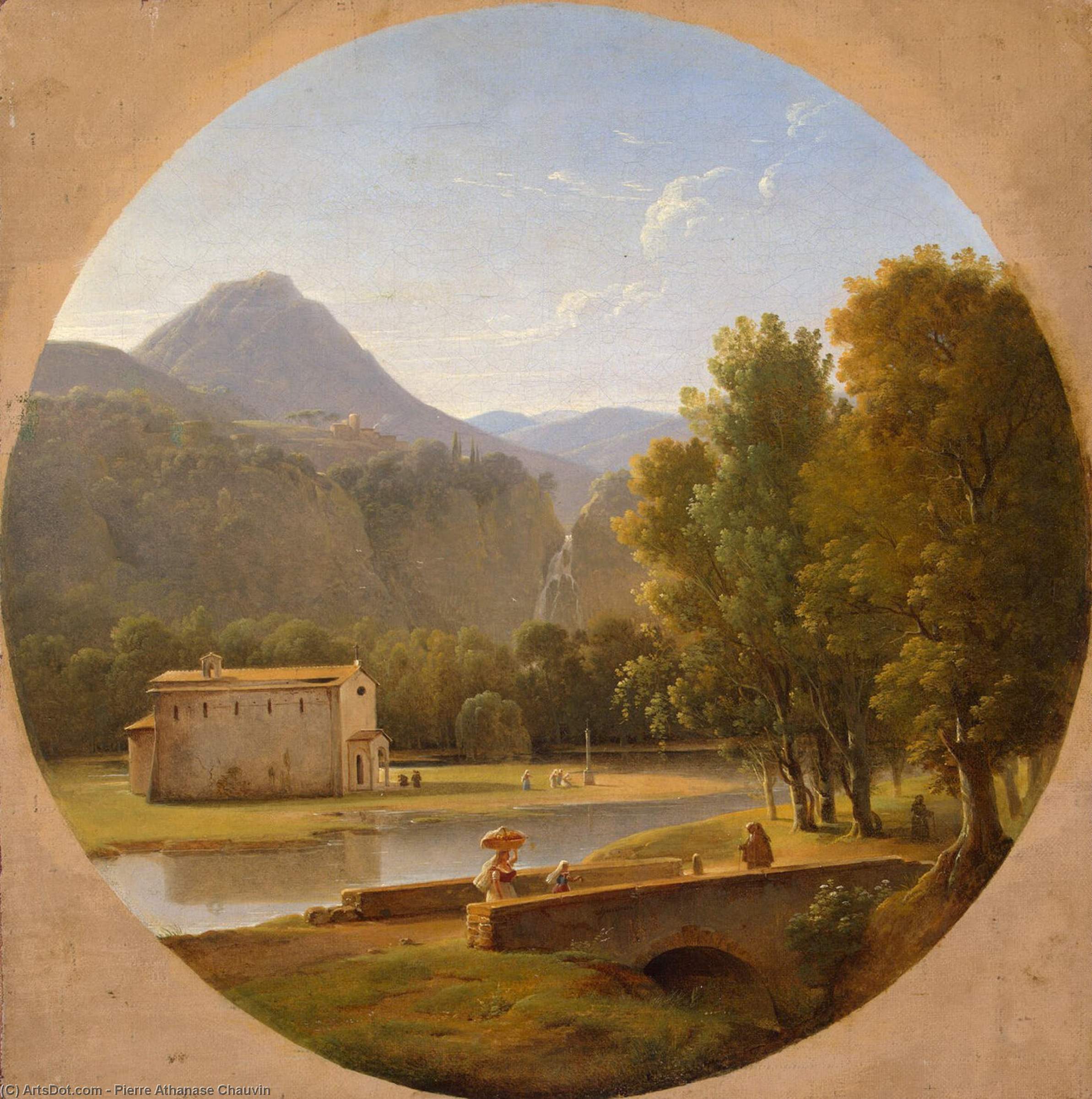
Italian Landscape
 Oil On Canvas
- WallArt
- Neoclassical & Realist
 31.0 x 31.0 cm
 Эрмитаж
 Читать далее
Жикле / Арт-принт
Печать (жикле) или холст музейного качества с быстрыми сроками изготовления и широким выбором вариантов отделки. ( Купить картину ручной работы Перейти к цифровым изображениям)




P118B $10

P118H $10

P118W $10

P438Z $10

P508JH $12

P508YH $12

P805H $10

P805Z $10

P919BZ $10

P919G $10

P919XJ $10

P959ZH $10

P968JZ $12

W106C $8

W218G $10

W218JH $8

W218Y $10

W307PJ $10

W316G $10

W316PJ $8

W316Y $10

W398PJ $8

W4111J $10

W500HY $15

W500JH $15

W692G $12

W849H $8

W940BG $15

W953PJ $8




Выберите один из наших стандартных размеров, соответствующих оригинальным пропорциям произведения искусства.

Вы можете указать свои собственные размеры, чтобы репродукция идеально подошла под конкретную раму или пространство. Если выбранный вами размер не будет соответствовать пропорциям оригинала, мы либо обрежем произведение, либо дополним изображение зеркальным отражением краев или однотонной заливкой. Перед началом производства вам будет отправлен цифровой макет для утверждения.
Пожалуйста, обратите внимание, что предварительный просмотр на экране не отображает фактическую обрезку или расширение изображения. Только макет точно покажет финальную композицию.
Несмотря на возможность заказа индивидуальных размеров, мы рекомендуем выбирать размер из предопределенного списка, чтобы сохранить оригинальные пропорции.
Доставка по всему миру () за 2 недели вместо стандартных 4/5 недель. (11 Сентябрь)

Бесплатная экспресс-доставка по всему миру

Высококачественный льняной холст

Полное страхование доставки

Гарантия возмещения таможенных пошлин

Гарантия точного соответствия цветов

100-дневная политика возврата (только при обнаружении дефектов)

Гарантия возврата 100% средств

Предложение оптовых скидок
 Вариант со стеклом доступен только для размеров менее 110 см

Italian Landscape
Жикле / Арт-принт
Размер репродукции
-


Итоговая стоимость
$ 62
A Roman Reverie: Pierre-Athanase Chauvin’s “Italian Landscape”
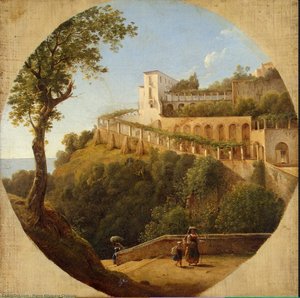
Pierre-Athanase Chauvin's "Italian Landscape," rendered in oil on canvas measuring 31 x 31 cm, is more than just a depiction of a picturesque vista; it’s a carefully constructed evocation of the idealized beauty that captivated European artists during the early 19th century. Painted around the time of his relocation to Rome – a pivotal moment in his artistic career – this work embodies the Neoclassical and Realist sensibilities he honed under the tutelage of Pierre-Henri de Valenciennes, a master known for his open-air landscape paintings. The scene unfolds with a deliberate serenity, inviting the viewer into a tranquil space where nature and human presence coexist harmoniously.
The painting captures a mountainous region bathed in the soft light characteristic of Southern Italy. A crystalline lake dominates the foreground, reflecting the azure sky and the surrounding peaks. A small group of figures – likely travelers or locals – are positioned near its edge, engaged in quiet contemplation, their presence subtly enhancing the sense of peaceful observation rather than dominating the scene. An umbrella, a practical yet charming detail, suggests a moment of respite from the sun’s warmth, adding a touch of everyday life to this otherwise timeless landscape.
The Influence of Valenciennes and the Neoclassical Tradition
Chauvin's artistic lineage is deeply rooted in the work of Pierre-Henri de Valenciennes. Like his mentor, Chauvin prioritized capturing the essence of nature through precise observation and a restrained palette. The composition adheres to a classic structure – rolling hills framing a central vista, punctuated by architectural elements that hint at distant towns or ruins. This deliberate arrangement echoes the principles of classical landscape painting, drawing inspiration from artists like Claude Lorrain and Nicolas Poussin, whose works championed idealized beauty and harmonious balance.
The color scheme is deliberately muted, dominated by cool blues and greens in the sky and water, contrasted with warmer browns and sandy tones for the earth. This restrained approach, characteristic of Neoclassicism, emphasizes atmosphere and light rather than dramatic contrasts. Chauvin’s brushwork is meticulous, creating a sense of depth through subtle variations in tone and texture – a testament to his dedication to realism within a stylized framework.
Rome as a Crucible: Artistic Transformation
Chauvin's move to Rome in 1813 marked a significant shift in his artistic focus. The Eternal City, with its ancient ruins, vibrant culture, and breathtaking landscapes, provided an unparalleled source of inspiration. It was here that he solidified his commitment to painting Italian scenes, becoming renowned for his evocative depictions of the region’s beauty. This period saw him refine his technique, embracing a more direct approach to capturing light and atmosphere – a departure from the more formal style he had developed in Paris.
The monumental “Charles VIII’s entry into Acquapendente,” commissioned by King Louis XVIII for the Galerie de Diane at the Palace of Fontainebleau, cemented Chauvin's reputation as a leading landscape painter. However, "Italian Landscape" offers a glimpse into his earlier work, showcasing the foundational elements that would define his distinctive style – a meticulous attention to detail, a masterful command of color and light, and an unwavering dedication to capturing the idealized beauty of the Italian countryside.
Symbolism and Emotional Resonance
Beyond its technical merits, "Italian Landscape" resonates with a profound sense of tranquility and contemplation. The scene invites viewers to escape the pressures of daily life and immerse themselves in the restorative power of nature. The figures near the lake suggest a shared appreciation for beauty and a connection to the natural world – themes that were particularly resonant during the Romantic era, which followed closely on the heels of Neoclassicism.
The painting’s enduring appeal lies not only in its aesthetic qualities but also in its ability to evoke a feeling of nostalgia for a simpler time. It is a reminder of the timeless beauty of the Italian landscape and the power of art to transport us to another place, another time – a Roman reverie captured on canvas by a master of his craft.
Похожие произведения

Биография художника
Pierre-Athanase Chauvin: A Life in Italian Landscapes
Early Life and Education
Pierre-Athanase Chauvin was born in Paris, France, in 1774. He embarked on his artistic journey as a student of the esteemed landscape painter Pierre-Henri de Valenciennes. This foundational training would profoundly shape Chauvin’s future artistic direction and style.
Early Career and Salon Success
Chauvin first exhibited at the Paris Salon in 1793, marking the beginning of his public career. His dedication and skill culminated in a significant achievement: winning the first-class medal in 1819 for his monumental painting, Charles VIII’s entry into Acquapendente. This work was not merely an artistic triumph; it was commissioned by King Louis XVIII of France for the prestigious Galerie de Diane at the Palace of Fontainebleau, solidifying Chauvin's reputation.
Settling in Rome and Artistic Development
In 1813, Chauvin made a pivotal decision to relocate to Rome. He quickly integrated into the Roman art scene, becoming a member of the Accademia di San Luca. This move marked a turning point in his artistic development, as he immersed himself in the Italian landscape and its rich artistic heritage.
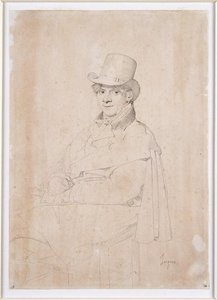
His views of Italy demonstrate a clear influence from Jean Auguste Dominique Ingres, blending classical precision with realist observation. The two artists were acquainted; Ingres even painted portraits of Chauvin and his wife in 1814, illustrating their professional relationship.
Artistic Style and Influences
Chauvin’s artistic style is characterized by a harmonious blend of Neoclassical structure and Realist detail. He masterfully captured the atmospheric light and serene beauty of the Italian countryside. His landscapes are not simply depictions of scenery; they are carefully composed studies of nature, imbued with a sense of classical order.
- Influences: Pierre-Henri de Valenciennes (landscape painting techniques), Jean Auguste Dominique Ingres (classical precision and form).
- Key Characteristics: Atmospheric perspective, detailed rendering of natural elements, balanced compositions, classical influence.
Major Achievements and Recognition
Beyond the acclaim for Charles VIII’s entry into Acquapendente, Chauvin produced a substantial body of work depicting various Italian landscapes. His paintings showcase views of Tivoli, Grottaferrata, Naples, and other picturesque locations.
In 1828, he was honored with the title of Chevalier of the Legion of Honor, further acknowledging his contributions to the art world.
Historical Significance and Legacy
While not as widely celebrated as some of his contemporaries, Chauvin played a significant role in documenting the Italian landscape during the 19th century. His work provides valuable insights into the artistic sensibilities of the period and demonstrates the enduring appeal of classical ideals within a realist framework.
His art was featured in the exhibition An Enchanted Country. Italy depicted by artists from Thomas Jones to Corot, held at Palazzo Te in Mantua, Italy, in 2001, reaffirming his place within the broader narrative of Italian landscape painting.
pierre athanase chauvin
1774 - 1832 , France
Основные сведения
- Acquapendente: View of Tivoli
- Birth Date: 1774
- Birth Place: Paris, France
- Death Date: 1832
- Influenced: None, 'influenced by': 'Pierre-Henri de Valenciennes, Jean Auguste Dominique Ingres', 'movement': ['Neoclassicism', 'Realism'], 'name': 'Pierre-Athanase Chauvin', 'nationality': 'French', 'notable works': [
Похожие статьи

Evocations of Place: A Historical Journey Through Landscape Art
Explore the rich history of landscape art with ArtsDot. Discover renowned artists, movements like Impressionism & Romanticism, and expert guidance for collecting timeless pieces. Find your perfect serene escape today!

Романтический пейзаж: 10 шедевров, изменивших искусство | ArtsDot.com
Погрузитесь в мир романтического пейзажа! 10 шедевров Фридриха, Тёрнера и других гениев. Узнайте историю создания культовых картин и вдохновитесь для декора интерьера. Репродукции высокого качества на ArtsDot.com.
Giovanni Fattori: Realism, Identity & the Tuscan Landscape – A Macchiaioli Master
Explore the life & art of Giovanni Fattori, a leading figure of the Macchiaioli movement. Discover his revolutionary realism, captivating Tuscan landscapes, and lasting impact on Italian painting. Learn more at ArtsDot.

Romantic Realism's Finest: 10 Masterpieces for Your Home | ArtsDot
Explore 10 defining masterpieces of Romantic Realism! Discover Courbet, Millet & Daumier's powerful paintings—capturing emotion and social realities. Find museum-quality reproductions for your home at ArtsDot.com.
Evoking Nature's Sublime: A Comprehensive Exploration of 19th-Century Landscape Painting
Explore the captivating world of 19th-century landscape painting! Discover renowned artists like Friedrich & Monet, key movements, and find the perfect artwork to bring nature's serenity into your home. Expert insights at ArtsDot.