

 Предпросмотр
 Поделиться
 Поделиться
 Детали произведения

 Скачать
 Похожие работы
 Рентгенография
 Слайд-шоу
 Статистика
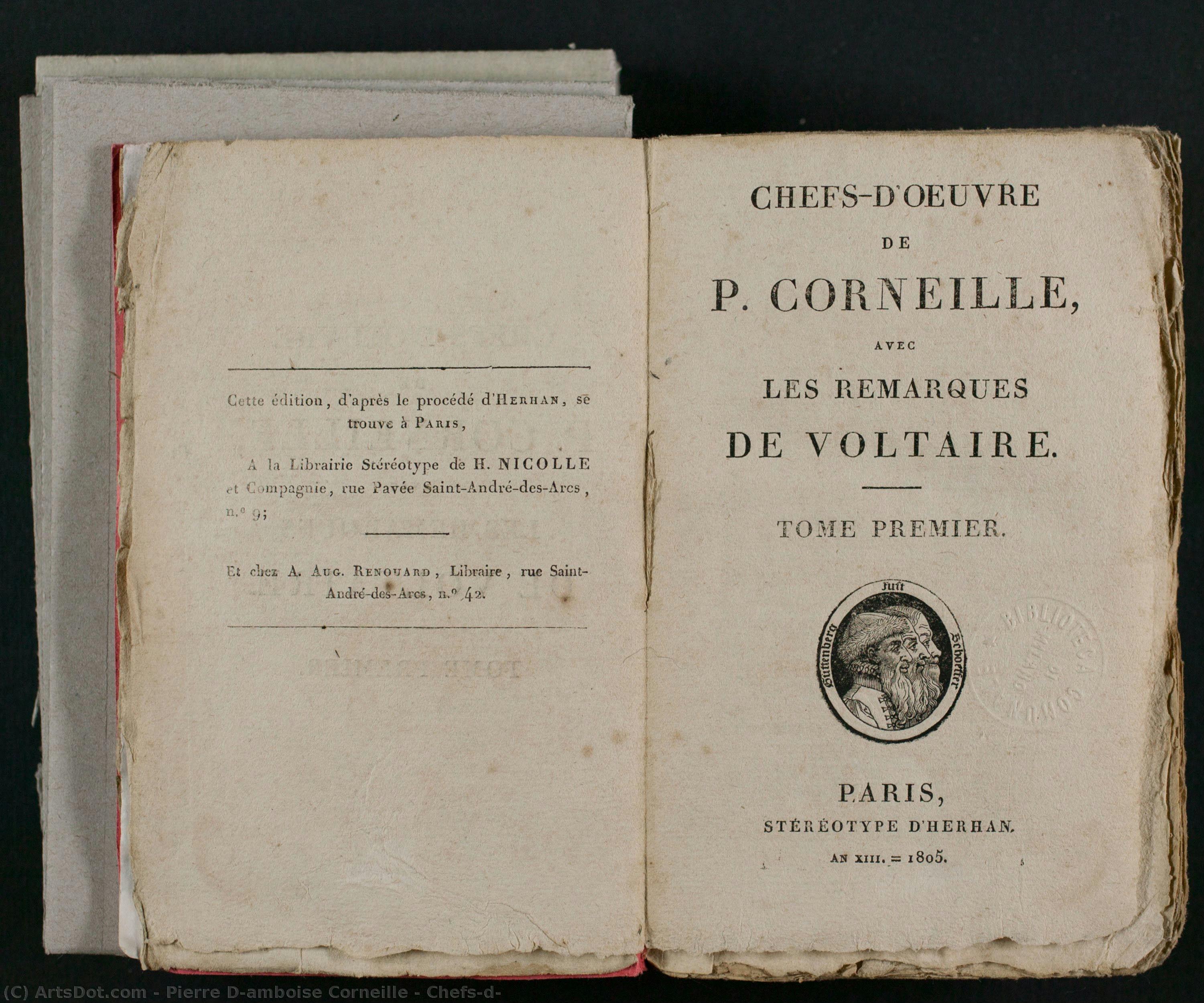
Chefs-d

 Читать далее
Масляная репродукция ручной работы
Картина маслом на холсте в выбранном вами размере и раме, написанная на заказ нашими художниками. ( Перейти к печати Перейти к цифровым изображениям)




































Выберите один из наших стандартных размеров, соответствующих оригинальным пропорциям произведения искусства.

Вы можете указать собственные размеры, чтобы картина идеально вписалась в выбранную раму или пространство. Если выбранный вами размер не соответствует пропорциям оригинала, мы либо обрежем полотно, либо расширим его за счет дополнительных элементов, написанных вручную. Цифровой макет будет отправлен вам на утверждение перед началом производства.
Обратите внимание, что предварительный просмотр на экране не отражает фактическую обрезку или расширение. Только макет точно покажет окончательную композицию.
Хотя доступны индивидуальные размеры, мы рекомендуем выбирать вариант из предопределенного списка, чтобы сохранить исходные пропорции.
После оформления заказа команда ArtsDot.com свяжется с клиентом по электронной почте для уточнения деталей и предоставит предварительный макет
Доставка по всему миру () за 3–4 недели вместо стандартных 5 недель. (12 Сентябрь). Без компромиссов в качестве.

Бесплатная экспресс-доставка по всему миру

Высококачественный льняной холст

Полное страхование доставки

Гарантия возмещения таможенных пошлин

Гарантия точного соответствия цветов

100-дневная политика возврата (только при обнаружении дефектов)

Гарантия возврата 100% средств

Предложение оптовых скидок
 Вариант со стеклом доступен только для размеров менее 110 см

Chefs-d
Техника репродукции
Размер репродукции
-


Итоговая стоимость
$ 263
Похожие произведения









Биография художника
A Life Dedicated to the Stage: Pierre Corneille and the Birth of French Classical Tragedy
Pierre Corneille, born in Rouen, France, on June 6, 1606, stands as a monumental figure in the history of French literature. He wasn’t merely a playwright; he was an architect of dramatic form, credited with establishing classical tragedy within the vibrant cultural landscape of 17th-century France. His life, though marked by periods of both acclaim and controversy, unfolded against a backdrop of evolving artistic tastes and powerful political forces, all of which profoundly shaped his enduring legacy.
Corneille’s upbringing was steeped in privilege and intellectual rigor. His father, Pierre Corneille, was a respected lawyer, and the family enjoyed a comfortable position within Norman society. This afforded young Pierre access to an excellent education at the Jesuit Collège de Bourbon (now Lycée Pierre-Corneille), where he excelled in Latin verse composition and developed a keen understanding of rhetoric – skills that would later prove invaluable in his dramatic endeavors. While initially trained for a legal career, following in his father’s footsteps, Corneille found himself irresistibly drawn to the world of theatre.
Early Successes and the Tumultuous Reception of *Le Cid*
His initial foray into playwriting came with *Mélite* (1629), a witty comedy that unexpectedly captured the Parisian audience’s imagination. This early success provided the impetus for a prolific period, during which Corneille produced a series of comedies and tragicomedies – works like *Clitandre*, *La Veuve*, and *La Galerie du Palais*. However, it was *Le Cid* (1637) that irrevocably cemented his place in literary history, albeit amidst considerable uproar. The play, based on a Spanish story of love, honor, and duty, resonated deeply with audiences but ignited a fierce debate known as the *Querelle du Cid*. Critics, adhering to strict classical principles, found fault with its deviations from established dramatic unities – time, place, and action – and questioned its moral implications. The Académie française, newly formed under Cardinal Richelieu’s patronage, formally denounced the play, accusing it of lacking decorum and violating theatrical conventions.
Navigating Patronage and Artistic Independence
The controversy surrounding *Le Cid* was not simply a matter of artistic style; it reflected a power struggle within the French court. Cardinal Richelieu had been actively promoting classical tragedy as a means of enhancing France’s cultural prestige, but he envisioned a more controlled and disciplined form than what Corneille offered. Initially enjoying Richelieu's support, Corneille found himself at odds with the cardinal after the play’s reception. This experience instilled in him a strong sense of artistic independence, even as he continued to seek patronage and navigate the complex political landscape of the time. He briefly withdrew from public life following the *Querelle*, but eventually returned to writing, producing tragedies such as *Horace* (1640) and *Cinna* (1641), which demonstrated a greater adherence to classical principles while still retaining his distinctive dramatic flair.
Themes of Duty, Honor, and Moral Conflict
Corneille’s plays are characterized by their exploration of profound moral dilemmas. He consistently grappled with the tension between personal desires and societal obligations, often portraying characters torn between love and duty, passion and reason. His heroes are frequently defined by a strong sense of honor, but they also confront difficult choices that challenge conventional notions of virtue. This focus on internal conflict and psychological realism set his work apart from earlier dramatic traditions. He wasn’t interested in simply presenting idealized figures; he sought to portray the complexities of human nature and the struggles inherent in making ethical decisions.
A Lasting Legacy: The Father of French Classical Tragedy
Despite facing periods of fluctuating popularity, Corneille continued to write well-received tragedies for nearly four decades. His later works, including *Polyeucte* (1643) and *Sertorius* (1662), further refined his dramatic style and solidified his reputation as a master playwright. He died in Paris on October 1, 1684, leaving behind a body of work that profoundly influenced subsequent generations of French dramatists, including Jean Racine and Molière. Corneille’s contribution extends beyond the specific plays he wrote; it lies in his establishment of classical tragedy as a dominant force in French theatre. He not only shaped the form but also imbued it with a uniquely French sensibility – one that emphasized reason, order, and the exploration of moral complexities. His legacy continues to resonate today, reminding us of the enduring power of drama to illuminate the human condition.
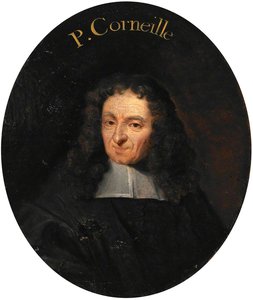
pierre d'amboise corneille
1606 - 1684 , France
Основные сведения
- Artistic Movement Or Style: Classical tragedy
- Artists Or Movements Influenced By This Artist:
- Molière
- Racine
- Date Of Birth: June 6, 1606
- Date Of Death: October 1, 1684
- Full Name: Pierre Corneille
- Nationality: French
- Notable Artworks:
- Le Cid
- Horace
- Cinna
- Polyeucte
- Place Of Birth: Rouen, France