

 Предпросмотр
 Поделиться
 Поделиться
 Детали произведения

 Скачать
 Похожие работы
 Рентгенография
 Слайд-шоу
 Статистика
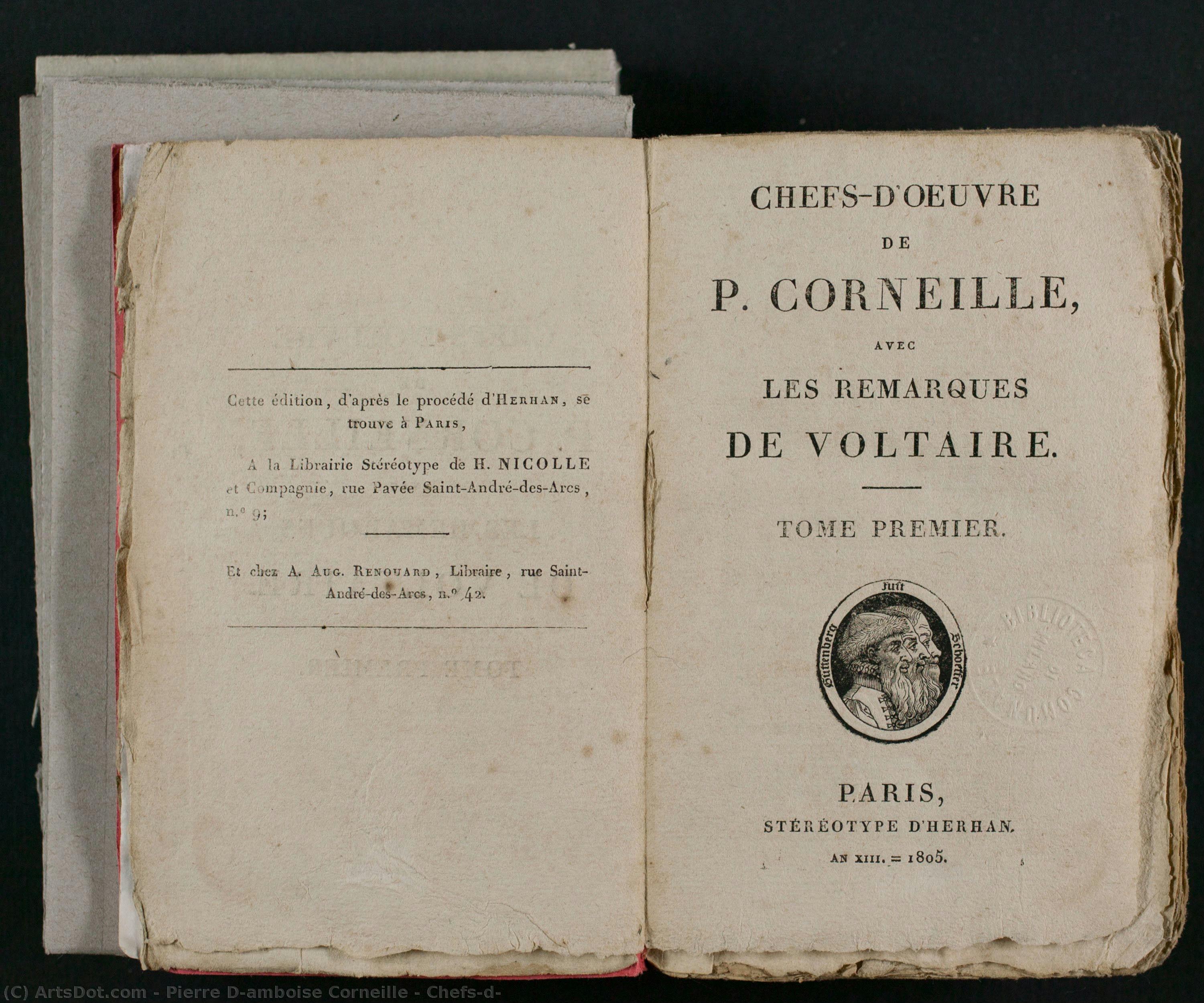
Chefs-d

 Читать далее
Приобретите цифровое изображение высокого разрешения в улучшенном качестве, которое значительно превосходит онлайн-превью.
Каждый файл тщательно подготавливается нашими специалистами с использованием передовых инструментов и экспертной ручной ретуши. Мы гарантируем исключительную четкость, точную цветопередачу и детальную проработку каждого изображения.
Финальный файл доставляется по электронной почте в течение 72 часов и оптимизирован для немедленного использования в профессиональной среде, при верстке и печати. Это тот же уровень качества, которому доверяют ведущие дизайнерские студии, издательства и галереи.
Цифровое изображение
Скачайте файл высокого разрешения для личного использования, печати и творческих проектов. ( Перейти к печати Купить картину ручной работы)
Включено в каждый заказ цифровых изображений
Гарантия экспертной цифровой доставки
Выбирая ArtsDot.com, вы получаете не просто изображение — вы приобретаете профессионально обработанное цифровое произведение искусства, созданное с безупречной точностью и под защитой гарантии качества. Вот всё, что автоматически входит в ваш заказ:

Мгновенная доставка по e-mail
Ваш цифровой файл в высоком разрешении будет отправлен вам по электронной почте в течение 72 часов после оформления заказа — и сразу станет доступен для использования.

Цифровой файл с ИИ-улучшением
Ваше произведение искусства проходит профессиональную оптимизацию с использованием передовых инструментов ИИ и ручной обработки, что гарантирует максимальную детализацию, четкость и точность цветопередачи.

Бессрочная бесплатная повторная доставка
Случайно удалили или потеряли файл? Не беспокойтесь — мы отправим его вам повторно в любое время и совершенно бесплатно.

Без импортных пошлин — навсегда
Наслаждайтесь вашим произведением искусства мгновенно без таможенных пошлин, сборов или затрат на доставку — цифровые загрузки всегда не облагаются налогом.

Гарантия точности цветопередачи
Мы гарантируем, что ваше цифровое изображение максимально точно передает оригинальные цвета благодаря использованию профессиональных инструментов и систем управления цветом.

Гарантия удовлетворенности 100 дней
Если вы не будете удовлетворены своим цифровым изображением, мы внесем правки или вернем 100% стоимости в течение 100 дней — без лишних вопросов.

100% Гарантия возврата средств
Не удовлетворены покупкой? Получите полный возврат средств в течение 100 дней после получения цифрового файла — без лишних вопросов.

Скидки на оптовые заказы
Купите 3 изображения, сэкономьте 10% — Купите 5, сэкономьте 15% — Купите 10+, сэкономьте 20%. Отличное решение для творческих проектов, галерей и агентств.
Похожие произведения









Биография художника
A Life Dedicated to the Stage: Pierre Corneille and the Birth of French Classical Tragedy
Pierre Corneille, born in Rouen, France, on June 6, 1606, stands as a monumental figure in the history of French literature. He wasn’t merely a playwright; he was an architect of dramatic form, credited with establishing classical tragedy within the vibrant cultural landscape of 17th-century France. His life, though marked by periods of both acclaim and controversy, unfolded against a backdrop of evolving artistic tastes and powerful political forces, all of which profoundly shaped his enduring legacy.
Corneille’s upbringing was steeped in privilege and intellectual rigor. His father, Pierre Corneille, was a respected lawyer, and the family enjoyed a comfortable position within Norman society. This afforded young Pierre access to an excellent education at the Jesuit Collège de Bourbon (now Lycée Pierre-Corneille), where he excelled in Latin verse composition and developed a keen understanding of rhetoric – skills that would later prove invaluable in his dramatic endeavors. While initially trained for a legal career, following in his father’s footsteps, Corneille found himself irresistibly drawn to the world of theatre.
Early Successes and the Tumultuous Reception of *Le Cid*
His initial foray into playwriting came with *Mélite* (1629), a witty comedy that unexpectedly captured the Parisian audience’s imagination. This early success provided the impetus for a prolific period, during which Corneille produced a series of comedies and tragicomedies – works like *Clitandre*, *La Veuve*, and *La Galerie du Palais*. However, it was *Le Cid* (1637) that irrevocably cemented his place in literary history, albeit amidst considerable uproar. The play, based on a Spanish story of love, honor, and duty, resonated deeply with audiences but ignited a fierce debate known as the *Querelle du Cid*. Critics, adhering to strict classical principles, found fault with its deviations from established dramatic unities – time, place, and action – and questioned its moral implications. The Académie française, newly formed under Cardinal Richelieu’s patronage, formally denounced the play, accusing it of lacking decorum and violating theatrical conventions.
Navigating Patronage and Artistic Independence
The controversy surrounding *Le Cid* was not simply a matter of artistic style; it reflected a power struggle within the French court. Cardinal Richelieu had been actively promoting classical tragedy as a means of enhancing France’s cultural prestige, but he envisioned a more controlled and disciplined form than what Corneille offered. Initially enjoying Richelieu's support, Corneille found himself at odds with the cardinal after the play’s reception. This experience instilled in him a strong sense of artistic independence, even as he continued to seek patronage and navigate the complex political landscape of the time. He briefly withdrew from public life following the *Querelle*, but eventually returned to writing, producing tragedies such as *Horace* (1640) and *Cinna* (1641), which demonstrated a greater adherence to classical principles while still retaining his distinctive dramatic flair.
Themes of Duty, Honor, and Moral Conflict
Corneille’s plays are characterized by their exploration of profound moral dilemmas. He consistently grappled with the tension between personal desires and societal obligations, often portraying characters torn between love and duty, passion and reason. His heroes are frequently defined by a strong sense of honor, but they also confront difficult choices that challenge conventional notions of virtue. This focus on internal conflict and psychological realism set his work apart from earlier dramatic traditions. He wasn’t interested in simply presenting idealized figures; he sought to portray the complexities of human nature and the struggles inherent in making ethical decisions.
A Lasting Legacy: The Father of French Classical Tragedy
Despite facing periods of fluctuating popularity, Corneille continued to write well-received tragedies for nearly four decades. His later works, including *Polyeucte* (1643) and *Sertorius* (1662), further refined his dramatic style and solidified his reputation as a master playwright. He died in Paris on October 1, 1684, leaving behind a body of work that profoundly influenced subsequent generations of French dramatists, including Jean Racine and Molière. Corneille’s contribution extends beyond the specific plays he wrote; it lies in his establishment of classical tragedy as a dominant force in French theatre. He not only shaped the form but also imbued it with a uniquely French sensibility – one that emphasized reason, order, and the exploration of moral complexities. His legacy continues to resonate today, reminding us of the enduring power of drama to illuminate the human condition.
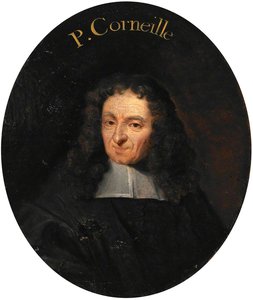
pierre d'amboise corneille
1606 - 1684 , France
Основные сведения
- Artistic Movement Or Style: Classical tragedy
- Artists Or Movements Influenced By This Artist:
- Molière
- Racine
- Date Of Birth: June 6, 1606
- Date Of Death: October 1, 1684
- Full Name: Pierre Corneille
- Nationality: French
- Notable Artworks:
- Le Cid
- Horace
- Cinna
- Polyeucte
- Place Of Birth: Rouen, France