

 Предпросмотр
 Поделиться
 Поделиться
 Детали произведения

 Скачать
 Похожие работы
 Рентгенография
 Слайд-шоу
 Статистика
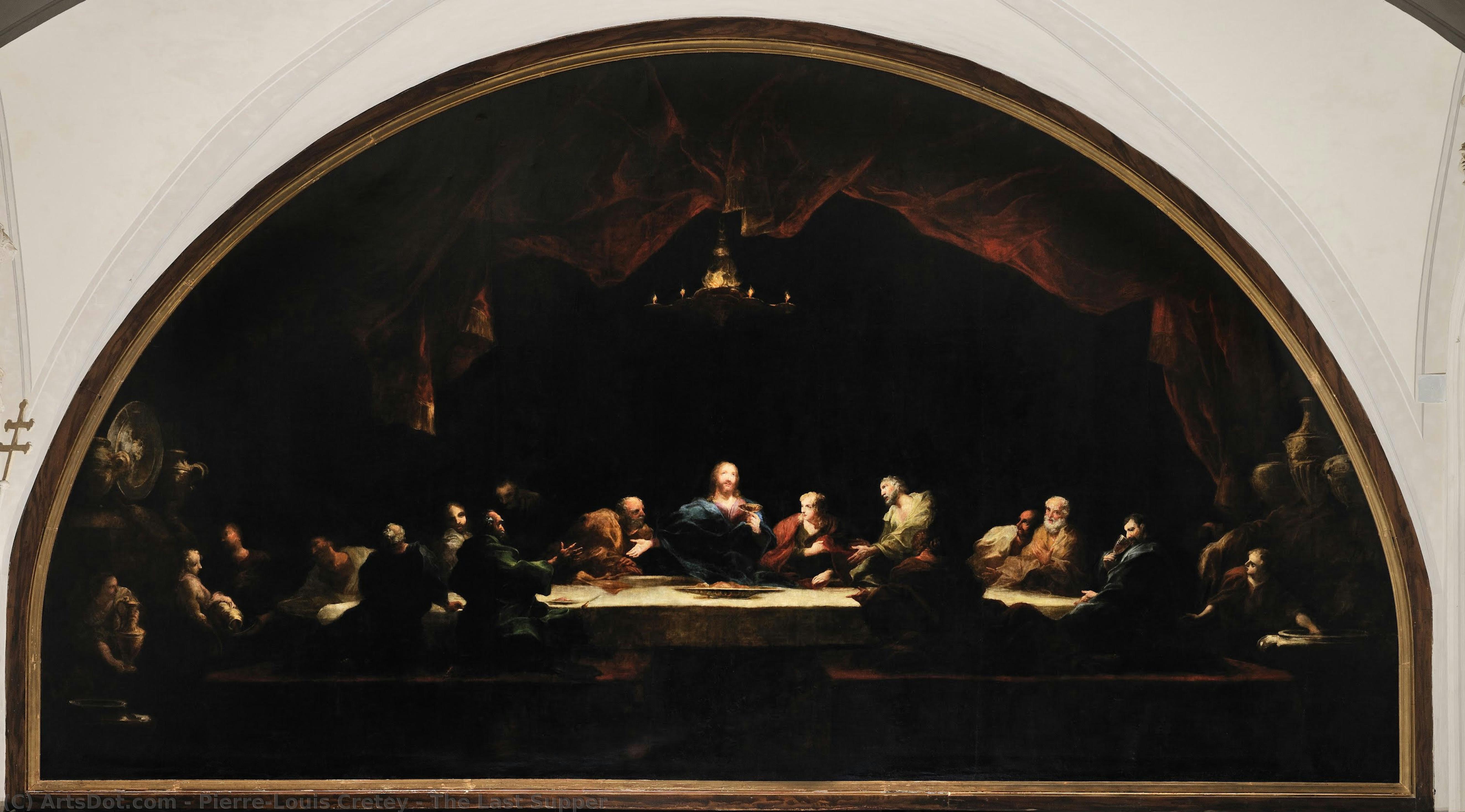
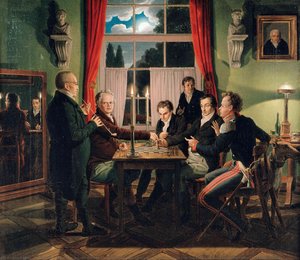
The Last Supper


 Читать далее
Приобретите цифровое изображение высокого разрешения в улучшенном качестве, которое значительно превосходит онлайн-превью.
Каждый файл тщательно подготавливается нашими специалистами с использованием передовых инструментов и экспертной ручной ретуши. Мы гарантируем исключительную четкость, точную цветопередачу и детальную проработку каждого изображения.
Финальный файл доставляется по электронной почте в течение 72 часов и оптимизирован для немедленного использования в профессиональной среде, при верстке и печати. Это тот же уровень качества, которому доверяют ведущие дизайнерские студии, издательства и галереи.
Цифровое изображение
Скачайте файл высокого разрешения для личного использования, печати и творческих проектов. ( Перейти к печати Купить картину ручной работы)
Включено в каждый заказ цифровых изображений
Гарантия экспертной цифровой доставки
Выбирая ArtsDot.com, вы получаете не просто изображение — вы приобретаете профессионально обработанное цифровое произведение искусства, созданное с безупречной точностью и под защитой гарантии качества. Вот всё, что автоматически входит в ваш заказ:

Мгновенная доставка по e-mail
Ваш цифровой файл в высоком разрешении будет отправлен вам по электронной почте в течение 72 часов после оформления заказа — и сразу станет доступен для использования.

Цифровой файл с ИИ-улучшением
Ваше произведение искусства проходит профессиональную оптимизацию с использованием передовых инструментов ИИ и ручной обработки, что гарантирует максимальную детализацию, четкость и точность цветопередачи.

Бессрочная бесплатная повторная доставка
Случайно удалили или потеряли файл? Не беспокойтесь — мы отправим его вам повторно в любое время и совершенно бесплатно.

Без импортных пошлин — навсегда
Наслаждайтесь вашим произведением искусства мгновенно без таможенных пошлин, сборов или затрат на доставку — цифровые загрузки всегда не облагаются налогом.

Гарантия точности цветопередачи
Мы гарантируем, что ваше цифровое изображение максимально точно передает оригинальные цвета благодаря использованию профессиональных инструментов и систем управления цветом.

Гарантия удовлетворенности 100 дней
Если вы не будете удовлетворены своим цифровым изображением, мы внесем правки или вернем 100% стоимости в течение 100 дней — без лишних вопросов.

100% Гарантия возврата средств
Не удовлетворены покупкой? Получите полный возврат средств в течение 100 дней после получения цифрового файла — без лишних вопросов.

Скидки на оптовые заказы
Купите 3 изображения, сэкономьте 10% — Купите 5, сэкономьте 15% — Купите 10+, сэкономьте 20%. Отличное решение для творческих проектов, галерей и агентств.
Похожие произведения






Биография художника
A Life Immersed in Baroque Splendor: The World of Louis Cretey
Louis Cretey, born as Pierre-Louis Cretey around 1635 in the vibrant city of Lyon, France, stands as a compelling figure within the French Baroque landscape. While biographical details remain somewhat elusive, piecing together the fragments reveals an artist deeply engaged with the artistic currents of his time and a pivotal master of the Lyonnaise school. Unlike many painters whose trajectories are meticulously documented, Cretey’s story unfolds through the works he left behind – grand altarpieces, dynamic history paintings, and collaborative decorative schemes that speak volumes about his skill and ambition. His career wasn't confined to one location; it was a journey across Italy and back, absorbing influences and refining his style before establishing himself as a leading force in Lyon’s artistic community. The fact that he continued living after 1702 suggests a long and productive life dedicated to the pursuit of art, though details beyond this point are scarce.From Rome to Parma: An Italian Apprenticeship
The early formative years of Cretey's artistic development were significantly shaped by his extended sojourn in Italy. Records indicate he was present in Rome from 1661 to 1679, a period crucial for any aspiring French artist seeking mastery. This wasn’t merely a physical relocation; it was an immersion into the heart of Baroque painting. While specific teachers remain unconfirmed, Cretey undoubtedly studied the works of masters like Caravaggio, Guercino, and the Carracci brothers – artists who championed dramatic lighting, emotional intensity, and dynamic compositions. The influence of these Italian giants is subtly woven into his early work, evident in a growing command of *tenebrism* (the use of strong contrasts between light and dark) and a developing ability to portray complex narratives with compelling realism. His travels didn’t end in Rome; he also spent time in Modena and Parma, further broadening his artistic horizons and refining his technique. These Italian experiences were not simply about imitation but rather a process of assimilation – Cretey absorbed the best elements of Baroque painting while forging his own distinct style.The Lyonnaise School: A Flourishing Career
Upon returning to France, Cretey settled in Lyon and quickly rose to prominence as a history painter. The 1680s marked the beginning of his renown, with commissions for altarpieces steadily increasing. His *Road to Emmaus* (located in Lyon’s Sainte Blandine church) stands as an early testament to his mature style – a powerful depiction of religious narrative imbued with emotional depth and technical skill. However, Cretey wasn't solely a solitary practitioner; he formed a significant collaborative partnership with Thomas Blanchet, becoming his main collaborator on numerous decorative projects. This collaboration was particularly fruitful in the Palais de Roanne (now the Palais de Justice), where they worked together to create elaborate schemes that showcased their combined talents. The nature of these collaborations suggests Cretey possessed not only artistic brilliance but also strong organizational and collaborative skills – essential qualities for undertaking large-scale decorative commissions. He became a central figure within the Lyonnaise school, influencing a generation of artists with his dynamic compositions and masterful use of color.Style and Symbolism: Defining Characteristics
Cretey’s artistic style is characterized by a robust Baroque sensibility tempered by a distinctly French elegance. His paintings are marked by dramatic lighting, expressive figures, and carefully constructed compositions designed to evoke emotional responses in the viewer. He excelled at portraying complex narratives, often drawing inspiration from religious themes and historical events. The use of color is particularly noteworthy – rich, saturated hues that contribute to the overall sense of grandeur and drama. Beyond technical skill, Cretey’s work reveals a subtle understanding of symbolism. His altarpieces, for example, are not merely depictions of biblical scenes but rather carefully constructed theological statements designed to inspire piety and devotion. The Road to Emmaus, for instance, is replete with symbolic details that enhance the narrative's spiritual meaning – from the broken bread representing the Eucharist to the gestures of recognition among the disciples. His ability to seamlessly integrate symbolism into his compositions elevates his work beyond mere representation, transforming it into a powerful form of visual storytelling.Historical Significance and Legacy
Louis Cretey’s significance lies in his role as a key figure within the Lyonnaise school – a regional center of artistic innovation that flourished during the 17th century. He helped to establish Lyon as an important hub for Baroque painting, attracting artists from across France and beyond. His collaborative work with Thomas Blanchet demonstrates the importance of artistic partnerships in shaping the aesthetic landscape of the period. While not as widely recognized as some of his contemporaries in Paris, Cretey’s influence on local artists was profound.- His mastery of history painting
- His skill in creating altarpieces
- His ability to blend Italian influences with a distinctly French sensibility
