

 Поделиться
 Поделиться
 Детали произведения

 Скачать
 Похожие работы
 Слайд-шоу
 Статистика
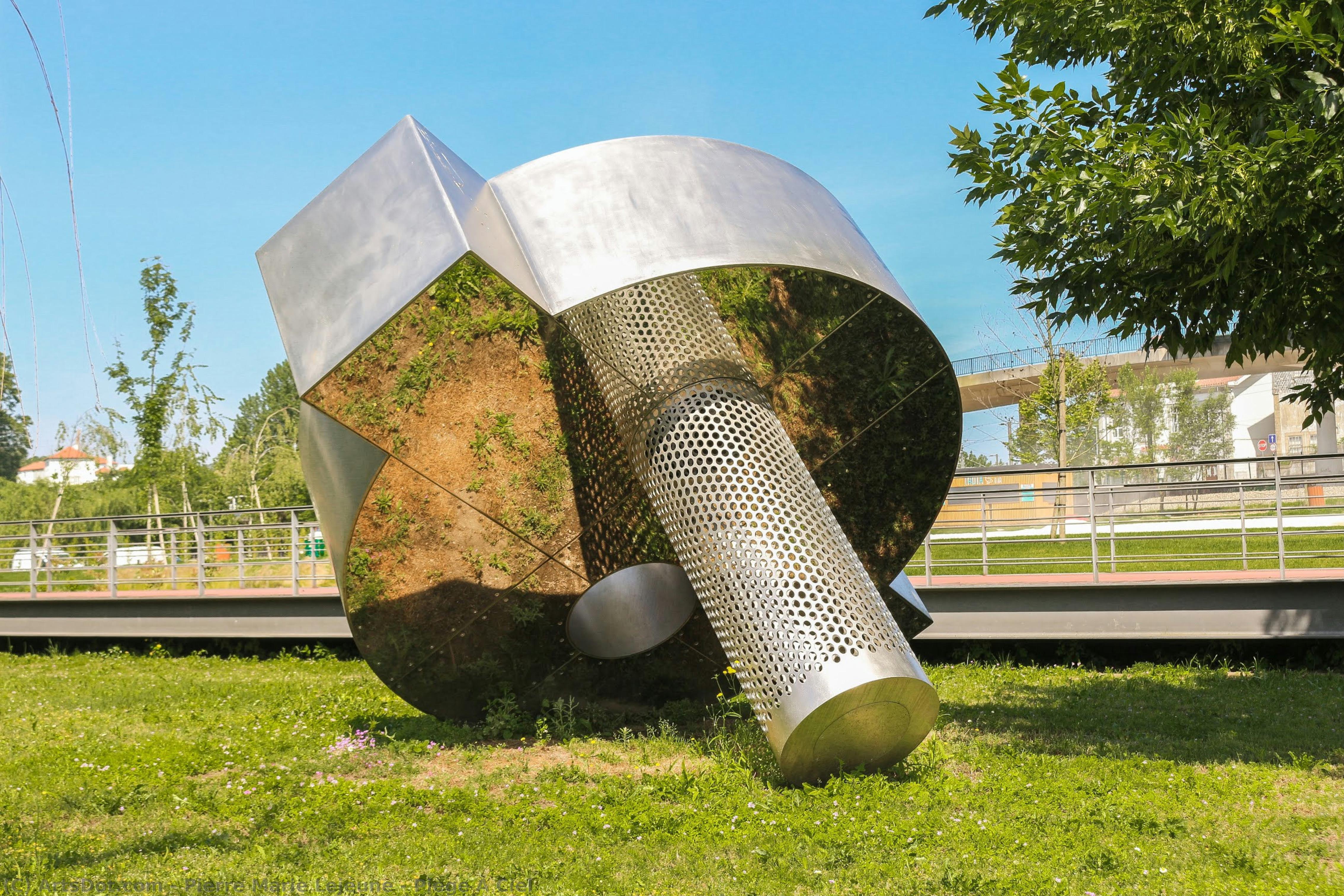
Piège À Ciel


 Читать далее
Масляная репродукция ручной работы
Картина маслом на холсте в выбранном вами размере и раме, написанная на заказ нашими художниками. ( Перейти к печати Перейти к цифровым изображениям)




































Выберите один из наших стандартных размеров, соответствующих оригинальным пропорциям произведения искусства.

Вы можете указать собственные размеры, чтобы картина идеально вписалась в выбранную раму или пространство. Если выбранный вами размер не соответствует пропорциям оригинала, мы либо обрежем полотно, либо расширим его за счет дополнительных элементов, написанных вручную. Цифровой макет будет отправлен вам на утверждение перед началом производства.
Обратите внимание, что предварительный просмотр на экране не отражает фактическую обрезку или расширение. Только макет точно покажет окончательную композицию.
Хотя доступны индивидуальные размеры, мы рекомендуем выбирать вариант из предопределенного списка, чтобы сохранить исходные пропорции.
После оформления заказа команда ArtsDot.com свяжется с клиентом по электронной почте для уточнения деталей и предоставит предварительный макет
Доставка по всему миру () за 3–4 недели вместо стандартных 5 недель. (11 Сентябрь). Без компромиссов в качестве.

Бесплатная экспресс-доставка по всему миру

Высококачественный льняной холст

Полное страхование доставки

Гарантия возмещения таможенных пошлин

Гарантия точного соответствия цветов

100-дневная политика возврата (только при обнаружении дефектов)

Гарантия возврата 100% средств

Предложение оптовых скидок
 Вариант со стеклом доступен только для размеров менее 110 см

Piège À Ciel
Техника репродукции
Размер репродукции
-


Итоговая стоимость
$ 263
A Symphony of Steel and Sky
In the quiet intersection where modern minimalism meets the boundless expanse of the atmosphere, Pierre Marie Lejeune’s Piège À Ciel stands as a profound meditation on form and light. Created in 2015, this monumental sculpture is far more than a mere arrangement of metal; it is an architectural dialogue between the terrestrial and the celestial. The piece, which translates literally to "Sky Trap," functions as a sophisticated instrument designed to capture, frame, and manipulate the very essence of the heavens. Through its intricate assembly of cylinders, spheres, and polished flat surfaces, the work invites the viewer to pause and witness the ephemeral beauty of passing clouds and shifting sunlight, frozen momentarily within its silvered geometry.
The sculpture’s aesthetic is rooted in a clean, contemporary language that emphasizes balance and structural integrity. Utilizing high-grade steel, Lejeune employs a reflective technique that allows the metallic skin to mirror the surrounding environment, effectively dissolving the boundaries between the solid object and the organic world. As light strikes the various geometric planes, it creates a rhythmic interplay of highlights and shadows, lending the sculpture a dynamic quality that changes with every passing hour of the day. This mastery of material ensures that the artwork is never static; it breathes with the rhythm of the weather, becoming a luminous centerpiece that commands attention in any outdoor garden or curated public installation.
The Art of Urban Reflection
To understand Piège À Ciel, one must look to the artistic lineage of Pierre Marie Lejeune himself. Born in Paris, Lejeune has spent his career investigating how sculpture can act as an "urban echo," resonating with the structures and spaces we inhabit. His work is deeply informed by a commitment to materials like steel and glass—elements that possess an inherent ability to capture light and water. In this specific piece, the artist utilizes the industrial strength of steel to create a sense of permanence, while simultaneously using its reflective properties to achieve a weightless, ethereal effect. This duality creates a captivating tension: the sculpture is physically heavy and grounded on the earth, yet visually light and integrated with the sky.
For the discerning collector or interior designer, this work offers an unparalleled opportunity to introduce a sense of sophisticated tranquility into a space. Whether envisioned as a focal point in a lush, private landscape or as a conceptual inspiration for modern architectural design, Piège À Ciel evokes a feeling of serene contemplation. It serves as a reminder of the beauty found in precision and the profound impact of minimalist elegance. Owning a high-quality reproduction of such a masterpiece allows one to bring the expansive, meditative spirit of Lejeune’s outdoor installations into the intimate realm of fine art appreciation, celebrating the eternal dance between man-made brilliance and the natural world.
Похожие произведения
Биография художника
Pierre Marie Lejeune: Sculpting the Urban Echo
Born in Paris in 1954, Pierre Marie Lejeune’s artistic journey is one of deliberate exploration – a patient investigation into the relationship between form, light, and the very fabric of our urban environments. His work isn't merely about creating sculptures; it’s about engaging with space itself, inviting viewers to become part of an intricate dialogue between the artwork and its surroundings. Lejeune’s career has been marked by a consistent commitment to materials – primarily steel and glass – that possess inherent reflective qualities, allowing him to capture and manipulate light in ways that are both visually arresting and conceptually profound.
Lejeune's early life instilled within him a deep appreciation for design and craftsmanship. His formative years were punctuated by the prestigious Villa Médicis Hors les Murs scholarship, a pivotal moment that provided him with invaluable resources and exposure to a network of influential artists and curators. This experience solidified his artistic vision and established him as a significant voice in contemporary sculpture. It was during this period that he began to develop his signature style – monumental works often integrated seamlessly into the urban landscape, transforming familiar spaces into contemplative environments.
The Language of Reflection
At the heart of Lejeune’s artistic practice lies a fascination with light and its interaction with reflective surfaces. He meticulously chooses materials—polished steel, shimmering glass—that act as mirrors, not just reflecting the external world but also subtly altering our perception of ourselves within it. This isn't simply about creating beautiful images; it’s about prompting introspection. As he himself describes, his sculptures are “a poetic writing that appeals to other fields of perception instead of the rational field which is related to vocabulary, etymology and language.”
His technique is characterized by a deliberate restraint. Lejeune avoids excessive ornamentation or embellishment, preferring to allow the inherent qualities of the materials – their texture, color, and reflective properties – to speak for themselves. He approaches his work with a sculptor’s sensitivity, carefully considering how each element contributes to the overall harmony and balance of the piece. This understated approach belies a profound understanding of composition and spatial relationships.
Notable Works: Echoes in Steel and Glass
Among Lejeune's most celebrated creations is *Piège à Ciel* (Cage of Sky), located at the ISCAP – Porto Accounting and Business School in São Mamede de Infesta, Portugal. This monumental steel sculpture, frequently featured on platforms like ArtsDot, exemplifies his signature style—a harmonious blend of industrial materials and natural light. The sculpture’s reflective surfaces create an illusion of depth, blurring the boundaries between interior and exterior space, and inviting viewers to contemplate their place within the urban environment.
Beyond *Piège à Ciel*, Lejeune's work has been exhibited extensively across Europe and beyond. His sculptures have graced the halls of prestigious institutions such as the Seoul Art Center in South Korea and the Suzhou Center in China, demonstrating a global recognition of his innovative approach to sculpture. His commitment to public art is evident in numerous installations within urban spaces, transforming familiar locations into moments of quiet contemplation.
A Sculptor’s Alphabet
Lejeune often refers to his sculptures as forming an “imaginary alphabet,” a collection of shapes and forms that transcend the limitations of traditional language. He describes them not as letters meant to be combined, but as poetic expressions designed to engage with perception beyond the purely rational. This concept is beautifully illustrated in works like *Chaise Zazou*, a design piece from 1990, which continues to inspire and influence his practice.
His work has been recognized by institutions such as Galerie Messine and Galerie La Patinoire Royale Bach, highlighting his continued relevance within the contemporary art world. The artist’s dedication to exploring the interplay of light, material, and space ensures that Pierre Marie Lejeune remains a vital voice in shaping our understanding of sculpture's potential.
Discovering the Artist
For further information about Pierre Marie Lejeune and to view more of his captivating works, including *Piège à Ciel*, please visit ArtsDot. You can also explore his official website at https://pierremarielejeune.com/.
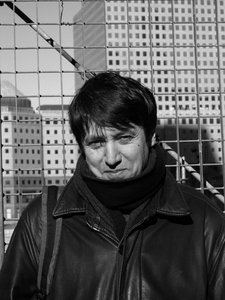
Pierre Marie Lejeune
1954 - , France
Основные сведения
- Artistic Movement Or Style: Monumental sculpture
- Date Of Birth: 1954
- Full Name: Pierre Marie Lejeune
- Nationality: French
- Notable Artworks:
- Piège à ciel
- Chaise Zazou
- Place Of Birth: Paris, France
Похожие статьи

10 легендарных бронзовых скульптур, изменивших искусство навсегда | ArtsDot
Погрузитесь в мир великих бронзовых скульптур! От Давида Микеланджело до работ Родена – история искусства, техники и вдохновения. Купите репродукции шедевров для вашего интерьера на ArtsDot.com
Beyond Form & Color: Geometric Abstraction's Evolution in 20th/21st Century Art
Explore the evolution of geometric abstraction from Cubism to contemporary art. Discover key artists like Malevich & Mondrian, investment insights, and expert collecting advice at ArtsDot.

Геометрическая абстракция: 10 шедевров, изменивших искусство | ArtsDot.com
Погрузитесь в мир геометрической абстракции! От Кандинского до Малевича – 10 шедевров, изменивших искусство. Узнайте историю создания и значение культовых картин. Репродукции музейного качества на ArtsDot.com. Вдохновение для вашего интерьера!
Фернан Леже: Топ-25 шедевров кубизма для ценителей искусства и декора интерьера
Погрузитесь в мир Фернана Леже! Топ-25 шедевров кубизма, раскрывающих машинную эстетику и новаторский стиль художника. Репродукции картин высокого качества для вашего интерьера. Откройте всю коллекцию на ArtsDot.com
Топ-25 шедевров Василия Кандинского: Абстрактное искусство для вашего интерьера
Погрузитесь в мир абстрактного искусства с Василием Кандинским! 25 шедевров экспрессионизма, баухауса и русского авангарда. Репродукции картин Кандинского для вдохновения и декора вашего интерьера. Откройте всю коллекцию на ArtsDot.com