


 Предпросмотр
 Поделиться
 Поделиться
 Детали произведения

 Скачать
 Похожие работы
 Рентгенография
 Слайд-шоу
 Статистика
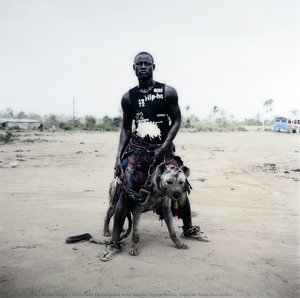
Casmiar Onyenwe, Enugu, Nigeria
 110.0 x 110.0 cm
 Читать далее
Приобретите цифровое изображение высокого разрешения в улучшенном качестве, которое значительно превосходит онлайн-превью.
Каждый файл тщательно подготавливается нашими специалистами с использованием передовых инструментов и экспертной ручной ретуши. Мы гарантируем исключительную четкость, точную цветопередачу и детальную проработку каждого изображения.
Финальный файл доставляется по электронной почте в течение 72 часов и оптимизирован для немедленного использования в профессиональной среде, при верстке и печати. Это тот же уровень качества, которому доверяют ведущие дизайнерские студии, издательства и галереи.
Цифровое изображение
Скачайте файл высокого разрешения для личного использования, печати и творческих проектов. ( Перейти к печати Купить картину ручной работы)
Включено в каждый заказ цифровых изображений
Гарантия экспертной цифровой доставки
Выбирая ArtsDot.com, вы получаете не просто изображение — вы приобретаете профессионально обработанное цифровое произведение искусства, созданное с безупречной точностью и под защитой гарантии качества. Вот всё, что автоматически входит в ваш заказ:

Мгновенная доставка по e-mail
Ваш цифровой файл в высоком разрешении будет отправлен вам по электронной почте в течение 72 часов после оформления заказа — и сразу станет доступен для использования.

Цифровой файл с ИИ-улучшением
Ваше произведение искусства проходит профессиональную оптимизацию с использованием передовых инструментов ИИ и ручной обработки, что гарантирует максимальную детализацию, четкость и точность цветопередачи.

Бессрочная бесплатная повторная доставка
Случайно удалили или потеряли файл? Не беспокойтесь — мы отправим его вам повторно в любое время и совершенно бесплатно.

Без импортных пошлин — навсегда
Наслаждайтесь вашим произведением искусства мгновенно без таможенных пошлин, сборов или затрат на доставку — цифровые загрузки всегда не облагаются налогом.

Гарантия точности цветопередачи
Мы гарантируем, что ваше цифровое изображение максимально точно передает оригинальные цвета благодаря использованию профессиональных инструментов и систем управления цветом.

Гарантия удовлетворенности 100 дней
Если вы не будете удовлетворены своим цифровым изображением, мы внесем правки или вернем 100% стоимости в течение 100 дней — без лишних вопросов.

100% Гарантия возврата средств
Не удовлетворены покупкой? Получите полный возврат средств в течение 100 дней после получения цифрового файла — без лишних вопросов.

Скидки на оптовые заказы
Купите 3 изображения, сэкономьте 10% — Купите 5, сэкономьте 15% — Купите 10+, сэкономьте 20%. Отличное решение для творческих проектов, галерей и агентств.
Похожие произведения




![Avec Mon Sac, Bagues Et Bracelets [with Bag, Rings And Bracelets] — Малик Сидибе, Documentary Photography](/media/artworks/images-thumb/e9/82/e982071b453b3ea5aa5a26bee3d39abb.jpg)
Биография художника
A Photographer of the In-Between: Pieter Hugo and the Weight of Identity
Pieter Hugo, born in Johannesburg, South Africa, in 1976, is a photographer whose work resonates with a profound sense of unease and empathy. He doesn’t offer easy narratives or picturesque representations; instead, he confronts viewers with complex portraits that grapple with issues of identity, community, and the lingering scars of history. Growing up during the tumultuous transition from Apartheid, Hugo experienced a unique disconnect—feeling deeply connected to his homeland yet perpetually positioned as an outsider within its social fabric. This sense of alienation became a driving force in his artistic practice, fueling a desire to explore the marginalized and often overlooked corners of South African society, and beyond. His early career saw him working within the film industry in Cape Town, but it was a two-year residency at Fabrica research centre in Italy that truly solidified his path as a photographic artist. This period allowed him to hone his distinctive style—a blend of studio portraiture, documentary observation, and carefully staged compositions.The Hyena and Beyond: Early Work and Emerging Themes
Hugo’s breakthrough project, The Hyena & Other Men (2007), immediately established him as a significant voice in contemporary photography. The series depicts Nigerian men who travel with hyenas or baboons, using them to perform tricks for money and, more disturbingly, to intimidate and collect debts. These images are not simply ethnographic documentation; they are deeply unsettling explorations of power dynamics, economic desperation, and the blurring lines between human and animal. Hugo’s approach is deliberately confrontational—the portraits are starkly lit, often unflinching in their gaze, forcing viewers to engage with the subjects on a visceral level. He avoids romanticizing or exoticizing his subjects, instead presenting them with a raw honesty that challenges conventional notions of representation. This project sparked considerable debate, raising questions about exploitation and the ethics of portraying vulnerable communities. However, it also garnered widespread acclaim for its artistic merit and its willingness to tackle difficult subject matter. Following this success, Hugo continued to explore similar themes in projects like Messina/Mussina (2007), which documented life on the border between Zimbabwe and South Africa, focusing on the impact of economic migration and the AIDS epidemic.Expanding Horizons: From Local Narratives to Global Concerns
Hugo’s work gradually expanded beyond the specific context of South Africa, though it never lost its underlying concern with social justice and human dignity. Nollywood (2009) offered a fascinating glimpse into the vibrant yet chaotic world of the Nigerian film industry, while Permanent Error (2011) explored the environmental consequences of electronic waste in Ghana. These projects demonstrated Hugo’s ability to connect local narratives to broader global issues—the exploitation of labor, the impact of consumerism, and the challenges of postcolonial development. He doesn't shy away from complexity; his images often reveal layers of contradiction and ambiguity, refusing easy answers or simplistic interpretations. His work is characterized by a meticulous attention to detail—from the carefully chosen backgrounds to the subtle nuances of expression on his subjects’ faces. This deliberate approach reflects his desire to create portraits that are both visually striking and intellectually engaging.1994: A Generation Defined
Perhaps one of Hugo's most poignant projects is 1994, a series focusing on children born in Rwanda and South Africa after the pivotal year marking the end of Apartheid and the Rwandan genocide. These portraits, often featuring children dressed in fanciful clothing posed within natural landscapes, are imbued with a sense of hope tempered by the weight of history. The project is deeply personal for Hugo, as 1994 was also the year he turned eighteen—a time of immense political change and personal awakening. He sought to capture the resilience and potential of this generation, while acknowledging the indelible mark left by past trauma. 1994 is not simply a celebration of new beginnings; it’s a meditation on memory, identity, and the enduring legacy of oppression.A Lasting Impact: Hugo's Historical Significance
Pieter Hugo has become one of the most influential photographers of his generation. His work challenges viewers to confront uncomfortable truths about power, privilege, and representation. He is not simply documenting reality; he is actively engaging with it—questioning its assumptions and exposing its contradictions. His influence can be seen in the work of numerous contemporary artists who are similarly grappling with issues of social justice and human dignity. Hugo’s photographs have been exhibited in major museums around the world, including the Rijksmuseum, the National Portrait Gallery in London, and the Tate Modern. He has received numerous awards and accolades for his artistic achievements, solidifying his position as a leading figure in contemporary photography. His legacy lies not only in the beauty and power of his images but also in his unwavering commitment to ethical representation and his willingness to challenge conventional norms.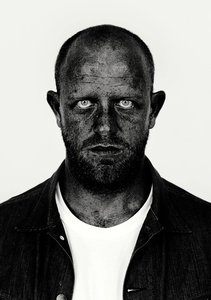
pieter hugo
1976 - , South Africa
Основные сведения
- Artistic Movement Or Style: Portraiture, Documentary
- Date Of Birth: 1976
- Full Name: Pieter Hugo
- Nationality: South African
- Notable Artworks:
- The Hyena and Other Men
- Looking Aside
- Messina/Mussina
- Nollywood
- Permanent Error
- Place Of Birth: Johannesburg, South Africa