

 Предпросмотр
 Поделиться
 Поделиться
 Детали произведения

 Скачать
 Похожие работы
 Рентгенография
 Слайд-шоу
 Статистика
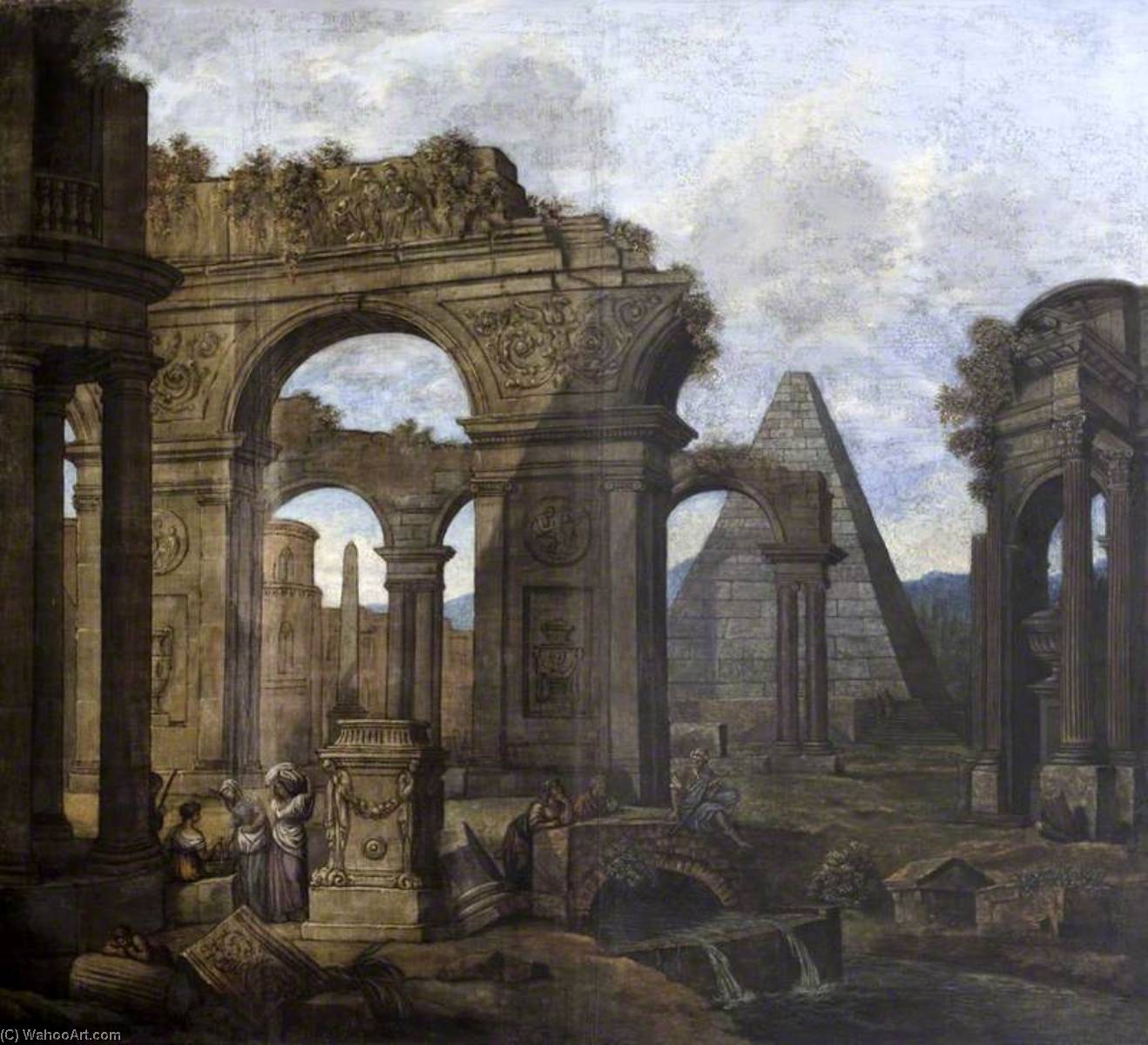
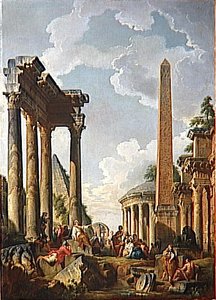
Capriccio Antique Ruins with a Pyramid
 Baroque
 1740
1740 274.0 x 300.0 cm
 National Trust
 Читать далее
Приобретите цифровое изображение высокого разрешения в улучшенном качестве, которое значительно превосходит онлайн-превью.
Каждый файл тщательно подготавливается нашими специалистами с использованием передовых инструментов и экспертной ручной ретуши. Мы гарантируем исключительную четкость, точную цветопередачу и детальную проработку каждого изображения.
Финальный файл доставляется по электронной почте в течение 72 часов и оптимизирован для немедленного использования в профессиональной среде, при верстке и печати. Это тот же уровень качества, которому доверяют ведущие дизайнерские студии, издательства и галереи.
Цифровое изображение
Скачайте файл высокого разрешения для личного использования, печати и творческих проектов. ( Перейти к печати Купить картину ручной работы)
Включено в каждый заказ цифровых изображений
Гарантия экспертной цифровой доставки
Выбирая ArtsDot.com, вы получаете не просто изображение — вы приобретаете профессионально обработанное цифровое произведение искусства, созданное с безупречной точностью и под защитой гарантии качества. Вот всё, что автоматически входит в ваш заказ:

Мгновенная доставка по e-mail
Ваш цифровой файл в высоком разрешении будет отправлен вам по электронной почте в течение 72 часов после оформления заказа — и сразу станет доступен для использования.

Цифровой файл с ИИ-улучшением
Ваше произведение искусства проходит профессиональную оптимизацию с использованием передовых инструментов ИИ и ручной обработки, что гарантирует максимальную детализацию, четкость и точность цветопередачи.

Бессрочная бесплатная повторная доставка
Случайно удалили или потеряли файл? Не беспокойтесь — мы отправим его вам повторно в любое время и совершенно бесплатно.

Без импортных пошлин — навсегда
Наслаждайтесь вашим произведением искусства мгновенно без таможенных пошлин, сборов или затрат на доставку — цифровые загрузки всегда не облагаются налогом.

Гарантия точности цветопередачи
Мы гарантируем, что ваше цифровое изображение максимально точно передает оригинальные цвета благодаря использованию профессиональных инструментов и систем управления цветом.

Гарантия удовлетворенности 100 дней
Если вы не будете удовлетворены своим цифровым изображением, мы внесем правки или вернем 100% стоимости в течение 100 дней — без лишних вопросов.

100% Гарантия возврата средств
Не удовлетворены покупкой? Получите полный возврат средств в течение 100 дней после получения цифрового файла — без лишних вопросов.

Скидки на оптовые заказы
Купите 3 изображения, сэкономьте 10% — Купите 5, сэкономьте 15% — Купите 10+, сэкономьте 20%. Отличное решение для творческих проектов, галерей и агентств.
Похожие произведения
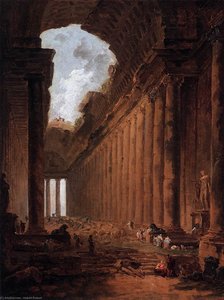
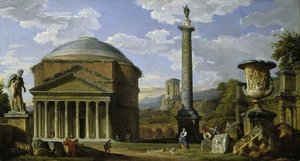
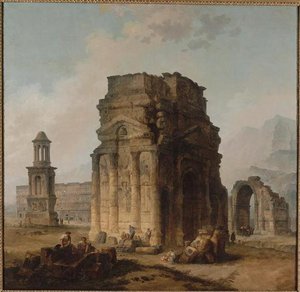
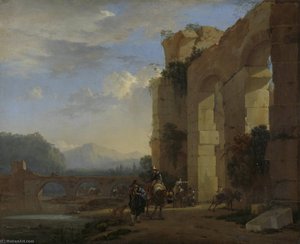
Биография художника
The Architect of Illusions: The Life and Vision of Pietro Paltronieri
In the golden twilight of the Italian Baroque, few artists possessed the ability to weave reality with fantasy as masterfully as Pietro Paltronieri. Known to his contemporaries as Il Mirandolese dalle Prospettive, he was a painter who did not merely depict landscapes but constructed entire worlds from the fragments of antiquity. Born in 1673, Paltronieri emerged from a lineage deeply rooted in the structural arts; his father, Giovanni Battista Paltronieri, was a distinguished sculptor and architect. This early immersion in the logic of stone and the geometry of space provided Pietro with a foundational understanding of form that would later allow him to manipulate architectural ruins with unparalleled precision and poetic grace.
His artistic journey was shaped by the rigorous intellectual atmosphere of Bologna and the transformative light of Rome. Under the tutelage of masters such as Giovanni Francesco Cassana and Marcantonio Chiarini, Paltronieri honed a technique that balanced the precision of disegno with the atmospheric allure of the Baroque. His training was not merely about the imitation of nature but about the mastery of quadratura—the art of illusionistic architectural painting. This skill allowed him to collaborate effectively with artists like Ercole Graziani the Younger, creating spaces that seemed to extend far beyond the physical confines of the canvas, inviting the viewer into a realm where the boundaries between the tangible and the imagined were perpetually blurred.
The Mastery of the Capriccio and the Beauty of Decay
Paltronieri’s true legacy lies in his profound contribution to the capriccio genre. While many artists of his era sought to document the grandeur of classical architecture, Paltronieri found a more haunting beauty in its dissolution. His works are characterized by atmospheric landscapes where ancient Roman ruins—broken columns, crumbling pediments, and weathered arches—serve as the protagonists of a silent drama. These were not mere depictions of wreckage; they were carefully composed fantasies that utilized the concept of time as a medium. By juxtaposing the permanence of classical forms with the ephemeral nature of light and shadow, he captured the sublime essence of decay.
The emotional resonance of his work stems from this delicate balance of elements:
- Architectural Precision: A meticulous rendering of classical structures that lends an air of historical authenticity to even his most fantastical compositions.
- Atmospheric Depth: The use of light and shadow to create a sense of vast, receding space, often evoking the hazy, nostalgic glow of a setting sun over a lost civilization.
- Narrative Mystery: The inclusion of small, often enigmatic figures that inhabit these ruins, suggesting stories of past glory and present solitude.
His movement through the major cultural hubs of Europe—from the academic traditions of Bologna to the vibrant artistic scene in Rome and eventually to Vienna—allowed his vision to permeate different corners of the continent. In each city, he brought a unique ability to evoke nostalgia for an idealized antiquity, making him a pivotal figure in the late Baroque movement.
Historical Significance and Artistic Legacy
As the 18th century progressed, the fascination with ruins and the capriccio became a cornerstone of European aesthetic taste. Paltronieri stands as a vital link in this tradition, bridging the gap between the structured architectural fantasies of the early Baroque and the more romanticized, evocative landscapes that would follow. His ability to distinguish himself from contemporaries—earning him a specific moniker to separate his perspectival mastery from other artists of his region—speaks to the singular nature of his talent.
Though his life ended in 1741, the impact of his "perspectives" remains etched in the history of landscape painting. He taught viewers how to look at the broken pieces of the past not as mere debris, but as windows into a sublime, imagined eternity. Through his brush, the ruins of Rome and Bologna were transformed into eternal monuments of the human imagination, ensuring that while the stones themselves might crumble, the vision of Pietro Paltronieri would remain structurally sound for centuries to come.
pietro paltronieri
1673 - 1741
Основные сведения
- Artistic Movement Or Style: Baroque
- Artists Or Movements Influenced By This Artist: ['Italian Baroque Art']
- Artists Who Influenced This Artist: ['Gian Lorenzo Bernini']
- Date Of Birth: 1673
- Full Name: Pietro Paltronieri
- Nationality: Italian
- Notable Artworks:
- Capriccio Antique Ruins with a Pyramid
- Capriccio Antique Ruins and a Distant Town
- Capriccio Roman Ruins at Bologna
- Place Of Birth: Rome, Italy