

 Предпросмотр
 Поделиться
 Поделиться
 Детали произведения

 Скачать
 Похожие работы
 Рентгенография
 Слайд-шоу
 Статистика
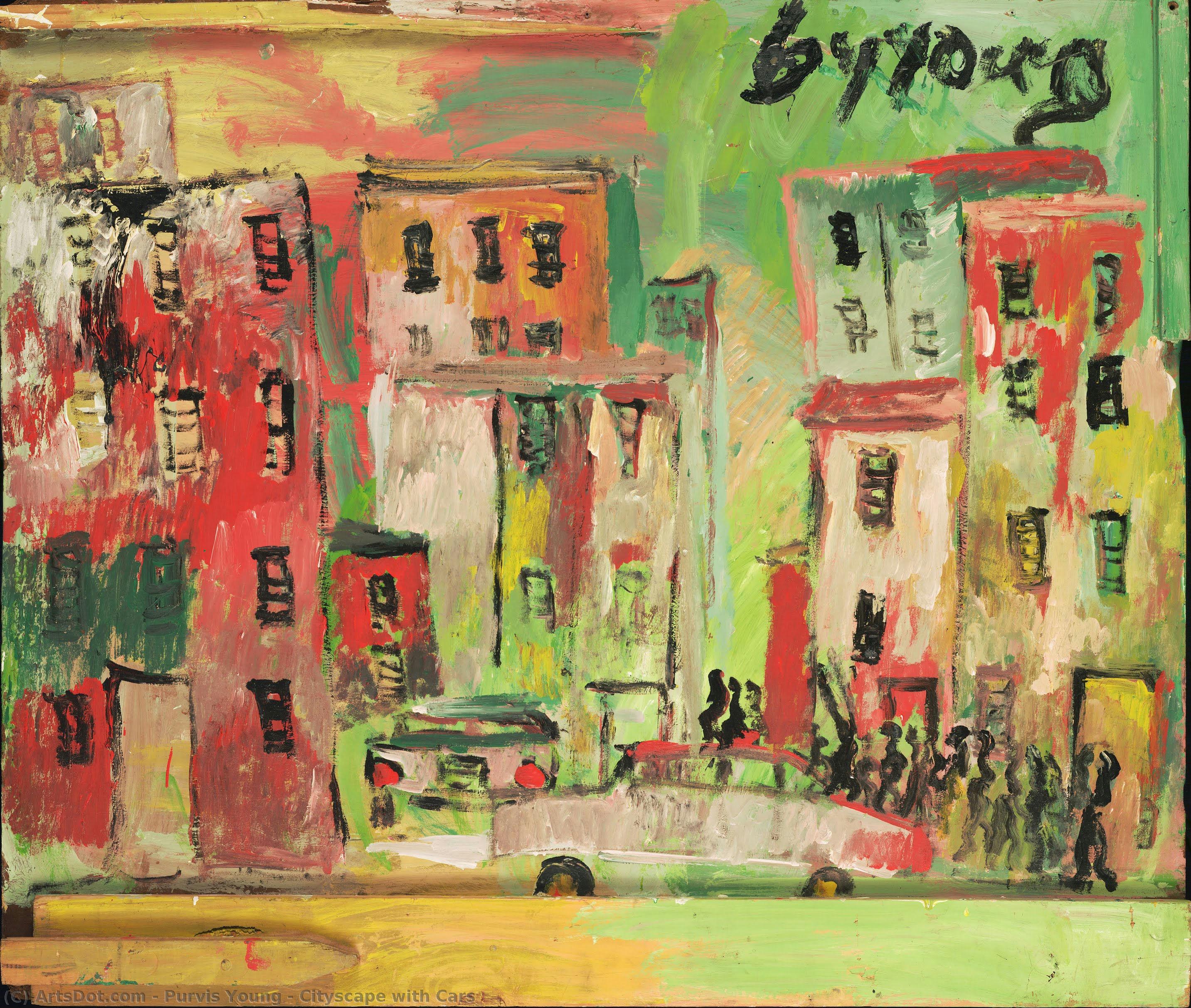
Cityscape with Cars


 Читать далее
Приобретите цифровое изображение высокого разрешения в улучшенном качестве, которое значительно превосходит онлайн-превью.
Каждый файл тщательно подготавливается нашими специалистами с использованием передовых инструментов и экспертной ручной ретуши. Мы гарантируем исключительную четкость, точную цветопередачу и детальную проработку каждого изображения.
Финальный файл доставляется по электронной почте в течение 72 часов и оптимизирован для немедленного использования в профессиональной среде, при верстке и печати. Это тот же уровень качества, которому доверяют ведущие дизайнерские студии, издательства и галереи.
Цифровое изображение
Скачайте файл высокого разрешения для личного использования, печати и творческих проектов. ( Перейти к печати Купить картину ручной работы)
Включено в каждый заказ цифровых изображений
Гарантия экспертной цифровой доставки
Выбирая ArtsDot.com, вы получаете не просто изображение — вы приобретаете профессионально обработанное цифровое произведение искусства, созданное с безупречной точностью и под защитой гарантии качества. Вот всё, что автоматически входит в ваш заказ:

Мгновенная доставка по e-mail
Ваш цифровой файл в высоком разрешении будет отправлен вам по электронной почте в течение 72 часов после оформления заказа — и сразу станет доступен для использования.

Цифровой файл с ИИ-улучшением
Ваше произведение искусства проходит профессиональную оптимизацию с использованием передовых инструментов ИИ и ручной обработки, что гарантирует максимальную детализацию, четкость и точность цветопередачи.

Бессрочная бесплатная повторная доставка
Случайно удалили или потеряли файл? Не беспокойтесь — мы отправим его вам повторно в любое время и совершенно бесплатно.

Без импортных пошлин — навсегда
Наслаждайтесь вашим произведением искусства мгновенно без таможенных пошлин, сборов или затрат на доставку — цифровые загрузки всегда не облагаются налогом.

Гарантия точности цветопередачи
Мы гарантируем, что ваше цифровое изображение максимально точно передает оригинальные цвета благодаря использованию профессиональных инструментов и систем управления цветом.

Гарантия удовлетворенности 100 дней
Если вы не будете удовлетворены своим цифровым изображением, мы внесем правки или вернем 100% стоимости в течение 100 дней — без лишних вопросов.

100% Гарантия возврата средств
Не удовлетворены покупкой? Получите полный возврат средств в течение 100 дней после получения цифрового файла — без лишних вопросов.

Скидки на оптовые заказы
Купите 3 изображения, сэкономьте 10% — Купите 5, сэкономьте 15% — Купите 10+, сэкономьте 20%. Отличное решение для творческих проектов, галерей и агентств.
The Pulse of the Pavement: A Journey Through Purvis Young’s Urban Vision
In the vibrant, chaotic, and deeply soulful 1987 masterpiece, Cityscape with Cars, we are invited to step directly into the rhythmic heartbeat of an urban landscape. This work by the legendary self-taught visionary Purvis Young is far more than a mere depiction of traffic; it is a visceral capture of life in motion. The canvas teems with the energy of a street caught in a moment of perpetual transit, where cars, trucks, and pedestrians converge in a choreographed dance of daily survival and community existence. To gaze upon this piece is to feel the heat of the asphalt and the restless spirit of a city that never truly sleeps.
Young’s technique serves as the perfect conduit for such raw, unbridors energy. Eschewing the polished perfection of academic realism, he employs a style that feels urgent and immediate. The brushwork is thick with intention, layering colors in a way that suggests the grit and grime of the street alongside the flickering lights of passing vehicles. This approach creates a textured, almost tactile experience for the viewer, where the boundaries between the mechanical—the heavy trucks and sleek cars—and the human—the wandering pedestrians—begin to blur into a singular, cohesive tapestry of urban life. For the collector, this piece offers a profound sense of movement that breathes life into any gallery or private collection.
Beyond the surface level of a busy intersection, Cityscape with Cars carries the heavy, beautiful weight of historical and social context. Born from the streets of Miami’s Overtown and Liberty City, Young’s work is an autodidactic triumph, reflecting a life shaped by both struggle and profound observation. The inclusion of mundane details, such as a solitary fire hydrant or the silhouettes of people on the sidewalk, elevates the painting from a simple landscape to a poignant social document. These elements symbolize the resilience of the community; they are the anchors of reality amidst the swirling motion of the cityscape.
For interior designers and art enthusiasts seeking to infuse a space with character, this reproduction offers an unparalleled emotional depth. It is a conversation piece that demands attention, providing a focal point that is both intellectually stimulating and visually arresting. Whether placed in a modern loft to provide a sense of gritty sophistication or in a more traditional setting to act as a window into a different world, the painting radiates an aura of authenticity. It is an invitation to contemplate the beauty found within the bustle, reminding us that even in the most crowded streets, there is a profound, singular poetry waiting to be discovered.
Похожие произведения
Биография художника
A Life Forged in Overtown: The Story of Purvis Young
Purvis Young’s art wasn't born in a sterile studio, but rather emerged directly from the vibrant, chaotic heart of Miami’s Overtown neighborhood—a place he didn’t merely depict on canvas, but truly *lived* and breathed. Born in Liberty City in 1943, his journey was one defined by a relentless pursuit of self-discovery, fueled by hardship, keen observation, and an unwavering commitment to translating the very soul of his community onto any surface available to him. He wasn’t formally trained as an artist; his education stemmed from an immersive engagement with art books during a period of incarceration, followed by countless hours spent diligently studying at Miami's public libraries – a testament to his self-directed learning and profound dedication. This autodidactic approach became the cornerstone of his artistic identity—a deliberate rejection of established norms, mirroring the remarkable resilience inherent within Overtown itself. His early life was marked by significant challenges, including time served in prison for breaking and entering; an experience that profoundly shaped his worldview, igniting a creative fire within him and providing a unique perspective on human existence. Upon his release, he eschewed the conventional path of seeking out gallery representation or mentorships; instead, he turned inward, drawing inspiration from the decaying beauty and the palpable humanity surrounding him—a neighborhood undergoing dramatic transformation and decline.The Alchemy of Found Objects
Purvis Young’s artistic process was as singular and unconventional as his vision. He wasn't driven by a desire for pristine canvases or expensive materials; rather, he embraced the discarded remnants of Overtown – a neighborhood grappling with profound change and economic hardship. He scoured its streets for discarded wood planks, scrap metal, aged books, fragments of wallpaper, and any other object that caught his eye—items that weren’t simply *materials* to him, but imbued with the very essence of the community he sought to represent. These cast-offs were transformed into powerful assemblages through a meticulous layering process, incorporating drawings, paintings, and text in a deliberately chaotic yet strangely harmonious manner. This technique wasn't merely an exercise in resourcefulness; it was a deliberate act of reclamation—a way to give voice to those who had been forgotten and overlooked. His work frequently featured recurring motifs: horses symbolizing freedom and hope, angels representing spiritual guidance, and fragmented figures engaged in ritualistic acts – all rendered with a raw, expressive quality that conveyed both profound sorrow and unwavering optimism. The surfaces themselves were deliberately textured and distressed, mirroring the physical and emotional landscape of Overtown—a neighborhood marked by both beauty and decay. He didn’t simply paint *about* the neighborhood; he painted *with* it, incorporating its very fabric into his art, creating a tangible connection between the artist and his subject matter.Echoes of Influence and a Singular Voice
While largely self-taught, Young wasn't entirely isolated from broader artistic currents. The mural movement that gained momentum in the 1960s profoundly influenced him, inspiring him to create large-scale works directly within Overtown—transforming dilapidated walls into vibrant canvases that documented the lives and struggles of its residents. He absorbed influences from a diverse range of sources – evident in his eclectic style – yet he never simply imitated or copied existing styles. His work possesses a distinct aesthetic—a palpable energy, an arresting beauty, and a poignant social commentary that firmly distinguishes him as a unique artistic voice. Some critics have noted subtle echoes of Expressionism and Surrealism within his imagery, but these influences were filtered through the lens of his deeply personal experiences and cultural context. He wasn’t interested in replicating established styles; he was intent on forging his own visual language—one capable of capturing the complexities of urban life and the enduring spirit of resilience.Recognition and Lasting Legacy
For many years, Young's work circulated primarily within a dedicated local following – a testament to its immediate impact and undeniable power. Collectors such as Jane Fonda, Damon Wayans, Jim Belushi, and Dan Aykwood recognized the originality and emotional depth of his vision early on, providing crucial support during a period when mainstream art institutions largely overlooked him. The 2006 documentary, *Purvis of Overtown*, brought wider attention to his life and work, shedding light on his unique process and profound connection to his community. However, it was ultimately the increasing recognition from prestigious museums – including the American Folk Art Museum, the Pérez Art Museum Miami, and the Smithsonian American Art Museum – that solidified his place in art history. In 2018, he was posthumously inducted into the Florida Artists Hall of Fame—a remarkable honor recognizing his enduring impact on the state’s artistic heritage.A Chronicle of a Community
Purvis Young's significance extends far beyond mere aesthetics; his work serves as an invaluable historical document, preserving the memory of Overtown during a period of profound transformation and social upheaval. He captured not just the visual landscape of the neighborhood, but also its spirit—giving voice to those who were often marginalized and ignored by mainstream society. His art is a powerful commentary on the African American experience in the South, exploring themes of resilience, spirituality, and the persistent search for dignity and justice. Moreover, his success as a self-taught artist challenges conventional notions of artistic training, demonstrating that true creativity can flourish independently of formal institutions. He reminds us that art isn’t simply about technical skill; it's about vision, passion, and the courage to share one’s unique story—even when that story is difficult or uncomfortable. His legacy continues to inspire artists and viewers alike, urging us to look beyond superficial appearances and engage with the complexities of the world around us – a testament to the enduring power of art to illuminate the human condition.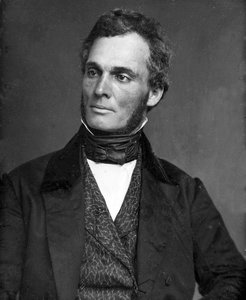
Пурвис Юнг
1943 - 2010 , Соединенные Штаты Америки
Основные сведения
- Artistic Movement Or Style: Социальное выражение
- Date Of Birth: 4 февраля 1943 г.
- Date Of Death: 20 апреля 2010 г.
- Full Name: Purvis Young
- Nationality: Американский
- Notable Artworks:
- Неизвестное (1980)
- Неизвестное (1978)
- Place Of Birth: Город Либерти-Сити, США