

 Предпросмотр
 Поделиться
 Поделиться
 Детали произведения

 Скачать
 Похожие работы
 Рентгенография
 Слайд-шоу
 Статистика
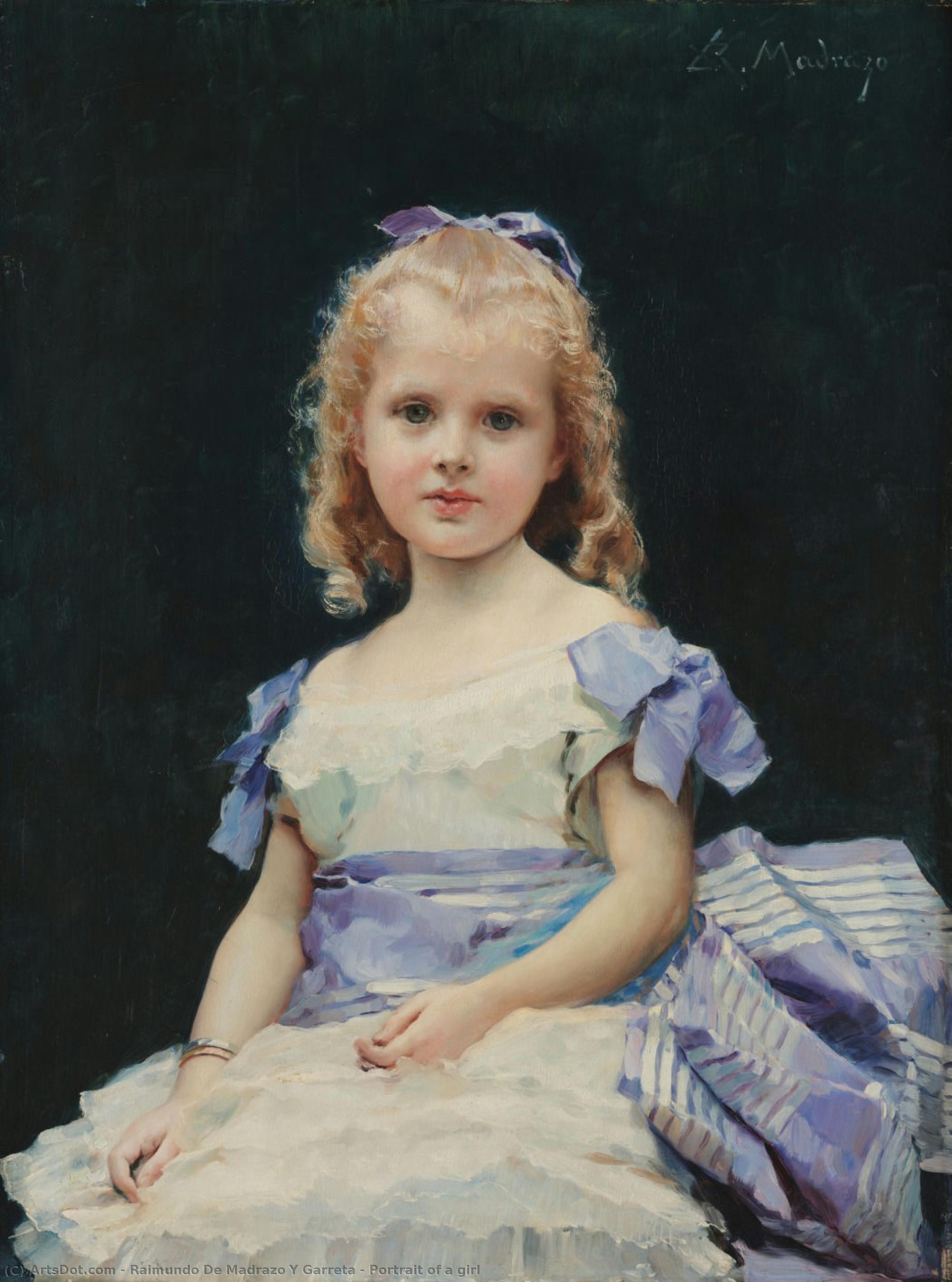
Portrait of a girl
 Oil
Oil- WallArt
- Realism
 1875
1875 80.0 x 61.0 cm
 Grão Vasco National Museum
 Читать далее
Жикле / Арт-принт
Печать (жикле) или холст музейного качества с быстрыми сроками изготовления и широким выбором вариантов отделки. ( Купить картину ручной работы Перейти к цифровым изображениям)




P118B $10

P118H $10

P118W $10

P438Z $10

P508JH $12

P508YH $12

P805H $10

P805Z $10

P919BZ $10

P919G $10

P919XJ $10

P959ZH $10

P968JZ $12

W106C $8

W218G $10

W218JH $8

W218Y $10

W307PJ $10

W316G $10

W316PJ $8

W316Y $10

W398PJ $8

W4111J $10

W500HY $15

W500JH $15

W692G $12

W849H $8

W940BG $15

W953PJ $8




Выберите один из наших стандартных размеров, соответствующих оригинальным пропорциям произведения искусства.

Вы можете указать свои собственные размеры, чтобы репродукция идеально подошла под конкретную раму или пространство. Если выбранный вами размер не будет соответствовать пропорциям оригинала, мы либо обрежем произведение, либо дополним изображение зеркальным отражением краев или однотонной заливкой. Перед началом производства вам будет отправлен цифровой макет для утверждения.
Пожалуйста, обратите внимание, что предварительный просмотр на экране не отображает фактическую обрезку или расширение изображения. Только макет точно покажет финальную композицию.
Несмотря на возможность заказа индивидуальных размеров, мы рекомендуем выбирать размер из предопределенного списка, чтобы сохранить оригинальные пропорции.
Доставка по всему миру () за 2 недели вместо стандартных 4/5 недель. (13 Сентябрь)

Бесплатная экспресс-доставка по всему миру

Высококачественный льняной холст

Полное страхование доставки

Гарантия возмещения таможенных пошлин

Гарантия точного соответствия цветов

100-дневная политика возврата (только при обнаружении дефектов)

Гарантия возврата 100% средств

Предложение оптовых скидок
 Вариант со стеклом доступен только для размеров менее 110 см

Portrait of a girl
Жикле / Арт-принт
Размер репродукции
-


Итоговая стоимость
$ 62
A Portrait of Innocence: Raimundo de Madrazo’s ‘Portrait of a Girl’
Raimundo de Madrazo y Garreta's “Portrait of a Girl,” painted in 1875, is more than just a likeness; it’s a poignant distillation of late 19th-century European realism imbued with a subtle, almost melancholic romanticism. This captivating work, currently residing within the Grão Vasco National Museum in Viseu, Portugal, offers a glimpse into the aristocratic circles of Madrid and Paris through the eyes of a young woman whose identity remains delightfully enigmatic. The painting immediately draws the viewer in with its quiet dignity – a sense of poised contemplation radiating from the subject’s gaze, directed squarely at the observer, inviting an intimate connection.
Madrazo, steeped in artistic lineage through his grandfather José de Madrazo (a former Director of the Prado) and father Federico de Madrazo, expertly captures a moment suspended in time. He wasn't merely replicating a physical form; he was striving to convey a psychological state – a fleeting impression of childhood innocence mingled with a hint of wistful awareness. The brushstrokes themselves are remarkably deliberate, revealing a careful balance between realistic representation and the artist’s own expressive style. Notice how the soft blending creates an almost velvety texture, particularly in the girl's dress and hair, suggesting luxurious fabrics and a gentle light.
Composition and Color – A Symphony of Restraint
The composition is strikingly centered around the young subject, occupying the majority of the canvas. This deliberate focus immediately establishes her as the undeniable star of the scene. The background, rendered in muted purples, whites, and soft greens, isn’t merely a backdrop; it subtly directs our attention back to the girl, creating an effective isolation that amplifies her presence. Two figures are faintly visible in the distance on either side, adding a touch of narrative depth without disrupting the overall sense of serenity. The color palette is remarkably restrained – a deliberate choice that contributes significantly to the painting’s mood. The dominant hues evoke a feeling of quiet elegance and understated wealth.
The girl's attire—a dress featuring delicate purple and white stripes—is a testament to the fashion trends of the era, reflecting the refined tastes of her social milieu. Her light brown or blonde hair, subtly highlighted, adds another layer of visual interest, while the dark background provides a crucial contrast, allowing the colors of her clothing and face to truly stand out. The artist’s skillful use of light is equally noteworthy; it's diffused and even, illuminating the girl’s features without creating harsh shadows, fostering an atmosphere of gentle tranquility.
Symbolism and Context – A Window into a World
“Portrait of a Girl” offers more than just a visual representation; it provides a window into the social dynamics of late 19th-century European society. The painting likely depicts a member of an aristocratic or bourgeois family, as suggested by the subject’s attire and demeanor – a common theme in Madrazo's work. The subtle romanticism evident in the brushstrokes hints at a broader cultural fascination with childhood innocence and the idealized portrayal of youth. It’s tempting to speculate about the girl’s story—her hopes, her dreams, perhaps even her anxieties—though the artist wisely leaves much open to interpretation.
Further research reveals that Madrazo was deeply influenced by his family's artistic legacy and by contemporary artists like Alfred Stevens and Léon Cogniet. His work often reflects a Rococo sensibility, evident in the graceful poses and delicate details of the portrait. The painting’s creation coincided with a period of significant social change in Europe, marked by industrialization and urbanization, yet Madrazo skillfully captured a sense of timeless beauty and elegance that transcends these shifts.
A Legacy of Elegance – Raimundo de Madrazo y Garreta
Raimundo de Madrazo y Garreta (1841-1920), born in Rome, was part of a celebrated artistic dynasty. His grandfather, José de Madrazo, held the prestigious position of Director of the Museo del Prado, while his father, Federico de Madrazo, was himself a renowned portraitist. This familial heritage instilled within young Raimundo not only technical mastery but also an understanding of the social standing associated with artistic creation. His early training unfolded within the intimate setting of his family’s studios, absorbing principles from both father and grandfather. Formal studies at the Real Academia de Bellas Artes de San Fernando in Madrid further refined his skills, exposing him to contemporary artistic currents. His work remains a testament to his skill and a valuable window into the social and cultural landscape of 19th-century Spain.
Похожие произведения
![Vida De Miguel De Cervantes Saavedra (life Of Miguel De Cervantes Saavedra). Book V Of The Edition Of Don Quixote (biblioteca Nacional De España)\n\n[7] — Martín Fernández De Navarrete Y Ximénez De Tejada, Academic Art](/media/artworks/images-thumb/8c/b6/8cb67a4dd450447373a546c8dd039e57.jpg)
Биография художника
A Legacy of Elegance: The Life and Art of Raimundo de Madrazo
Raimundo de Madrazo y Garreta, born in Rome in 1841, entered a world already brimming with artistic heritage—a world shaped by the towering figures of Miguel Ángel Buonarroti and Raffaello Sanzio da Urbino. His lineage possessed considerable prestige; his grandfather, José de Madrazo, held the esteemed position of Director of the Museo del Prado, an institution that would become synonymous with Spanish art history. This familial connection wasn’t merely about inheritance—it instilled within young Raimundo not only a profound understanding of artistic technique but also an appreciation for the social standing associated with creative endeavor. His earliest formative years unfolded within the nurturing embrace of his family's studios, absorbing foundational principles from both father and grandfather – Federico de Madrazo, himself a celebrated portraitist, and José de Madrazo—a man who championed classical ideals and established a formidable presence in the artistic landscape of Madrid. Formal studies at the Real Academia de Bellas Artes de San Fernando in Madrid, under Carlos Luis de Ribera and Carlos de Haes, further honed his skills, exposing him to the burgeoning currents of Romanticism alongside the enduring legacy of Neoclassicism—a crucial juxtaposition that would profoundly influence his artistic vision. However, it was a transformative journey to Paris in 1860 that irrevocably altered the trajectory of his career. This pivotal relocation served as an incubator for his aesthetic sensibilities, immersing him in the vibrant atmosphere of the Parisian art world and forging connections with artists who championed innovation and stylistic experimentation.Realism Infused with Refinement: Artistic Style and Influences
Madrazo’s artistic style is fundamentally rooted in Realism—a movement that sought to depict the observable world with unflinching accuracy—yet it transcends mere imitation through an infusion of exquisite elegance and sophistication. Unlike many of his contemporaries who adhered rigidly to academic conventions, Madrazo skillfully blended realism with elements reminiscent of Rococo—a stylistic tradition characterized by opulent ornamentation and playful composition—and *Japonisme*, the burgeoning Western fascination with Japanese art’s distinctive aesthetic qualities: flattened perspective, bold color palettes, and stylized decorative motifs. This subtle interplay of influences distinguished him from his peers and elevated his work beyond mere representation; it imbued it with a palpable sense of atmosphere and emotion. He became particularly adept at capturing the nuances of human psychology—the fleeting expressions of joy, sorrow, and contemplation—translating these inner states into visual form with remarkable sensitivity. His artistic mentors – Léon Cogniet and Alfred Stevens – played an instrumental role in shaping his stylistic development. Cogniet’s grounding in academic tradition provided a framework for mastering technical proficiency, while Stevens' influence subtly steered him toward a more refined and decorative sensibility—a decisive departure from the austere formalism of Neoclassicism towards a style imbued with grace and allure. This harmonious blend of influences cemented Madrazo’s reputation as one of Spain’s most discerning artists.Portraits of an Era: Major Works and Themes
Madrazo's oeuvre is populated by captivating portraits—a testament to his extraordinary talent for capturing the essence of his subjects—and genre scenes that offer invaluable insights into the social milieu of the late 19th century. His *Portrait of his father painting*, executed with meticulous detail, exemplifies not only technical mastery but also a profound filial affection—a poignant portrayal of familial bonds rendered with understated elegance. Works like *Fond Memories* demonstrate Madrazo’s ability to evoke nostalgia and convey intimate emotions with remarkable subtlety—capturing fleeting moments of beauty and melancholy with breathtaking precision. However, it was his genre paintings – particularly those featuring Aline Masson as the model – that garnered him widespread acclaim and solidified his position as a leading artist of his time. *The Reluctant Mistress*, *After the Bath*, and *Portrait of Aline Masson in a Mantilla* are masterpieces of decorative realism—sensuous depictions of feminine beauty rendered with exquisite craftsmanship and infused with an atmosphere of delicate mystery. Aline Masson’s presence was central to Madrazo's artistic output; she served as his muse for many years, embodying the idealized vision of femininity that permeated his paintings. These works weren’t merely representations of fashionable society; they were carefully constructed fantasies—designed to appeal to a clientele eager to possess images of beauty and refinement—and they stand as enduring symbols of Spanish artistic achievement during the Gilded Age. ## International Recognition and Lasting Impact Raimundo de Madrazo's career unfolded on an expansive international stage, marked by frequent visits to New York where he cultivated a loyal patronage among prominent families – including the Vanderbilts and Alexander Turney Stewart – establishing himself as one of Spain’s foremost artists abroad. His commitment to fostering artistic dialogue was evident in his co-founding of “International Painting Exhibition” alongside Alfred Stevens, de Nittis, and Petit—an ambitious undertaking aimed at promoting the work of foreign artists and elevating the prestige of Spanish art internationally. He consistently exhibited at the prestigious Paris Salon throughout his lifetime, receiving a major medal at the Exposition Universelle in 1889 – an honor that cemented his reputation as a leading figure within the artistic community. Beyond his artistic accomplishments, Madrazo demonstrated a dedication to cultural preservation through his generous donation of Francisco de Goya’s masterpieces to the Museo del Prado—a pivotal contribution to Spain's national heritage. Raimundo de Madrazo y Garreta passed away in 1920, leaving behind an indelible legacy as one of Spain’s most celebrated realist painters – a master portraitist whose work continues to captivate audiences today with its elegance, skill, and profound emotional resonance. His son, Federico de Madrazo y Ochoa ("Coco"), continued the family tradition—ensuring that the Madrazo name remained synonymous with artistic excellence for generations to come.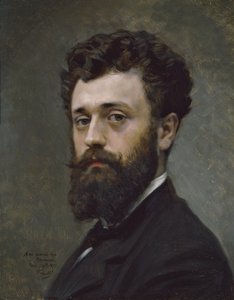
Раимundo де Мадразо и Гаррета
1841 - 1920 , Италия
Основные сведения
- Artistic Movement Or Style: Реализм, влияние Рококо
- Artists Or Movements Influenced By This Artist: ['Фередико де Мадразо']
- Artists Who Influenced This Artist:
- Альфред Стивенс
- Леон Конье
- Мариано Фортуни
- Date Of Birth: 1841
- Date Of Death: 1920
- Full Name: Raimundo de Madrazo y Garreta
- Nationality: Испания
- Notable Artworks:
- Портрет отца
- Воспоминания о прошлом
- Нехотя рабыня
- Place Of Birth: Рим, Италия
Похожие статьи

О нас
Откройте для себя нашу историю! Мы привносим искусство мирового класса в вашу жизнь благодаря экспертному отбору, индивидуальным заказам и бесплатным обзорам. Одобрено частными лицами и компаниями с 2000 года.

Ovidio Murguía de Castro: Ecuadorian Modernism & Social Realism's Indigenous Voice
Explore the captivating work of Ovidio Murguía de Castro, a pivotal figure in Ecuadorian Modernism. Discover his powerful Social Realist paintings and unique portrayal of Indigenous life – a compelling investment for discerning art collectors.

Romantic Realism's Finest: 10 Masterpieces for Your Home | ArtsDot
Explore 10 defining masterpieces of Romantic Realism! Discover Courbet, Millet & Daumier's powerful paintings—capturing emotion and social realities. Find museum-quality reproductions for your home at ArtsDot.com.
Raimundo de Madrazo: Capturing the Elegance of Spain’s Gilded Age Aristocracy
Explore the captivating world of Raimundo de Madrazo, master portraitist of Spain’s Gilded Age elite. Discover his artistic evolution, Parisian society portraits & investment potential. Expert insights for collectors.

Топ-25 шедевров Гойи: от придворного портрета до мрачных пророчеств | ArtsDot
Погрузитесь в мир гения Франсиско Гойи! 🎨 От придворных портретов до мрачных "Капричос" – исследуйте топ-25 шедевров испанского романтизма. Купите репродукции картин Гойи музейного качества на ArtsDot.com и украсьте свой интерьер искусством.