

 Предпросмотр
 Поделиться
 Поделиться
 Детали произведения

 Скачать
 Похожие работы
 Рентгенография
 Слайд-шоу
 Статистика
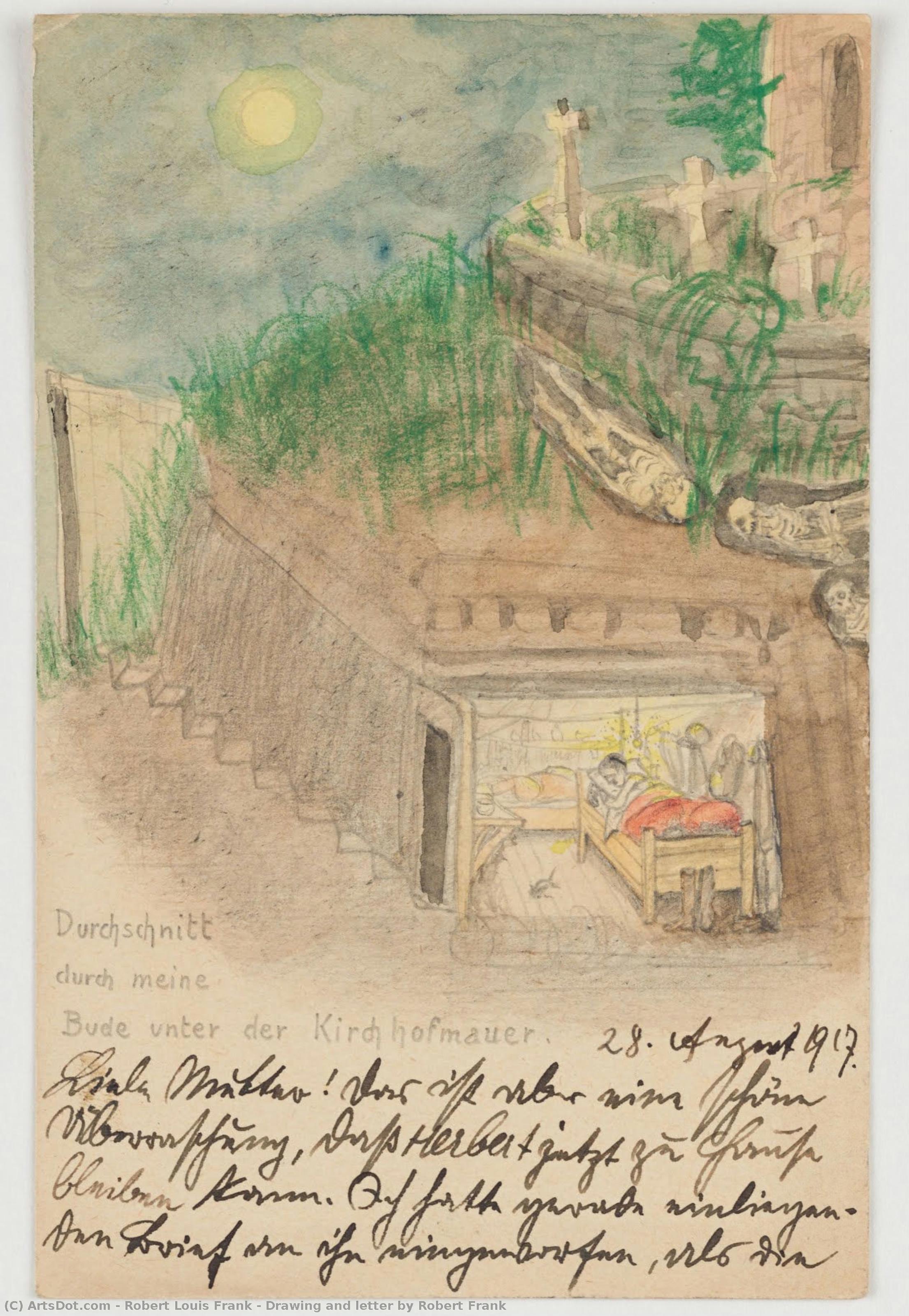
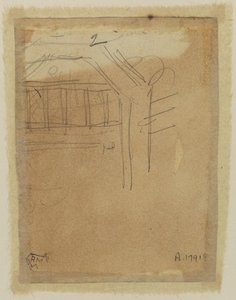
Drawing and letter by Robert Frank


 Читать далее
Масляная репродукция ручной работы
Картина маслом на холсте в выбранном вами размере и раме, написанная на заказ нашими художниками. ( Перейти к печати Перейти к цифровым изображениям)




































Выберите один из наших стандартных размеров, соответствующих оригинальным пропорциям произведения искусства.

Вы можете указать собственные размеры, чтобы картина идеально вписалась в выбранную раму или пространство. Если выбранный вами размер не соответствует пропорциям оригинала, мы либо обрежем полотно, либо расширим его за счет дополнительных элементов, написанных вручную. Цифровой макет будет отправлен вам на утверждение перед началом производства.
Обратите внимание, что предварительный просмотр на экране не отражает фактическую обрезку или расширение. Только макет точно покажет окончательную композицию.
Хотя доступны индивидуальные размеры, мы рекомендуем выбирать вариант из предопределенного списка, чтобы сохранить исходные пропорции.
После оформления заказа команда ArtsDot.com свяжется с клиентом по электронной почте для уточнения деталей и предоставит предварительный макет
Доставка по всему миру () за 3–4 недели вместо стандартных 5 недель. (13 Сентябрь). Без компромиссов в качестве.

Бесплатная экспресс-доставка по всему миру

Высококачественный льняной холст

Полное страхование доставки

Гарантия возмещения таможенных пошлин

Гарантия точного соответствия цветов

100-дневная политика возврата (только при обнаружении дефектов)

Гарантия возврата 100% средств

Предложение оптовых скидок
 Вариант со стеклом доступен только для размеров менее 110 см

Drawing and letter by Robert Frank
Техника репродукции
Размер репродукции
-


Итоговая стоимость
$ 263
Похожие произведения

Биография художника
Robert Louis Frank: A Revolutionary Eye
Born in Zurich, Switzerland, on November 9, 1924, into a family of modest wealth and intellectual curiosity, Robert Frank’s life was shaped by both privilege and the looming shadow of European history. His parents, Hermann and Regina (Zucker) Frank, instilled in him a love for culture and a keen observation of the world around him. The early years of his life, marked by a comfortable upbringing and exposure to art and travel, provided a foundation for his later artistic explorations. However, the rise of Nazism and its impact on his family’s heritage – particularly the loss of relatives in Germany – instilled within him a profound sense of displacement and a critical perspective on societal norms.
Frank's initial foray into photography began as an apprenticeship under established Swiss photographers, learning the technical skills alongside a nascent understanding of composition and visual storytelling. This early training provided a crucial base, but it was his own restless spirit and desire to escape the confines of his family’s business that truly propelled him toward artistic independence. He moved to New York City in 1947, seeking a new environment and a chance to forge his own path, initially finding work as a fashion photographer for *Harper's Bazaar*. This experience exposed him to the glamour and superficiality of American high society, experiences that would later inform the raw honesty of his photographic vision.
The Americans: A Seismic Shift in Photography
Frank’s career took a dramatic turn with the publication of *The Americans* in 1958. This groundbreaking book, a collection of over 200 photographs taken during a two-year road trip across the United States, shattered conventional photographic norms and irrevocably altered the landscape of American art. Departing from the idealized depictions of America prevalent at the time, Frank presented a gritty, unflinching portrait of everyday life – its contradictions, anxieties, and often overlooked beauty. His use of blurred focus, unconventional cropping, and stark contrasts created an unsettling yet captivating visual experience.
The initial reception to *The Americans* was mixed. Critics were divided, some praising Frank’s boldness and originality while others condemned his perceived negativity and lack of sentimentality. However, the book quickly gained a devoted following among artists, writers, and intellectuals who recognized its profound impact on photographic expression. As Sean O'Hagan noted in *The Guardian*, “*The Americans* changed the nature of photography, what it could say and how it could say it.” The book’s influence can be seen in the work of countless photographers who followed, including Diane Arbus, Lee Friedlander, and Garry Winogrand, all of whom embraced Frank's willingness to challenge conventional photographic practices.
Beyond Photography: Film and Experimentation
Following the success of *The Americans*, Frank expanded his artistic practice into film and video. In 1959, he collaborated with Jack Kerouac and Alfred Leslie on *Pull My Daisy*, a loosely structured experimental film that captured the energy and spirit of the Beat Generation. The film’s improvisational style and raw emotionality further cemented Frank's reputation as a radical innovator.
Throughout his career, Frank continued to experiment with manipulating photographs and creating photomontages, pushing the boundaries of photographic technique and exploring themes of memory, identity, and the American experience. His work became increasingly personal and introspective in later years, reflecting on his own life, family history, and the complexities of human relationships. He spent his final decades living in Nova Scotia, Canada, where he continued to create art until his death on September 9, 2019, at the age of 94.
Legacy and Influence
Robert Frank’s legacy extends far beyond his individual photographs and films. He fundamentally shifted the way photographers approached their craft, encouraging them to question conventional notions of beauty, truth, and representation. His willingness to embrace imperfection, capture fleeting moments, and document the unvarnished realities of everyday life continues to inspire artists today.
His work remains a powerful testament to the transformative potential of photography as a means of social commentary and personal expression. Frank’s influence can be seen in countless contemporary photographers who continue to challenge established norms and explore new ways of seeing the world. He is rightly regarded as one of the most important and influential figures in the history of photography, a pioneer whose vision continues to resonate with audiences around the globe.
Key Works
- The Americans (1958)
- Pull My Daisy (1959)
- Various photographic series exploring themes of travel, memory, and American culture
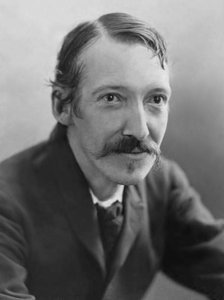
robert louis frank
1924 - 2019 , Switzerland
Основные сведения
- Artistic Movement Or Style: Documentary photography, Photomontage
- Artists Or Movements Influenced By This Artist:
- Diane Arbus
- Lee Friedlander
- Garry Winogrand
- Artists Who Influenced This Artist:
- Bill Brandt
- André Kertész
- Walker Evans
- Date Of Birth: November 9, 1924
- Date Of Death: September 9, 2019
- Full Name: Robert Louis Frank
- Nationality: Swiss-American
- Notable Artworks:
- The Americans
- Shelter Under Churchyard Wall
- Place Of Birth: Zurich, Switzerland
Похожие статьи

Топ-10 легендарных акварелей, изменивших искусство навсегда | ArtsDot
Погрузитесь в мир акварели! Откройте топ-10 легендарных картин Turner, Monet и других великих художников. История искусства, техники живописи и вдохновение для вашего интерьера. Репродукции музейного качества на ArtsDot.com.

Ephemeral Visions: Exploring the Artistic Legacy & Contemporary Practice of Watercolor Painting
Explore the captivating world of watercolor painting! Discover its rich history, essential techniques, influential artists & collecting tips. A comprehensive guide for art enthusiasts from ArtsDot.

Ephemeral Visions: Exploring the History & Emotional Resonance of Watercolor Painting
Explore the captivating history of watercolor painting, from ancient techniques to modern masters like Kandinsky & Blake. Discover essential artists, collecting tips & the emotional power of this luminous medium. Expert insights for art enthusiasts.

Ephemeral Visions: Exploring the Artistic Legacy & Nuances of Watercolor Painting
Explore the captivating world of watercolor painting! Discover its rich history, essential techniques, influential artists & collecting tips from art experts. A comprehensive guide for enthusiasts.
The Eloquent Line: Exploring the Artistic Significance of Sketches Across Movements and Media
Explore the profound artistic significance of sketches throughout history. From Renaissance masters to modern innovators like Van Gogh & Guston, discover how these foundational works reveal technique, emotion, and vision. Learn more at ArtsDot.