

 Предпросмотр
 Поделиться
 Поделиться
 Детали произведения

 Скачать
 Похожие работы
 Рентгенография
 Слайд-шоу
 Статистика
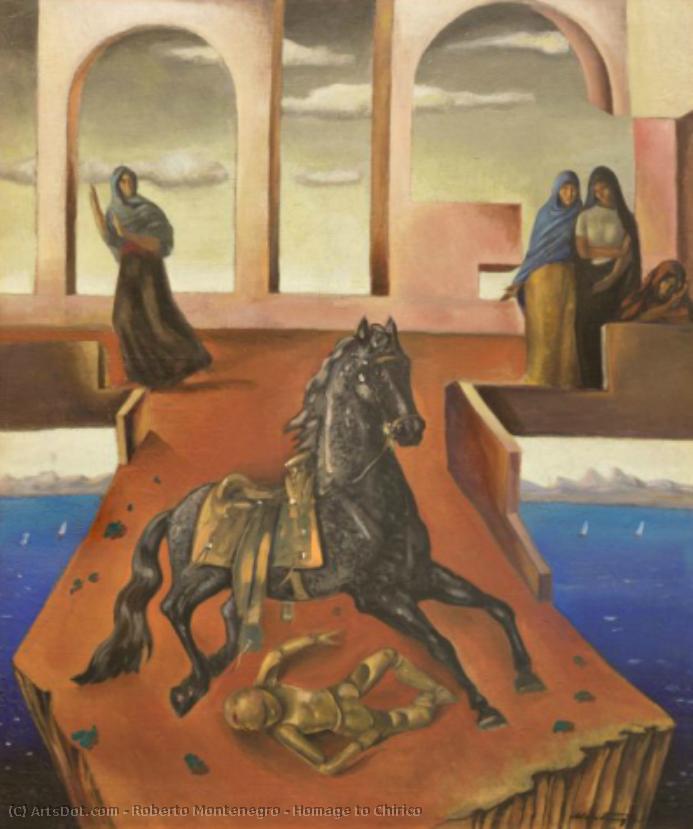
Homage to Chirico
 Romanticism
 1944
1944 70.0 x 59.0 cm
 Museo Mural Diego Rivera
 Читать далее
Приобретите цифровое изображение высокого разрешения в улучшенном качестве, которое значительно превосходит онлайн-превью.
Каждый файл тщательно подготавливается нашими специалистами с использованием передовых инструментов и экспертной ручной ретуши. Мы гарантируем исключительную четкость, точную цветопередачу и детальную проработку каждого изображения.
Финальный файл доставляется по электронной почте в течение 72 часов и оптимизирован для немедленного использования в профессиональной среде, при верстке и печати. Это тот же уровень качества, которому доверяют ведущие дизайнерские студии, издательства и галереи.
Цифровое изображение
Скачайте файл высокого разрешения для личного использования, печати и творческих проектов. ( Перейти к печати Купить картину ручной работы)
Включено в каждый заказ цифровых изображений
Гарантия экспертной цифровой доставки
Выбирая ArtsDot.com, вы получаете не просто изображение — вы приобретаете профессионально обработанное цифровое произведение искусства, созданное с безупречной точностью и под защитой гарантии качества. Вот всё, что автоматически входит в ваш заказ:

Мгновенная доставка по e-mail
Ваш цифровой файл в высоком разрешении будет отправлен вам по электронной почте в течение 72 часов после оформления заказа — и сразу станет доступен для использования.

Цифровой файл с ИИ-улучшением
Ваше произведение искусства проходит профессиональную оптимизацию с использованием передовых инструментов ИИ и ручной обработки, что гарантирует максимальную детализацию, четкость и точность цветопередачи.

Бессрочная бесплатная повторная доставка
Случайно удалили или потеряли файл? Не беспокойтесь — мы отправим его вам повторно в любое время и совершенно бесплатно.

Без импортных пошлин — навсегда
Наслаждайтесь вашим произведением искусства мгновенно без таможенных пошлин, сборов или затрат на доставку — цифровые загрузки всегда не облагаются налогом.

Гарантия точности цветопередачи
Мы гарантируем, что ваше цифровое изображение максимально точно передает оригинальные цвета благодаря использованию профессиональных инструментов и систем управления цветом.

Гарантия удовлетворенности 100 дней
Если вы не будете удовлетворены своим цифровым изображением, мы внесем правки или вернем 100% стоимости в течение 100 дней — без лишних вопросов.

100% Гарантия возврата средств
Не удовлетворены покупкой? Получите полный возврат средств в течение 100 дней после получения цифрового файла — без лишних вопросов.

Скидки на оптовые заказы
Купите 3 изображения, сэкономьте 10% — Купите 5, сэкономьте 15% — Купите 10+, сэкономьте 20%. Отличное решение для творческих проектов, галерей и агентств.
Похожие произведения
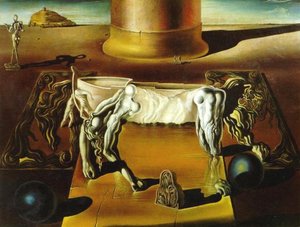
Биография художника
Early Life and Artistic Foundations
Roberto Montenegro Nervo, born February 19, 1885, in Guadalajara, Mexico, emerged from a family steeped in the social fabric of the Porfirio Díaz era. His father, Colonel Ignacio L. Montenegro, and his aunt, poet Amado Nervo, provided a backdrop of both military tradition and artistic sensibility that would subtly shape the young artist’s path. Early inclinations toward drawing surfaced during his schooling in Guadalajara, leading him to Félix Bernardelli, who introduced him to the flowing lines and decorative motifs of Art Nouveau—a style that initially captivated Montenegro's imagination. This early exposure proved pivotal, laying a foundation for his later explorations of form and color. In 1903, he journeyed to Mexico City, briefly considering architecture before fully embracing his artistic calling at the Academy of San Carlos. There, amidst peers like Diego Rivera, Ángel Zárraga, and Saturnino Herrán, Montenegro honed his skills under the guidance of Leandro Izaguirre, Germán Gedovius, and Alberto Fuster.European Influences and a Unique Artistic Voice
A turning point arrived in 1906 when Montenegro secured a grant to study in Europe, an opportunity that propelled him into the heart of the avant-garde. Madrid’s Academy of San Fernando provided initial training, but it was Paris—from 1907 to 1910 and again from 1913 to 1916—that truly ignited his artistic evolution. The city pulsed with revolutionary ideas; Montenegro found himself in the orbit of Pablo Picasso, Georges Braque, and other pioneers of Cubism. While deeply affected by this burgeoning movement, he resisted complete assimilation, choosing instead to forge a distinctive path that blended European modernism with the rich traditions of Mexican folk art. His travels extended beyond Paris—to London, Italy, and Mallorca—each locale contributing layers to his evolving aesthetic sensibility. In Mallorca, particularly, he found inspiration in local life, capturing scenes like Pescador de Mallorca (1915), a painting that foreshadowed his lifelong fascination with fantasy and tradition.The Rise of Muralism and Beyond
Montenegro was among the first artists to engage with the burgeoning Mexican muralism movement following the Revolution. However, his approach differed significantly from contemporaries like Diego Rivera. While Rivera’s murals were characterized by dramatic narratives and social commentary, Montenegro's work tended toward a more lyrical and decorative style. His most substantial mural project took place at the former San Pedro and San Pablo monastery, but its relative lack of overt political messaging led to a gradual diminishing of his prominence within the dominant narrative of Mexican muralism. Undeterred, Montenegro channeled his energies into illustration, portrait painting, and—most importantly—the promotion of Mexican handcrafts and folk art. He became a tireless advocate for these often-overlooked cultural treasures, recognizing their intrinsic beauty and historical significance.A Champion of Mexican Identity
Montenegro’s dedication to preserving and celebrating Mexican culture extended far beyond his artistic practice. He published numerous books on the subject, including Máscaras mexicanas (1926), Pintura mexicana (1880-1860) (1933), and Retablos de México (1950), each a testament to his deep understanding and appreciation of the nation’s artistic heritage. He organized exhibitions both in Mexico and the United States, most notably collaborating with Miguel Covarrubias on Twenty Centuries of Mexican Art (1940) for MoMA in New York. Through these endeavors, Montenegro played a crucial role in shaping international perceptions of Mexican art, highlighting its unique blend of indigenous traditions, colonial influences, and modern sensibilities.Legacy and Enduring Influence
Roberto Montenegro Nervo passed away on October 13, 1968, in Mexico City, leaving behind a diverse body of work that continues to captivate audiences today. While often overshadowed by his more overtly political contemporaries, Montenegro’s contribution to Mexican art remains significant. His unique blend of folk art, modernism, and illustration—coupled with his tireless advocacy for Mexican culture—established him as a pivotal figure in the post-Revolution era. He demonstrated that artistic expression could take many forms, from monumental murals to delicate illustrations, and that true cultural preservation lay in celebrating the beauty and diversity of a nation’s heritage. His paintings, such as Homage to Chirico (1944), with its dramatic composition and rich texture, continue to resonate with viewers, offering a glimpse into the complex artistic vision of a truly remarkable artist.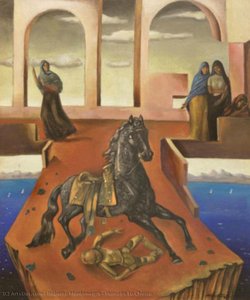
Основные сведения
- Artistic Movement Or Style: Mexican Muralism, Modernism
- Artists Who Influenced This Artist:
- Pablo Picasso
- Georges Braque
- El Greco
- Goya
- Date Of Birth: February 19, 1885
- Date Of Death: October 13, 1968
- Full Name: Roberto Montenegro Nervo
- Nationality: Mexican
- Notable Artworks:
- Homage to Chirico
- The Worthy Poet’s Grocery
- Place Of Birth: Guadalajara, Mexico