

 Предпросмотр
 Поделиться
 Поделиться
 Детали произведения

 Скачать
 Похожие работы
 Рентгенография
 Слайд-шоу
 Статистика
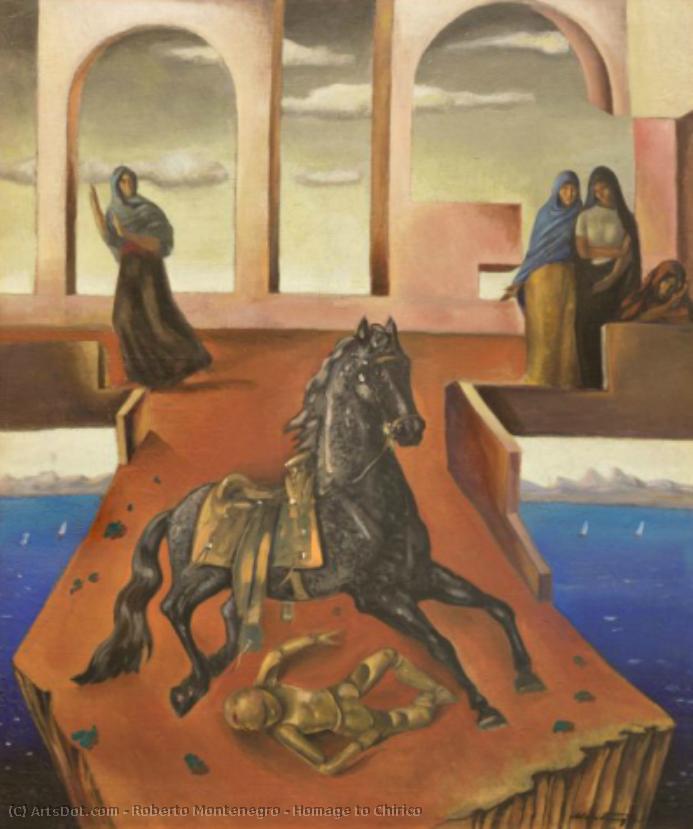
Homage to Chirico
 Romanticism
 1944
1944 70.0 x 59.0 cm
 Museo Mural Diego Rivera
 Читать далее
Жикле / Арт-принт
Печать (жикле) или холст музейного качества с быстрыми сроками изготовления и широким выбором вариантов отделки. ( Купить картину ручной работы Перейти к цифровым изображениям)




































Выберите один из наших стандартных размеров, соответствующих оригинальным пропорциям произведения искусства.

Вы можете указать свои собственные размеры, чтобы репродукция идеально подошла под конкретную раму или пространство. Если выбранный вами размер не будет соответствовать пропорциям оригинала, мы либо обрежем произведение, либо дополним изображение зеркальным отражением краев или однотонной заливкой. Перед началом производства вам будет отправлен цифровой макет для утверждения.
Пожалуйста, обратите внимание, что предварительный просмотр на экране не отображает фактическую обрезку или расширение изображения. Только макет точно покажет финальную композицию.
Несмотря на возможность заказа индивидуальных размеров, мы рекомендуем выбирать размер из предопределенного списка, чтобы сохранить оригинальные пропорции.
Доставка по всему миру () за 2 недели вместо стандартных 4/5 недель. (12 Сентябрь)

Бесплатная экспресс-доставка по всему миру

Высококачественный льняной холст

Полное страхование доставки

Гарантия возмещения таможенных пошлин

Гарантия точного соответствия цветов

100-дневная политика возврата (только при обнаружении дефектов)

Гарантия возврата 100% средств

Предложение оптовых скидок
 Вариант со стеклом доступен только для размеров менее 110 см

Homage to Chirico
Жикле / Арт-принт
Размер репродукции
-


Итоговая стоимость
$ 62
Похожие произведения
Биография художника
Early Life and Artistic Foundations
Roberto Montenegro Nervo, born February 19, 1885, in Guadalajara, Mexico, emerged from a family steeped in the social fabric of the Porfirio Díaz era. His father, Colonel Ignacio L. Montenegro, and his aunt, poet Amado Nervo, provided a backdrop of both military tradition and artistic sensibility that would subtly shape the young artist’s path. Early inclinations toward drawing surfaced during his schooling in Guadalajara, leading him to Félix Bernardelli, who introduced him to the flowing lines and decorative motifs of Art Nouveau—a style that initially captivated Montenegro's imagination. This early exposure proved pivotal, laying a foundation for his later explorations of form and color. In 1903, he journeyed to Mexico City, briefly considering architecture before fully embracing his artistic calling at the Academy of San Carlos. There, amidst peers like Diego Rivera, Ángel Zárraga, and Saturnino Herrán, Montenegro honed his skills under the guidance of Leandro Izaguirre, Germán Gedovius, and Alberto Fuster.European Influences and a Unique Artistic Voice
A turning point arrived in 1906 when Montenegro secured a grant to study in Europe, an opportunity that propelled him into the heart of the avant-garde. Madrid’s Academy of San Fernando provided initial training, but it was Paris—from 1907 to 1910 and again from 1913 to 1916—that truly ignited his artistic evolution. The city pulsed with revolutionary ideas; Montenegro found himself in the orbit of Pablo Picasso, Georges Braque, and other pioneers of Cubism. While deeply affected by this burgeoning movement, he resisted complete assimilation, choosing instead to forge a distinctive path that blended European modernism with the rich traditions of Mexican folk art. His travels extended beyond Paris—to London, Italy, and Mallorca—each locale contributing layers to his evolving aesthetic sensibility. In Mallorca, particularly, he found inspiration in local life, capturing scenes like Pescador de Mallorca (1915), a painting that foreshadowed his lifelong fascination with fantasy and tradition.The Rise of Muralism and Beyond
Montenegro was among the first artists to engage with the burgeoning Mexican muralism movement following the Revolution. However, his approach differed significantly from contemporaries like Diego Rivera. While Rivera’s murals were characterized by dramatic narratives and social commentary, Montenegro's work tended toward a more lyrical and decorative style. His most substantial mural project took place at the former San Pedro and San Pablo monastery, but its relative lack of overt political messaging led to a gradual diminishing of his prominence within the dominant narrative of Mexican muralism. Undeterred, Montenegro channeled his energies into illustration, portrait painting, and—most importantly—the promotion of Mexican handcrafts and folk art. He became a tireless advocate for these often-overlooked cultural treasures, recognizing their intrinsic beauty and historical significance.A Champion of Mexican Identity
Montenegro’s dedication to preserving and celebrating Mexican culture extended far beyond his artistic practice. He published numerous books on the subject, including Máscaras mexicanas (1926), Pintura mexicana (1880-1860) (1933), and Retablos de México (1950), each a testament to his deep understanding and appreciation of the nation’s artistic heritage. He organized exhibitions both in Mexico and the United States, most notably collaborating with Miguel Covarrubias on Twenty Centuries of Mexican Art (1940) for MoMA in New York. Through these endeavors, Montenegro played a crucial role in shaping international perceptions of Mexican art, highlighting its unique blend of indigenous traditions, colonial influences, and modern sensibilities.Legacy and Enduring Influence
Roberto Montenegro Nervo passed away on October 13, 1968, in Mexico City, leaving behind a diverse body of work that continues to captivate audiences today. While often overshadowed by his more overtly political contemporaries, Montenegro’s contribution to Mexican art remains significant. His unique blend of folk art, modernism, and illustration—coupled with his tireless advocacy for Mexican culture—established him as a pivotal figure in the post-Revolution era. He demonstrated that artistic expression could take many forms, from monumental murals to delicate illustrations, and that true cultural preservation lay in celebrating the beauty and diversity of a nation’s heritage. His paintings, such as Homage to Chirico (1944), with its dramatic composition and rich texture, continue to resonate with viewers, offering a glimpse into the complex artistic vision of a truly remarkable artist.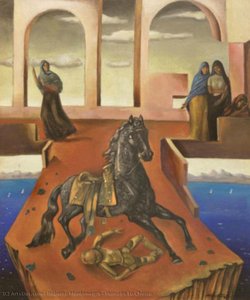
Основные сведения
- Artistic Movement Or Style: Mexican Muralism, Modernism
- Artists Who Influenced This Artist:
- Pablo Picasso
- Georges Braque
- El Greco
- Goya
- Date Of Birth: February 19, 1885
- Date Of Death: October 13, 1968
- Full Name: Roberto Montenegro Nervo
- Nationality: Mexican
- Notable Artworks:
- Homage to Chirico
- The Worthy Poet’s Grocery
- Place Of Birth: Guadalajara, Mexico
Похожие статьи

Oil on Canvas: A Historical & Technical Exploration of a Timeless Artistic Medium
Explore the rich history & enduring techniques of oil painting on canvas. Discover the science behind its longevity, conservation practices, and contemporary relevance. Expert insights for art enthusiasts.

The Enduring Legacy of Oil on Canvas: Technique, History & Aesthetic Impact
Explore the rich history & techniques of oil painting – from Renaissance masters to Impressionism. Discover pigments, layering methods, and why this timeless medium endures. Expert insights for artists & art enthusiasts.
Текстурированные отпечатки на : Имитация масляной живописи для искушенных коллекционеров
предлагает эксклюзивные текстурные отпечатки, идеально имитирующие масляную живопись. Высокое качество, ручная работа и персонализация для искушенных коллекционеров.

The Enduring Power of Painting: A Historical & Contemporary Exploration of Form and Emotion
Explore the rich history & enduring techniques of oil painting with ArtsDot. Discover masterpieces, learn about art collecting, and find authentic handmade reproductions crafted by skilled artists.

Romantic Realism's Finest: 10 Masterpieces for Your Home | ArtsDot
Explore 10 defining masterpieces of Romantic Realism! Discover Courbet, Millet & Daumier's powerful paintings—capturing emotion and social realities. Find museum-quality reproductions for your home at ArtsDot.com.