 Предпросмотр
 Поделиться
 Поделиться
 Детали произведения

 Скачать
 Похожие работы
 Рентгенография
 Слайд-шоу
 Статистика
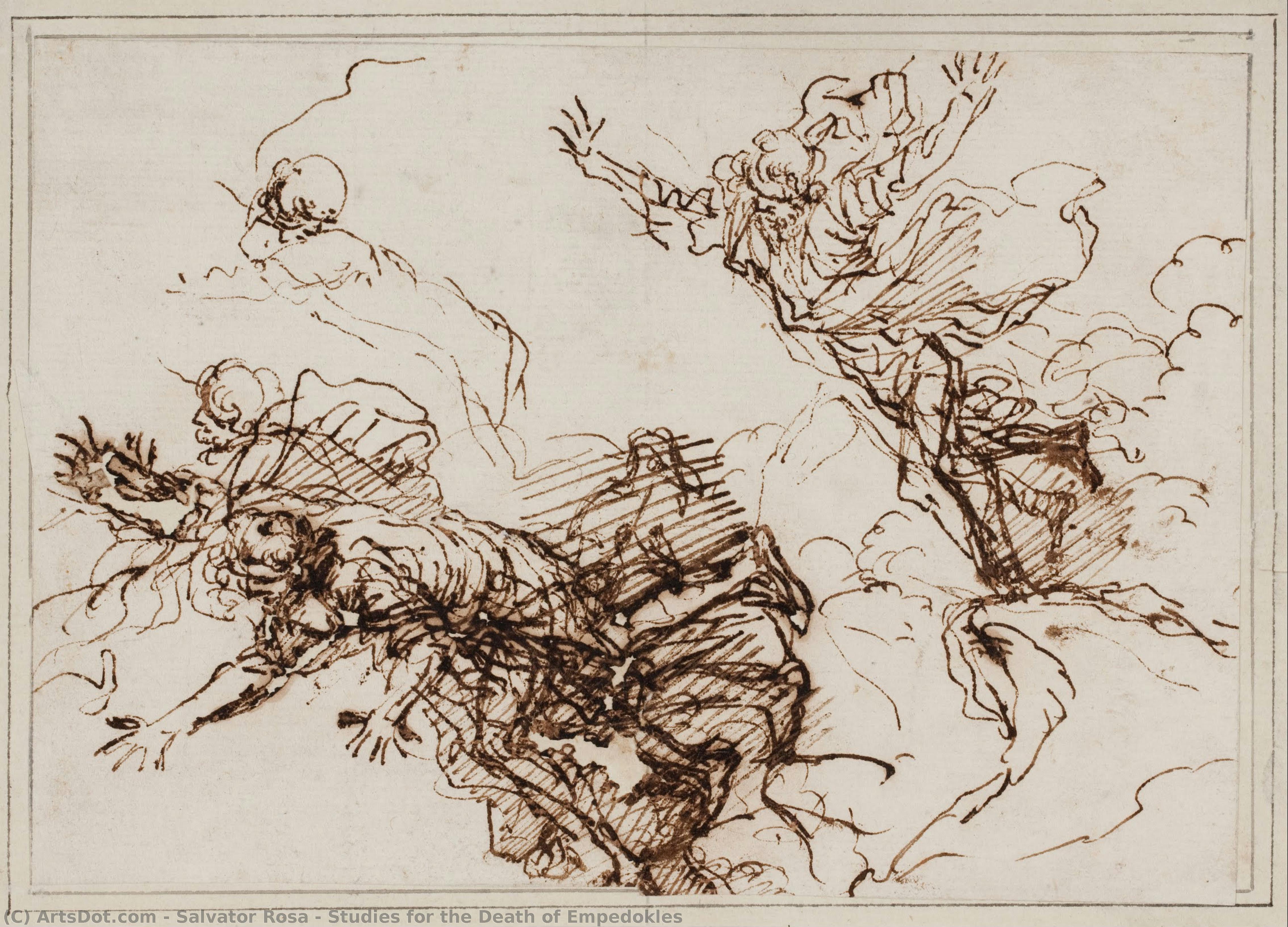
Studies for the Death of Empedokles
 Acrylic On Canvas
- WallArt
- Baroque
 1666
1666 18.0 x 12.0 cm
 Национальная галерея Дании
 Читать далее
Жикле / Арт-принт
Печать (жикле) или холст музейного качества с быстрыми сроками изготовления и широким выбором вариантов отделки. ( Купить картину ручной работы Перейти к цифровым изображениям)




P118B $10

P118H $10

P118W $10

P438Z $10

P508JH $12

P508YH $12

P805H $10

P805Z $10

P919BZ $10

P919G $10

P919XJ $10

P959ZH $10

P968JZ $12

W106C $8

W218G $10

W218JH $8

W218Y $10

W307PJ $10

W316G $10

W316PJ $8

W316Y $10

W398PJ $8

W4111J $10

W500HY $15

W500JH $15

W692G $12

W849H $8

W940BG $15

W953PJ $8
Выберите один из наших стандартных размеров, соответствующих оригинальным пропорциям произведения искусства.

Вы можете указать свои собственные размеры, чтобы репродукция идеально подошла под конкретную раму или пространство. Если выбранный вами размер не будет соответствовать пропорциям оригинала, мы либо обрежем произведение, либо дополним изображение зеркальным отражением краев или однотонной заливкой. Перед началом производства вам будет отправлен цифровой макет для утверждения.
Пожалуйста, обратите внимание, что предварительный просмотр на экране не отображает фактическую обрезку или расширение изображения. Только макет точно покажет финальную композицию.
Несмотря на возможность заказа индивидуальных размеров, мы рекомендуем выбирать размер из предопределенного списка, чтобы сохранить оригинальные пропорции.
Доставка по всему миру () за 2 недели вместо стандартных 4/5 недель. (13 Сентябрь)

Бесплатная экспресс-доставка по всему миру

Высококачественный льняной холст

Полное страхование доставки

Гарантия возмещения таможенных пошлин

Гарантия точного соответствия цветов

100-дневная политика возврата (только при обнаружении дефектов)

Гарантия возврата 100% средств

Предложение оптовых скидок
 Вариант со стеклом доступен только для размеров менее 110 см

Studies for the Death of Empedokles
Жикле / Арт-принт
Размер репродукции
-


Итоговая стоимость
$ 62
Salvator Rosa’s Dramatic Vision of Empedocles' Fate
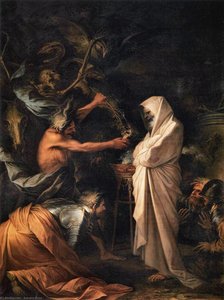
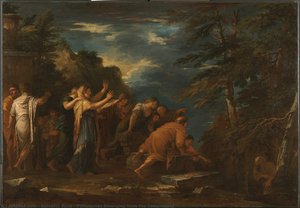
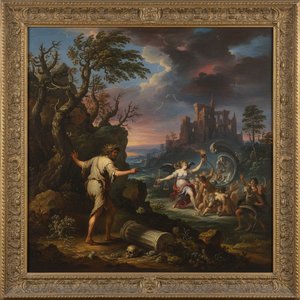
Salvator Rosa’s “Studies for the Death of Empedokles,” completed in 1666, stands as a testament to the artist’s singular approach to Baroque painting—a fusion of philosophical contemplation and visceral theatricality. Executed in oil on canvas, this artwork isn't merely a depiction of an ancient myth; it’s a carefully orchestrated exploration of mortality, hubris, and the inescapable dominion of nature.
A Literary Inspiration: Diogenes Laërtius and Empedocles’ Sacrifice
Rosa drew heavily upon the writings of Diogenes Laërtius, specifically his biography of Empedocles, to craft this compelling scene. Empedocles, a Pythagorean philosopher renowned for his belief in the unity of opposites—earth, air, fire, and water—chose to end his life by hurling himself from Mount Etna, Sicily’s active volcano, as recounted in ancient Greek texts. Rosa brilliantly captures the essence of this dramatic narrative, transforming it into an unforgettable visual experience.
Dynamic Composition and Artistic Technique
Rosa's masterful technique is immediately apparent. The canvas pulsates with energy thanks to bold brushstrokes and a dynamic compositional arrangement that guides the viewer’s eye across the scene. Lines radiate outwards from the central figure—a man poised on the precipice of oblivion—creating a sense of movement and urgency. Rosa skillfully utilizes chiaroscuro, employing dramatic contrasts between light and shadow to heighten the emotional impact and emphasize the horror experienced by Empedocles.
Symbolism: The Volcano as Metaphor for Destruction
The volcano Etna serves as more than just a backdrop; it embodies a profound symbolic significance. Representing the destructive forces of nature, it underscores Empedocles’ futile attempt to defy mortality and ascend to divine status. Rosa's depiction isn’t simply about physical death; it speaks to the universal human desire for transcendence—a yearning that ultimately confronts the limitations imposed by earthly existence.
Emotional Resonance: Horror and Sublime Beauty
"Studies for the Death of Empedocles" evokes a palpable sense of terror mingled with awe. Rosa’s portrayal captures the psychological torment of Empedocles as he anticipates his demise, conveying the artist's profound understanding of human vulnerability. Simultaneously, the grandeur of Mount Etna—rendered in breathtaking detail—introduces an element of sublime beauty, reminding us that even amidst destruction lies a captivating spectacle of natural majesty. This artwork continues to resonate with viewers today, prompting reflection on themes of mortality and the confrontation between humanity and the cosmos.
Похожие произведения
Биография художника
Salvator Rosa (1615 - 1673)
Salvator Rosa, an italian baroque painter, poet, and printmaker, was born in arenella, naples, on either june 20 or july 21, 1615. his mother, giulia greca rosa, was a member of one of the greek families of sicily. despite his father's wishes for him to become a lawyer or priest, salvator showed a preference for the arts from an early age.- Early Life and Training: Salvator Rosa’s artistic journey began in arenella, where he received formative instruction from his brother-in-law Francesco Fracanzano and later honed his skills under Aniello Falcone and Giuseppe de Ribera. This exposure to prominent baroque masters instilled in him a distinctive style characterized by dramatic landscapes and psychological depth.
- Artistic Style: Rosa’s artistic approach defied convention, rejecting the rigid formalism of his contemporaries and embracing an expressive freedom that would later resonate with Romantic artists. He skillfully blended naturalism—inspired by Ribera—with classical influences from Poussin, creating images imbued with philosophical contemplation.
Notable Works
Rosa’s oeuvre encompassed a remarkable range of subjects, reflecting his intellectual curiosity and artistic versatility. Among his most celebrated paintings are "View of the Gulf of Salerno", a breathtaking depiction of the Campania coast capturing the raw beauty of nature; "Study for 'Il Genio di Rosa", an unfinished masterpiece showcasing Rosa’s experimental technique and visionary imagination; and "Grotto with Cascades", a sublime portrayal of a secluded waterfall scene embodying the grandeur of the baroque aesthetic. These works stand as testament to his unparalleled ability to convey emotion and intellectual insight through visual art.Influences and Artistic Legacy
Rosa’s artistic sensibilities were profoundly shaped by thinkers like Pythagoras, whose philosophical ideas permeated his paintings—particularly "Pythagoras Emerging From The Underworld". This monumental composition exemplifies Rosa's commitment to exploring profound themes of mortality and regeneration through symbolic imagery. Furthermore, he drew inspiration from Giuseppe de Ribera’s naturalistic style and Luca Giordano’s theatrical flair, integrating these influences into his own distinctive artistic vision. His influence extended beyond his immediate contemporaries, inspiring subsequent generations of artists who championed expressive liberty and pursued innovative approaches to landscape painting.Historical Significance
Salvator Rosa occupies a pivotal position in the history of baroque art—a movement characterized by grandeur, emotion, and dramatic theatricality. He challenged prevailing artistic conventions, advocating for an uncompromising pursuit of artistic freedom and rejecting the constraints imposed by academic dogma. His rebellious spirit foreshadowed the Romantic sensibility, securing his place as a precursor to this influential artistic movement and cementing his enduring legacy as one of italy’s most original and visionary painters. Rosa's poetic output further solidified his reputation as a multifaceted intellectual figure—a painter, poet, and printmaker who embodied the ideals of the baroque era.Important Links
Explore more about Salvator Rosa: Salvator Rosa on ArtsDot Wikipedia: Salvator Rosa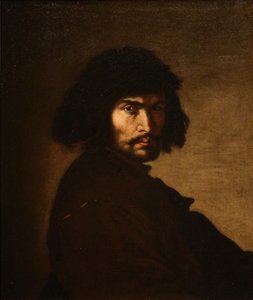
Салватор Роса
1615 - 1673 , Италия
Основные сведения
- Artistic Movement Or Style: Baroque art
- Artists Or Movements Influenced By This Artist: ['Romanticism']
- Artists Who Influenced This Artist: ['José de Ribera']
- Date Of Birth: June 20, 1615
- Date Of Death: 1673
- Full Name: Salvator Rosa
- Nationality: Italian
- Notable Artworks:
- View of the Gulf of Salerno
- Study for 'Il Genio di Rosa
- Grotto with Cascades
- Place Of Birth: Arenella, Sicily
Похожие статьи

Барочная драма: Искусство величия в современном интерьере
Погрузитесь в мир роскоши и величия барокко! Узнайте об истории стиля, ключевых элементах интерьера и архитектуре. Вдохновляйтесь с и создайте свой неповторимый дизайн.

10 Шедевров Барокко: Искусство, изменившее мир | ArtsDot.com
Погрузитесь в мир барокко! 10 шедевров Караваджо, Рембрандта и других великих художников. Узнайте историю создания культовых картин и найдите идеальную репродукцию для вашего интерьера на ArtsDot.com

The Dramatic Flourish: Exploring the Baroque Movement's Enduring Legacy in Art History
Explore the dramatic world of Baroque art! Discover iconic artists like Caravaggio & Rubens, defining techniques, and its lasting impact on art history. Expert insights for collectors & enthusiasts at ArtsDot.

The Visceral Stage: Exploring Dramatic Narratives & Emotional Intensity in Baroque Art
Explore the dramatic world of Baroque art! Discover iconic masters like Caravaggio & Rembrandt, their techniques, and the movement's lasting impact. Expert insights for collectors & enthusiasts at ArtsDot.
Salvator Rosa: A Baroque Rebel's Vision of Landscape, Allegory & the Human Condition
Explore the captivating world of Salvator Rosa, a rebellious Baroque master. Discover his dramatic landscapes, allegorical paintings & lasting influence on Romanticism. Hand-painted reproductions available at ArtsDot.