

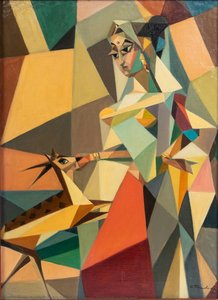
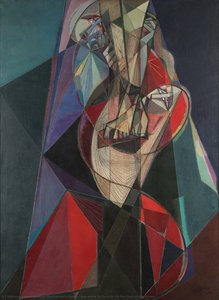
![Aux Pieds De La Croix [at The Foot Of The Cross] — Samson Modestovich Flexor](/media/artworks/images-full/d7/15/d715427fa6e6ff4a01b4e6da4c42b6dd.jpg)
 Предпросмотр
 Поделиться
 Поделиться
 Детали произведения

 Скачать
 Похожие работы
 Рентгенография
 Слайд-шоу
 Статистика
Aux pieds de la croix [At the Foot of the Cross]
 1949
1949 130.0 x 96.0 cm
 Pinacoteca do Estado de São Paulo
 Читать далее
Приобретите цифровое изображение высокого разрешения в улучшенном качестве, которое значительно превосходит онлайн-превью.
Каждый файл тщательно подготавливается нашими специалистами с использованием передовых инструментов и экспертной ручной ретуши. Мы гарантируем исключительную четкость, точную цветопередачу и детальную проработку каждого изображения.
Финальный файл доставляется по электронной почте в течение 72 часов и оптимизирован для немедленного использования в профессиональной среде, при верстке и печати. Это тот же уровень качества, которому доверяют ведущие дизайнерские студии, издательства и галереи.
Цифровое изображение
Скачайте файл высокого разрешения для личного использования, печати и творческих проектов. ( Перейти к печати Купить картину ручной работы)
Включено в каждый заказ цифровых изображений
Гарантия экспертной цифровой доставки
Выбирая ArtsDot.com, вы получаете не просто изображение — вы приобретаете профессионально обработанное цифровое произведение искусства, созданное с безупречной точностью и под защитой гарантии качества. Вот всё, что автоматически входит в ваш заказ:

Мгновенная доставка по e-mail
Ваш цифровой файл в высоком разрешении будет отправлен вам по электронной почте в течение 72 часов после оформления заказа — и сразу станет доступен для использования.

Цифровой файл с ИИ-улучшением
Ваше произведение искусства проходит профессиональную оптимизацию с использованием передовых инструментов ИИ и ручной обработки, что гарантирует максимальную детализацию, четкость и точность цветопередачи.

Бессрочная бесплатная повторная доставка
Случайно удалили или потеряли файл? Не беспокойтесь — мы отправим его вам повторно в любое время и совершенно бесплатно.

Без импортных пошлин — навсегда
Наслаждайтесь вашим произведением искусства мгновенно без таможенных пошлин, сборов или затрат на доставку — цифровые загрузки всегда не облагаются налогом.

Гарантия точности цветопередачи
Мы гарантируем, что ваше цифровое изображение максимально точно передает оригинальные цвета благодаря использованию профессиональных инструментов и систем управления цветом.

Гарантия удовлетворенности 100 дней
Если вы не будете удовлетворены своим цифровым изображением, мы внесем правки или вернем 100% стоимости в течение 100 дней — без лишних вопросов.

100% Гарантия возврата средств
Не удовлетворены покупкой? Получите полный возврат средств в течение 100 дней после получения цифрового файла — без лишних вопросов.

Скидки на оптовые заказы
Купите 3 изображения, сэкономьте 10% — Купите 5, сэкономьте 15% — Купите 10+, сэкономьте 20%. Отличное решение для творческих проектов, галерей и агентств.
Похожие произведения






Биография художника
Frida Kahlo: A Life Painted in Pain and Passion
Frida Kahlo, a name synonymous with raw emotion, vibrant color, and unapologetic self-portraiture, remains one of the most compelling figures in 20th-century art. Born Magdalena Carmen Frida Kahlo y Calderón on July 6, 1907, in Coyoacán, Mexico City, her life was a tumultuous tapestry woven with physical suffering, passionate love affairs, and an unwavering commitment to artistic expression. More than just a painter, Kahlo crafted a visual autobiography—a deeply personal exploration of identity, pain, and the female experience—that continues to resonate powerfully today.
Her early years were marked by significant hardship. At six years old, she contracted polio, leaving her with a permanent limp and a profound sense of vulnerability. This physical challenge shaped her perception of herself and fueled a determination to overcome adversity. Later, at the age of eighteen, a devastating bus accident shattered her body—fracturing her spine, pelvis, ribs, and leg. The injuries left her in constant pain for the rest of her life, requiring numerous surgeries and extensive medical treatments. It was during this period of confinement and recovery that Kahlo discovered painting as a means of coping with her physical limitations and processing her emotional turmoil.
The Rise of a Surrealist (and Beyond)
Initially encouraged by her parents to pursue medicine, Frida’s artistic inclinations blossomed unexpectedly. Following the bus accident, she began creating self-portraits—a practice that would become the hallmark of her oeuvre. Unlike traditional portraits, Kahlo's self-representations were brutally honest and unflinchingly intimate. She depicted herself in a variety of states – wounded, vulnerable, defiant, and often adorned with symbolic imagery drawn from Mexican folklore and indigenous traditions. While she initially resisted being labeled as a Surrealist, André Breton, the founder of the movement, recognized her work’s exploration of the subconscious and included her in his 1938 Surrealist exhibition in Paris.
However, Kahlo's artistic vision extended far beyond the confines of Surrealism. Her paintings were deeply rooted in Mexican culture, reflecting a complex blend of European influences (particularly from her father’s heritage) and indigenous traditions. She drew inspiration from folk art, religious iconography, and the vibrant colors of Mexico—elements that she skillfully integrated into her distinctive style.
A Complex Relationship with Diego Rivera
In 1928, Frida met Diego Rivera, a renowned muralist known for his socialist themes and monumental works. Their relationship was passionate, tumultuous, and ultimately marked by both profound love and deep conflict. They married in 1929, embarking on a whirlwind romance that took them to San Francisco, New York City, and Detroit—locations where Rivera worked on significant commissions. Despite their intense connection, the marriage was plagued by infidelity from both sides, culminating in divorce and remarriage in 1940. Rivera’s career often overshadowed Kahlo's, a fact she frequently lamented, yet he remained her most steadfast supporter and champion.
Themes of Identity, Pain, and Resilience
Kahlo’s art is profoundly autobiographical, exploring themes of identity, pain, the female body, and mortality. Her paintings are not merely representations of physical wounds; they are symbolic explorations of emotional trauma, psychological distress, and the struggle to reclaim agency in the face of adversity. Works like “The Two Fridas” (1939) offer a poignant meditation on duality—the conflicting aspects of her identity as a Mexican woman and a European-descended artist. “Henry Ford Hospital” (1932), with its stark depiction of miscarriage, is a raw and unflinching portrayal of female suffering.
Despite the immense pain she endured throughout her life, Frida Kahlo never abandoned her artistic pursuits. She continued to paint relentlessly until shortly before her death in 1954. Her legacy extends far beyond the art world; she has become an icon of strength, resilience, and self-expression—a symbol for women artists and marginalized communities worldwide.
A Lasting Legacy
Frida Kahlo’s work gained international recognition posthumously, fueled by feminist scholarship and a growing appreciation for her unique artistic vision. Today, the Frida Kahlo Museum in Coyoacán, Mexico City—her “Blue House”—attracts millions of visitors each year, offering a glimpse into her life, her art, and her enduring spirit. Her paintings continue to be exhibited around the world, captivating audiences with their honesty, vulnerability, and undeniable power.
samson modestovich flexor
1907 - 1971 , Moldova
Основные сведения
- Artistic Movement Or Style: Surrealism, Folk Art
- Artists Or Movements Influenced By This Artist: ['Feminist Art']
- Artists Who Influenced This Artist:
- Diego Rivera
- Siqueiros
- Date Of Birth: July 6, 1907
- Date Of Death: July 13, 1954
- Full Name: Magdalena Carmen Frida Kahlo y Calderón
- Nationality: Mexican
- Notable Artworks:
- The Two Fridas
- Henry Ford Hospital
- Self-Portrait with Thorn Necklace and Hummingbird
- Place Of Birth: Coyoacán, Mexico City