

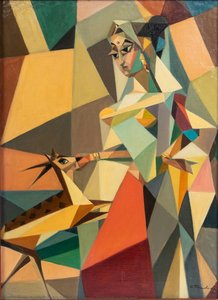
![Aux Pieds De La Croix [at The Foot Of The Cross] — Samson Modestovich Flexor](/media/artworks/images-full/d7/15/d715427fa6e6ff4a01b4e6da4c42b6dd.jpg)
 Предпросмотр
 Поделиться
 Поделиться
 Детали произведения

 Скачать
 Похожие работы
 Рентгенография
 Слайд-шоу
 Статистика
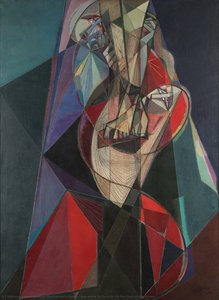
Aux pieds de la croix [At the Foot of the Cross]
 1949
1949 130.0 x 96.0 cm
 Pinacoteca do Estado de São Paulo
 Читать далее
Жикле / Арт-принт
Печать (жикле) или холст музейного качества с быстрыми сроками изготовления и широким выбором вариантов отделки. ( Купить картину ручной работы Перейти к цифровым изображениям)




































Выберите один из наших стандартных размеров, соответствующих оригинальным пропорциям произведения искусства.

Вы можете указать свои собственные размеры, чтобы репродукция идеально подошла под конкретную раму или пространство. Если выбранный вами размер не будет соответствовать пропорциям оригинала, мы либо обрежем произведение, либо дополним изображение зеркальным отражением краев или однотонной заливкой. Перед началом производства вам будет отправлен цифровой макет для утверждения.
Пожалуйста, обратите внимание, что предварительный просмотр на экране не отображает фактическую обрезку или расширение изображения. Только макет точно покажет финальную композицию.
Несмотря на возможность заказа индивидуальных размеров, мы рекомендуем выбирать размер из предопределенного списка, чтобы сохранить оригинальные пропорции.
Доставка по всему миру () за 2 недели вместо стандартных 4/5 недель. (13 Сентябрь)

Бесплатная экспресс-доставка по всему миру

Высококачественный льняной холст

Полное страхование доставки

Гарантия возмещения таможенных пошлин

Гарантия точного соответствия цветов

100-дневная политика возврата (только при обнаружении дефектов)

Гарантия возврата 100% средств

Предложение оптовых скидок
 Вариант со стеклом доступен только для размеров менее 110 см

Aux pieds de la croix [At the Foot of the Cross]
Жикле / Арт-принт
Размер репродукции
-


Итоговая стоимость
$ 62
Похожие произведения






Биография художника
Frida Kahlo: A Life Painted in Pain and Passion
Frida Kahlo, a name synonymous with raw emotion, vibrant color, and unapologetic self-portraiture, remains one of the most compelling figures in 20th-century art. Born Magdalena Carmen Frida Kahlo y Calderón on July 6, 1907, in Coyoacán, Mexico City, her life was a tumultuous tapestry woven with physical suffering, passionate love affairs, and an unwavering commitment to artistic expression. More than just a painter, Kahlo crafted a visual autobiography—a deeply personal exploration of identity, pain, and the female experience—that continues to resonate powerfully today.
Her early years were marked by significant hardship. At six years old, she contracted polio, leaving her with a permanent limp and a profound sense of vulnerability. This physical challenge shaped her perception of herself and fueled a determination to overcome adversity. Later, at the age of eighteen, a devastating bus accident shattered her body—fracturing her spine, pelvis, ribs, and leg. The injuries left her in constant pain for the rest of her life, requiring numerous surgeries and extensive medical treatments. It was during this period of confinement and recovery that Kahlo discovered painting as a means of coping with her physical limitations and processing her emotional turmoil.
The Rise of a Surrealist (and Beyond)
Initially encouraged by her parents to pursue medicine, Frida’s artistic inclinations blossomed unexpectedly. Following the bus accident, she began creating self-portraits—a practice that would become the hallmark of her oeuvre. Unlike traditional portraits, Kahlo's self-representations were brutally honest and unflinchingly intimate. She depicted herself in a variety of states – wounded, vulnerable, defiant, and often adorned with symbolic imagery drawn from Mexican folklore and indigenous traditions. While she initially resisted being labeled as a Surrealist, André Breton, the founder of the movement, recognized her work’s exploration of the subconscious and included her in his 1938 Surrealist exhibition in Paris.
However, Kahlo's artistic vision extended far beyond the confines of Surrealism. Her paintings were deeply rooted in Mexican culture, reflecting a complex blend of European influences (particularly from her father’s heritage) and indigenous traditions. She drew inspiration from folk art, religious iconography, and the vibrant colors of Mexico—elements that she skillfully integrated into her distinctive style.
A Complex Relationship with Diego Rivera
In 1928, Frida met Diego Rivera, a renowned muralist known for his socialist themes and monumental works. Their relationship was passionate, tumultuous, and ultimately marked by both profound love and deep conflict. They married in 1929, embarking on a whirlwind romance that took them to San Francisco, New York City, and Detroit—locations where Rivera worked on significant commissions. Despite their intense connection, the marriage was plagued by infidelity from both sides, culminating in divorce and remarriage in 1940. Rivera’s career often overshadowed Kahlo's, a fact she frequently lamented, yet he remained her most steadfast supporter and champion.
Themes of Identity, Pain, and Resilience
Kahlo’s art is profoundly autobiographical, exploring themes of identity, pain, the female body, and mortality. Her paintings are not merely representations of physical wounds; they are symbolic explorations of emotional trauma, psychological distress, and the struggle to reclaim agency in the face of adversity. Works like “The Two Fridas” (1939) offer a poignant meditation on duality—the conflicting aspects of her identity as a Mexican woman and a European-descended artist. “Henry Ford Hospital” (1932), with its stark depiction of miscarriage, is a raw and unflinching portrayal of female suffering.
Despite the immense pain she endured throughout her life, Frida Kahlo never abandoned her artistic pursuits. She continued to paint relentlessly until shortly before her death in 1954. Her legacy extends far beyond the art world; she has become an icon of strength, resilience, and self-expression—a symbol for women artists and marginalized communities worldwide.
A Lasting Legacy
Frida Kahlo’s work gained international recognition posthumously, fueled by feminist scholarship and a growing appreciation for her unique artistic vision. Today, the Frida Kahlo Museum in Coyoacán, Mexico City—her “Blue House”—attracts millions of visitors each year, offering a glimpse into her life, her art, and her enduring spirit. Her paintings continue to be exhibited around the world, captivating audiences with their honesty, vulnerability, and undeniable power.
samson modestovich flexor
1907 - 1971 , Moldova
Основные сведения
- Artistic Movement Or Style: Surrealism, Folk Art
- Artists Or Movements Influenced By This Artist: ['Feminist Art']
- Artists Who Influenced This Artist:
- Diego Rivera
- Siqueiros
- Date Of Birth: July 6, 1907
- Date Of Death: July 13, 1954
- Full Name: Magdalena Carmen Frida Kahlo y Calderón
- Nationality: Mexican
- Notable Artworks:
- The Two Fridas
- Henry Ford Hospital
- Self-Portrait with Thorn Necklace and Hummingbird
- Place Of Birth: Coyoacán, Mexico City