

 Предпросмотр
 Поделиться
 Поделиться
 Детали произведения

 Скачать
 Похожие работы
 Рентгенография
 Слайд-шоу
 Статистика
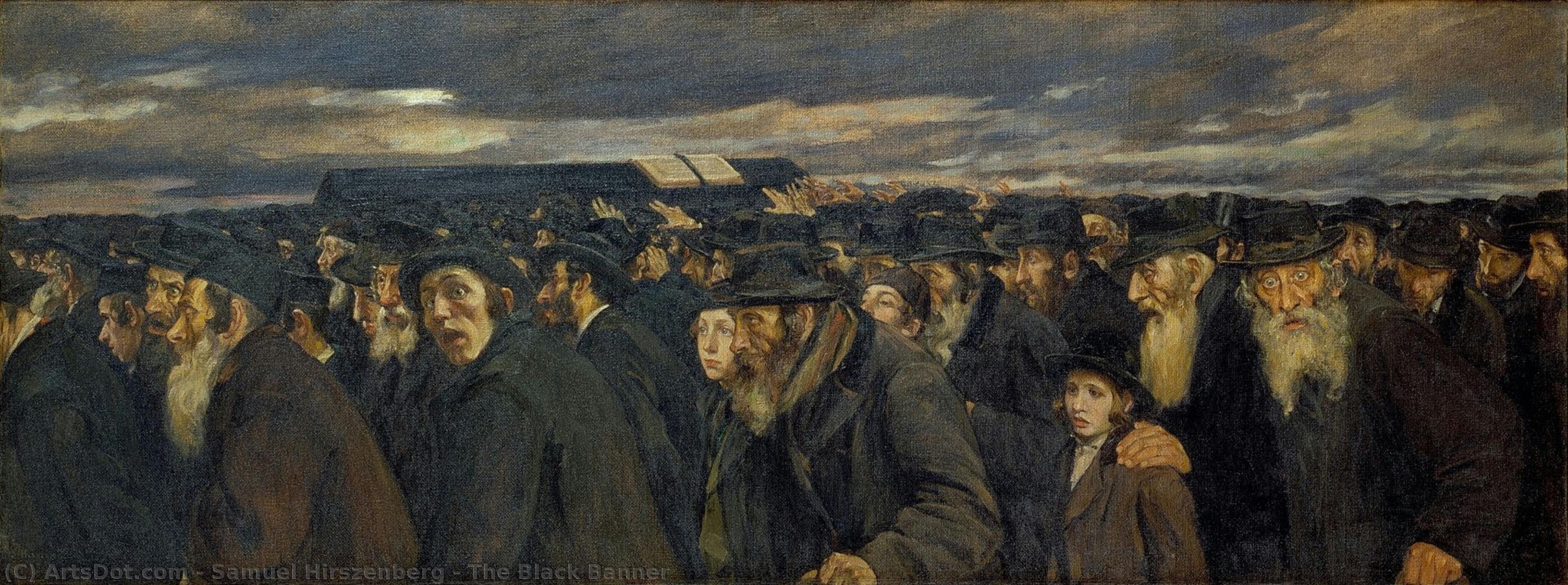
The Black Banner
 Oil On Canvas
- WallArt
- Realism
 1905
1905- Modern
 76.0 x 205.0 cm
 Музей еврейской культуры
 Читать далее
Жикле / Арт-принт
Печать (жикле) или холст музейного качества с быстрыми сроками изготовления и широким выбором вариантов отделки. ( Купить картину ручной работы Перейти к цифровым изображениям)




P118B $10

P118H $10

P118W $10

P438Z $10

P508JH $12

P508YH $12

P805H $10

P805Z $10

P919BZ $10

P919G $10

P919XJ $10

P959ZH $10

P968JZ $12

W106C $8

W218G $10

W218JH $8

W218Y $10

W307PJ $10

W316G $10

W316PJ $8

W316Y $10

W398PJ $8

W4111J $10

W500HY $15

W500JH $15

W692G $12

W849H $8

W940BG $15

W953PJ $8




Выберите один из наших стандартных размеров, соответствующих оригинальным пропорциям произведения искусства.

Вы можете указать свои собственные размеры, чтобы репродукция идеально подошла под конкретную раму или пространство. Если выбранный вами размер не будет соответствовать пропорциям оригинала, мы либо обрежем произведение, либо дополним изображение зеркальным отражением краев или однотонной заливкой. Перед началом производства вам будет отправлен цифровой макет для утверждения.
Пожалуйста, обратите внимание, что предварительный просмотр на экране не отображает фактическую обрезку или расширение изображения. Только макет точно покажет финальную композицию.
Несмотря на возможность заказа индивидуальных размеров, мы рекомендуем выбирать размер из предопределенного списка, чтобы сохранить оригинальные пропорции.
Доставка по всему миру () за 2 недели вместо стандартных 4/5 недель. (11 Сентябрь)

Бесплатная экспресс-доставка по всему миру

Высококачественный льняной холст

Полное страхование доставки

Гарантия возмещения таможенных пошлин

Гарантия точного соответствия цветов

100-дневная политика возврата (только при обнаружении дефектов)

Гарантия возврата 100% средств

Предложение оптовых скидок
 Вариант со стеклом доступен только для размеров менее 110 см

The Black Banner
Жикле / Арт-принт
Размер репродукции
-


Итоговая стоимость
$ 62
A Vision of Sorrow and Solidarity
In the hauntingly powerful oil on canvas, The Black Banner, Samuel Hirszenberg captures a moment of profound collective grief that transcends time. Painted in 1905, this monumental work serves as a visceral window into the turbulent landscape of Russian-dominated Poland at the dawn of the twentieth century. The composition presents a dense, somber crowd of figures, all unified by a sea of black clothing and mourning attire. As the eye wanders through the throng, it encounters a tapestry of human emotion; some faces are etched with silent despair, while others gaze outward with a haunting intensity. The sheer scale of the piece, measuring 76 x 205 cm, allows the viewer to feel submerged within the assembly, as if standing amidst the very mourners depicted on the canvas.
The technical mastery of Hirszenberg is evident in his ability to manipulate light and shadow to evoke a sense of heavy, atmospheric tension. The artist utilizes a realistic style, likely influenced by his rigorous training at the academies of Kraków and Munich, to render the textures of fabric, the grimness of the outdoor setting, and the subtle nuances of facial expressions. There is a deliberate, rhythmic quality to the placement of the figures, creating a sense of movement that leads the viewer toward the most poignant elements of the work. The sky above, visible through the gaps in the crowd, offers a stark, cold contrast to the dark, earthbound weight of the people below, emphasizing the isolation and the heavy burden of their shared reality.
The Weight of History and Symbolism
Beyond its formal beauty, The Black Banner is a deeply political and social document. Hirszenberg was a pioneer in using his brush to expose the harrowing plight of Jewish communities during the era of pogroms. The painting functions as more than just a portrait of a crowd; it is a symbolic representation of resilience in the face of devastation. The "black banner" suggested by the title and the somber palette serves as a metaphor for the mourning period of an entire people. One can almost sense the palpable tension in the air, where the terror of the individual—perhaps even reflected in the artist's own gaze—merges with the collective strength of the community.
For the discerning collector or interior designer, this artwork offers a profound emotional anchor for any space. It is a piece that demands contemplation, making it an ideal centerpiece for galleries, libraries, or sophisticated living environments where art is intended to provoke thought and conversation. A high-quality reproduction of this masterpiece allows one to bring this historical gravity into a contemporary setting, providing a sophisticated touch of academic depth and dramatic flair. To possess such a work is to hold a piece of history that speaks of the enduring human spirit, making it an invaluable addition to a curated collection of fine art.
Похожие произведения

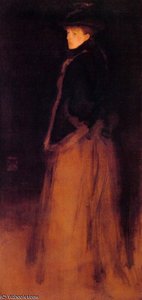

Биография художника
Samuel Hirszenberg: Life and Legacy
Early Life and Education
- Samuel (Shmuel) Hirszenberg was born on February 22, 1865, in Łódź, Poland, the eldest son of a weaving mill worker.
- Despite his father’s disapproval, he pursued his passion for art with financial assistance from a local doctor.
- He began his artistic training at the Academy of Fine Arts in Kraków at age 15, deeply influenced by the realistic style of Jan Matejko.
- From 1885 to 1889, he continued his studies at the Royal Academy of Arts in Munich.
Early Career and Recognition
- His early work, “Jeschibah” (1887), garnered significant attention.
- An exhibition at the Kunstverein Munich (1889) led to a silver medal at an art exhibition in Paris.
- He further honed his skills at the Académie Colarossi in Paris, completing his artistic education.
Return to Poland and Artistic Development
- In 1891, Hirszenberg returned to Poland and settled in Łódź in 1893.
- His early paintings – “Talmudic Studies,” “Sabbath Afternoon,” “Uriel Acosta,” and “The Jewish Cemetery” – initially aligned with the Jewish genre painting tradition of artists like Leopold Horowitz, Isidor Kaufmann, and Maurycy Gottlieb.
- However, his work gradually shifted towards Symbolism, exploring themes of Jewish history and exile.
Major Works and Themes
- His most renowned paintings from this period include “The Wandering Jew” (1899), “Exile” (1904), and “Czarny Sztandar / Black Flag” (1905).
- He spent over four years creating “The Eternal Jew,” exhibited at the Paris Salon in 1900, but was disappointed by its reception.
- His work often depicted themes of suffering, displacement, and Jewish identity.
Later Life and Legacy
- Disheartened by the lack of recognition, Hirszenberg took a year-long trip to Italy in 1901 for health reasons.
- In 1904, he moved to Kraków and immigrated to Palestine in 1907.
- He became a lecturer at the newly founded Bezalel School in Jerusalem, headed by Boris Schatz.
- Sadly, Hirszenberg died in Jerusalem on September 15, 1908, after a brief but intense creative period.
Historical Significance
- Samuel Hirszenberg is recognized as an important figure in Polish-Jewish art, bridging Realism and Symbolism.
- His evocative depictions of Jewish life, history, and exile continue to resonate with audiences today.
- He contributed significantly to the development of early Israeli art through his work at the Bezalel School.
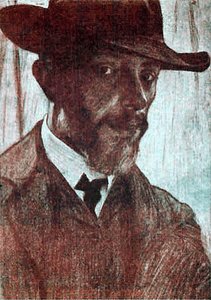
Samuel Hirszenberg
1865 - 1908 , Poland
Основные сведения
- Birth Date: February 22, 1865
- Birth Place: Łódź, Poland
- Death Date: September 15, 1908
- Influenced By: Jan Matejko
- Movement:
- Realism
- Symbolism
- Name: Samuel Hirszenberg
- Nationality: Polish-Jewish
- Notable Works:
- Jeschibah
- The Wandering Jew
- Exile
- Black Flag
- The Sabbath Rest
Похожие статьи

Топ-10 знаменитых картин в черных тонах: шедевры искусства для вашего интерьера
Погрузитесь в мир темных шедевров! Топ-10 знаменитых картин в черных тонах от Гойи, Рембрандта и Мунка. История искусства, техники живописи и вдохновение для вашего интерьера. Купите репродукции высокого качества на ArtsDot.com
Топ-10 произведений искусства, вызывающих глубокую грусть и размышления | ArtsDot
Погрузитесь в мир глубоких эмоций с топ-10 грустных картин мировой живописи. Узнайте истории Мунка, Ван Гога и Рембрандта. Репродукции шедевров для вашего интерьера – на ArtsDot.com
Топ-10 шедевров в оттенках черного: искусство, история и декор с ArtsDot
Погрузитесь в мир великих шедевров, где черный цвет – символ страсти и драмы. От Караваджо до Мунка, откройте историю искусства с ArtsDot. Купите репродукции картин онлайн и преобразите свой интерьер! Explore the full collection on ArtsDot.com
Топ-10 шедевров в тонах слоновой кости и черного: искусство, вдохновляющее интерьер
Погрузитесь в мир искусства с 10 шедеврами, где слоновая кость и черный создают завораживающие образы. Узнайте истории великих художников и вдохновитесь для создания уникального интерьера. Репродукции картин высокого качества на ArtsDot.com – искусство для вашего дома! Explore the full collection o
Топ-10 шедевров в тонах сажи: Искусство, история и декор от ArtsDot
Погрузитесь в мир темных тонов и драматизма! От Караваджо до Гойи – топ-10 знаменитых картин, где сажа создает неповторимую атмосферу. Репродукции высокого качества для вашего интерьера на ArtsDot.com