

 Предпросмотр
 Поделиться
 Поделиться
 Детали произведения

 Скачать
 Похожие работы
 Рентгенография
 Слайд-шоу
 Статистика
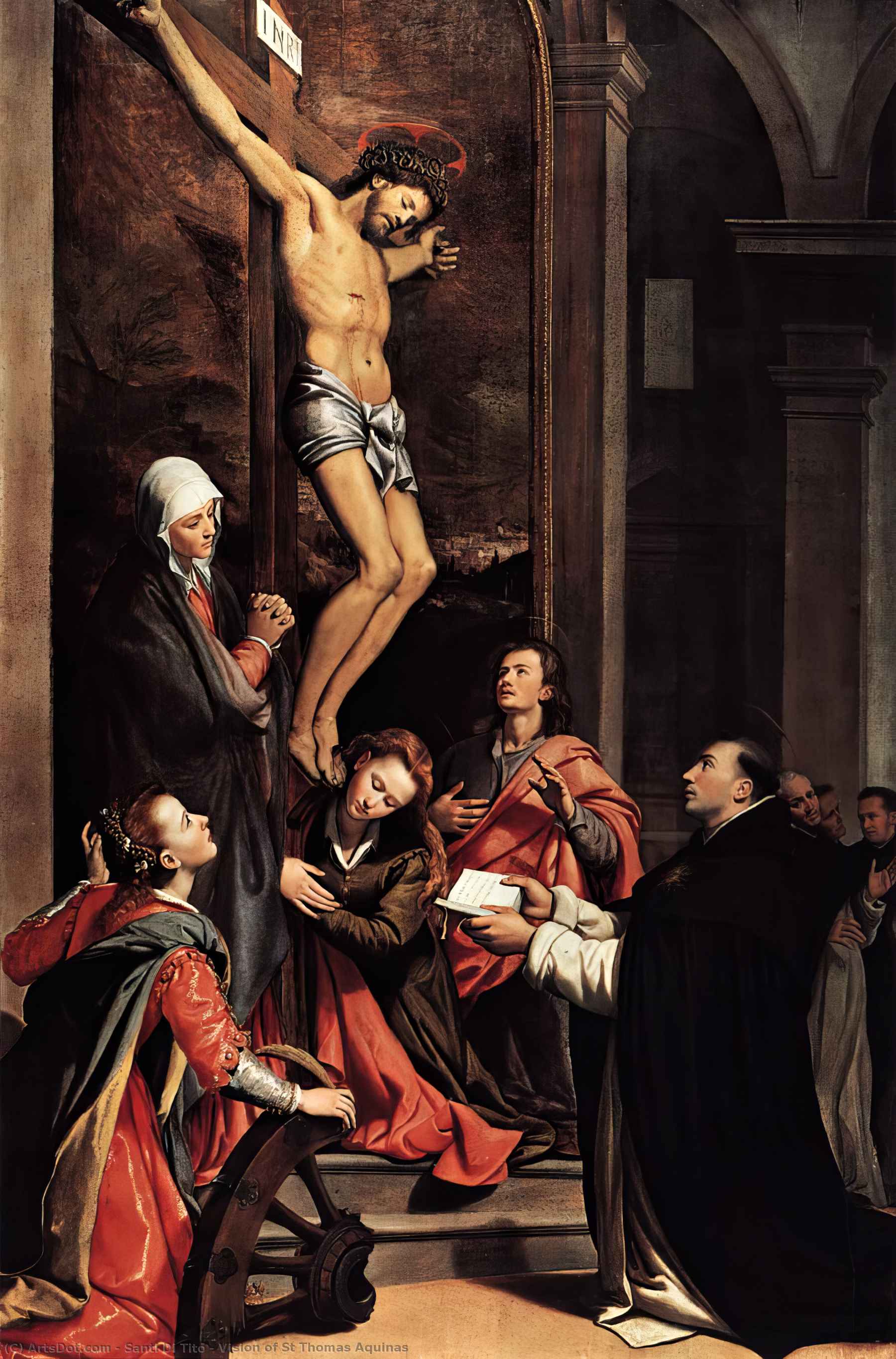
Vision of St Thomas Aquinas
 Oil On Panel
- WallArt
- Italian Baroque
 1593
1593- Early Modern
 362.0 x 233.0 cm
 Монастырь Сан-Марко
 Читать далее
Приобретите цифровое изображение высокого разрешения в улучшенном качестве, которое значительно превосходит онлайн-превью.
Каждый файл тщательно подготавливается нашими специалистами с использованием передовых инструментов и экспертной ручной ретуши. Мы гарантируем исключительную четкость, точную цветопередачу и детальную проработку каждого изображения.
Финальный файл доставляется по электронной почте в течение 72 часов и оптимизирован для немедленного использования в профессиональной среде, при верстке и печати. Это тот же уровень качества, которому доверяют ведущие дизайнерские студии, издательства и галереи.
Цифровое изображение
Скачайте файл высокого разрешения для личного использования, печати и творческих проектов. ( Перейти к печати Купить картину ручной работы)
Включено в каждый заказ цифровых изображений
Гарантия экспертной цифровой доставки
Выбирая ArtsDot.com, вы получаете не просто изображение — вы приобретаете профессионально обработанное цифровое произведение искусства, созданное с безупречной точностью и под защитой гарантии качества. Вот всё, что автоматически входит в ваш заказ:

Мгновенная доставка по e-mail
Ваш цифровой файл в высоком разрешении будет отправлен вам по электронной почте в течение 72 часов после оформления заказа — и сразу станет доступен для использования.

Цифровой файл с ИИ-улучшением
Ваше произведение искусства проходит профессиональную оптимизацию с использованием передовых инструментов ИИ и ручной обработки, что гарантирует максимальную детализацию, четкость и точность цветопередачи.

Бессрочная бесплатная повторная доставка
Случайно удалили или потеряли файл? Не беспокойтесь — мы отправим его вам повторно в любое время и совершенно бесплатно.

Без импортных пошлин — навсегда
Наслаждайтесь вашим произведением искусства мгновенно без таможенных пошлин, сборов или затрат на доставку — цифровые загрузки всегда не облагаются налогом.

Гарантия точности цветопередачи
Мы гарантируем, что ваше цифровое изображение максимально точно передает оригинальные цвета благодаря использованию профессиональных инструментов и систем управления цветом.

Гарантия удовлетворенности 100 дней
Если вы не будете удовлетворены своим цифровым изображением, мы внесем правки или вернем 100% стоимости в течение 100 дней — без лишних вопросов.

100% Гарантия возврата средств
Не удовлетворены покупкой? Получите полный возврат средств в течение 100 дней после получения цифрового файла — без лишних вопросов.

Скидки на оптовые заказы
Купите 3 изображения, сэкономьте 10% — Купите 5, сэкономьте 15% — Купите 10+, сэкономьте 20%. Отличное решение для творческих проектов, галерей и агентств.
A Divine Encounter in Florentine Gold
In the quiet, hallowed halls of the San Marco museum in Florence, there exists a window into the sublime: Santi di Tito’s Vision of St Thomas Aquinas. Completed in 1593, this monumental oil on panel does not merely depict a religious event; it invites the viewer to participate in a moment of profound spiritual revelation. The painting captures the legendary ecstasy of the Dominican friar, Thomas Aquinas, as he experiences a mystical encounter with the crucified Christ. At its heart, the composition is anchored by the central figure of Jesus, whose presence radiates a solemn gravity that commands the surrounding space. Through a masterful use of spatial layering—incorporating elements like a simple chair and bench to ground the scene—Di Tito creates an illusionistic depth that pulls the observer into the very sanctuary where this divine dialogue unfolds.
The emotional resonance of the work lies in its delicate balance between classical restraint and emotive fervor. Unlike the often distorted and theatrical Mannerist works of his era, Di Tito employs a style known as "Counter-Maniera," a refined approach that seeks clarity and naturalism. As one gazes upon the faces of the surrounding figures—monks and scholars rendered with meticulous psychological nuance—one feels the weight of their shared reverence. Their expressions, ranging from quiet contemplation to sorrowful piety, mirror the universal human experience of confronting the divine. For the collector or designer, this piece offers a profound sense of stillness and intellectual depth, making it an ideal centerpiece for spaces dedicated to reflection, study, or sophisticated classical elegance.
Mastery of Light and Florentine Tradition
Technically, the Vision of St Thomas Aquinas is a triumph of late Renaissance oil painting. Di Tito’s command over the medium allows for a luminous quality that breathes life into the drapery folds and the weathered textures of the monastic attire. The artist utilizes a palette of muted, sophisticated hues that emphasize the solemnity of the crucifixion, yet he avoids monochromatic gloom by strategically placing light to highlight the spiritual intensity of the saint's gaze. This interplay of light and shadow—a precursor to the dramatic chiaroscuro of the full Baroque period—serves to sculpt the figures, giving them a palpable, three-dimensional presence that feels almost tangible within the frame.
Beyond its aesthetic beauty, the painting serves as a historical bridge between the harmonious ideals of Raphael and the burgeoning naturalism of the 17th century. It embodies the humanist spirit of the age, where the pursuit of theological truth was inextricably linked to the observation of the natural world. To possess a high-quality reproduction of this masterpiece is to bring more than just decoration into an interior; it is to introduce a narrative of intellectual curiosity and unwavering faith. Whether placed in a grand library or a contemporary living space, Di Tito’s vision continues to inspire awe, offering a timeless connection to the rich artistic heritage of Florence.
Похожие произведения





Биография художника
The Architect of Counter-Maniera
In the vibrant, shifting landscape of late 16th-century Italy, few figures played as pivotal a role in redefining the visual language of Florence as Santi di Tito. Born in 1536, this master emerged during a period of profound artistic transition, standing at the crossroads between the highly stylized, artificial elegance of Mannerism and the burgeoning naturalism that would eventually blossom into the Baroque. While his contemporaries often sought refuge in the complex, elongated forms and intellectual puzzles of the Maniera, di Tito embarked on a different journey—one of reform, clarity, and a return to the profound grace of classical tradition.
The early years of his career were marked by significant collaborative endeavors that expanded his horizons far beyond the borders of Tuscany. Between 1558 and 1564, di Tito’s presence was felt in the grand halls of Rome, where he worked alongside talented peers such as Giovanni de’ Vecchi and Niccolò Circignani. Their monumental fresco projects at the Palazzo Salviati and the Sala Grande of the Belvedere served as a crucible for his developing style. It was during this Roman period that he began to absorb the Raphaelesque influences that would become the hallmark of his mature work, moving away from the crowded, ornamental aesthetics of the Zuccari brothers toward a more balanced and legible composition.
A Departure from Tradition
Upon his return to Florence in 1564, Santi di Tito did not merely rejoin the existing artistic community; he sought to transform it. As a member of the prestigious Accademia del Disegno, he became a central figure in a movement often described by historians as Counter-Maniera. This was not simply a rejection of style, but a profound intellectual shift. While his early contributions to Francesco I de’ Medici's Studiolo—such as The Sisters of Pheton and Hercules and Io—still echoed the stylized conventions of Florentine Mannerism, they contained the seeds of his later revolution.
Driven by a desire for greater naturalism and emotional sincerity, di Tito famously distanced himself from the influence of Bronzino. He viewed the prevailing trend of extreme artifice as a barrier to true artistic expression. Instead, he looked backward to the clarity of the High Renaissance and forward toward a more direct, humanistic approach to painting. His work began to emphasize:
- Classical Form: A renewed focus on anatomical accuracy and structural integrity.
- Clarity of Composition: Moving away from overwhelming, overcrowded scenes toward more legible and focused narratives.
- Innovative Color Palettes: The use of light and color to create depth and atmosphere rather than mere decorative effect.
Legacy and Historical Significance
The legacy of Santi di Tito is etched into the very fabric of Italian art history. By championing a style that favored clarity and naturalism, he paved the way for the dramatic innovations of the 17th century. His ability to marry the intellectual rigor of Florentine training with a new, accessible emotionality made him one of the most respected painters of his era. His prolific output, including monumental altarpieces such as The Resurrection for Santa Croce, demonstrated that art could be both profoundly beautiful and deeply communicative.
Ultimately, di Tito stands as a bridge between two worlds. He took the sophisticated, often impenetrable language of the late Renaissance and refined it into something more enduring and human. In doing so, he helped steer the course of Western art, ensuring that the transition from the complex Mannerist era to the emotive Baroque was marked by a profound respect for the classical foundations of beauty.

Santi di Tito
1536 - 1603 , Italy
Основные сведения
- Artistic Movement Or Style: Proto-Baroque & Counter-Maniera
- Artists Or Movements Influenced By This Artist:
- Vasari
- Alessandro Allori
- Artists Who Influenced This Artist:
- Titian
- Bronzino
- Date Of Birth: Florence, Italy (1536)
- Date Of Death: 1603
- Full Name: Santi di Tito
- Nationality: Italian
- Notable Artworks:
- Madonna and Child with the Infant Saint John the Baptist
- Vision of St Thomas Aquinas
- Saint Eustahe
- Place Of Birth: Florence