

 Предпросмотр
 Поделиться
 Поделиться
 Детали произведения

 Скачать
 Похожие работы
 Рентгенография
 Слайд-шоу
 Статистика
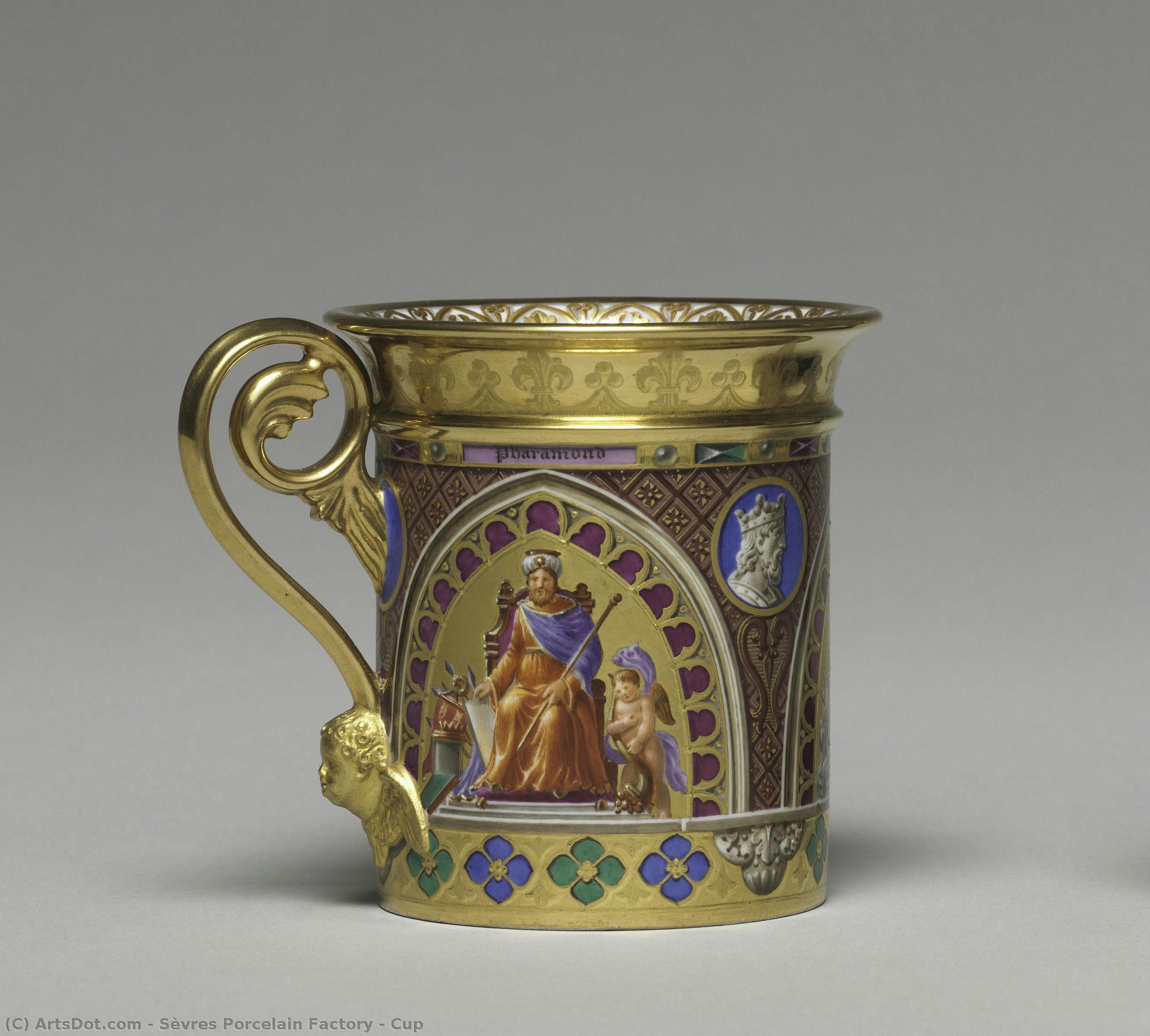
Cup
 1827
1827 8.0 x 10.0 cm
 Кливлендский музей искусств
 Читать далее
Масляная репродукция ручной работы
Картина маслом на холсте в выбранном вами размере и раме, написанная на заказ нашими художниками. ( Перейти к печати Перейти к цифровым изображениям)




































Выберите один из наших стандартных размеров, соответствующих оригинальным пропорциям произведения искусства.

Вы можете указать собственные размеры, чтобы картина идеально вписалась в выбранную раму или пространство. Если выбранный вами размер не соответствует пропорциям оригинала, мы либо обрежем полотно, либо расширим его за счет дополнительных элементов, написанных вручную. Цифровой макет будет отправлен вам на утверждение перед началом производства.
Обратите внимание, что предварительный просмотр на экране не отражает фактическую обрезку или расширение. Только макет точно покажет окончательную композицию.
Хотя доступны индивидуальные размеры, мы рекомендуем выбирать вариант из предопределенного списка, чтобы сохранить исходные пропорции.
После оформления заказа команда ArtsDot.com свяжется с клиентом по электронной почте для уточнения деталей и предоставит предварительный макет
Доставка по всему миру () за 3–4 недели вместо стандартных 5 недель. (11 Сентябрь). Без компромиссов в качестве.

Бесплатная экспресс-доставка по всему миру

Высококачественный льняной холст

Полное страхование доставки

Гарантия возмещения таможенных пошлин

Гарантия точного соответствия цветов

100-дневная политика возврата (только при обнаружении дефектов)

Гарантия возврата 100% средств

Предложение оптовых скидок
 Вариант со стеклом доступен только для размеров менее 110 см

Cup
Техника репродукции
Размер репродукции
-


Итоговая стоимость
$ 263
Похожие произведения








Биография художника
The Enduring Legacy of Sèvres Porcelain
For centuries, the name Sèvres has been synonymous with exquisite craftsmanship, unparalleled artistry, and the very pinnacle of porcelain production. More than simply a factory, Sèvres represents a cultural institution deeply interwoven with the history of France, its monarchy, and its evolving aesthetic sensibilities. The story begins not in Sèvres itself, but at Saint-Cloud, where in 1671, Adam Vincent established a faience manufactory. However, it was under Louis XIV’s ambitious patronage that the quest for true hard-paste porcelain – a material previously monopolized by China – truly began. Early attempts proved frustrating, and in 1756, Madame Hébert, a skilled chemist, unlocked the secrets of combining kaolin (white clay) with other ingredients to create a porcelain rivaling its Eastern counterpart. This breakthrough led to the relocation of the manufactory to Sèvres in 1756, marking a pivotal moment in French artistic history.Royal Patronage and Artistic Flourishing
The move to Sèvres coincided with an intensification of royal involvement. Louis XV became deeply fascinated by the possibilities of porcelain, envisioning it not merely as tableware but as a medium for sculptural masterpieces and decorative objects that would rival those produced for the court at Versailles. The factory flourished under this patronage, attracting some of the most talented artists of the era. Painters like François Boucher, Jean-Baptiste Oudry, and later, Alexandre-François Desportes, transferred their skills from canvas to porcelain, creating scenes brimming with rococo charm – playful allegories, idyllic landscapes, and delicate floral motifs. Sculptors such as Étienne-Maurice Falconet contributed innovative forms, pushing the boundaries of what was achievable in this demanding material. The *bleu celeste* glaze, a particularly vibrant shade of sky blue, became a signature color of Sèvres, instantly recognizable and highly coveted. During this period, Sèvres porcelain served not only functional purposes but also as diplomatic gifts, showcasing French artistry to foreign courts and solidifying the nation’s cultural prestige.Innovation in Technique and Form
The artisans of Sèvres were relentless innovators. They didn't simply replicate existing forms; they pioneered new techniques that set their work apart. The development of *pâte-sur-pâte*, a method of applying layers of porcelain slip to create relief decoration, demonstrated extraordinary technical skill and artistic control. Ground colors – intensely saturated pigments applied before firing – allowed for unprecedented richness and depth of hue. Furthermore, Sèvres mastered the art of gilding, employing intricate designs that often incorporated *mat gold* (a duller finish) alongside brighter, more reflective varieties. The factory also experimented with different shapes, moving beyond traditional forms to create elaborate vases, pot-pourri jars, and even complex sculptural groups. The influence of Oriental porcelain was evident in some designs, but Sèvres artists quickly adapted these motifs to suit European tastes, incorporating elements of classical mythology and contemporary fashion.From Revolution to Revival
The French Revolution brought upheaval to the Sèvres manufactory, as it did to all aspects of French society. Royal patronage ceased, and the factory was briefly nationalized. While production continued, the focus shifted away from extravagant displays of wealth towards more utilitarian objects. However, the Napoleonic era saw a revival of interest in luxury goods, and Sèvres once again rose to prominence, producing pieces that celebrated imperial grandeur. Throughout the 19th century, the factory adapted to changing tastes, embracing Neoclassical styles, Romantic motifs, and eventually, Art Nouveau designs. Despite periods of financial difficulty and competition from other European porcelain manufacturers, Sèvres maintained its reputation for exceptional quality and artistic innovation.A Continuing Symbol of French Excellence
Today, the Manufacture de Sèvres continues to operate, preserving traditional techniques while also embracing contemporary design. The museum at Sèvres houses an extraordinary collection of porcelain spanning centuries, offering a testament to the factory’s enduring legacy. Pieces from Sèvres are highly sought after by collectors worldwide, representing not only artistic beauty but also a significant piece of French history and cultural heritage. The influence of Sèvres can be seen in porcelain production across Europe and beyond, and its name remains synonymous with luxury, refinement, and the pursuit of perfection. It is a story of royal ambition, artistic genius, and unwavering dedication to craftsmanship – a story that continues to unfold with each exquisitely crafted piece.
Основные сведения
- Artistic Movement Or Style: Porcelain Manufacturing
- Date Of Death: Living
- Full Name: Sèvres Porcelain Factory