

 Предпросмотр
 Поделиться
 Поделиться
 Детали произведения

 Скачать
 Похожие работы
 Рентгенография
 Слайд-шоу
 Статистика
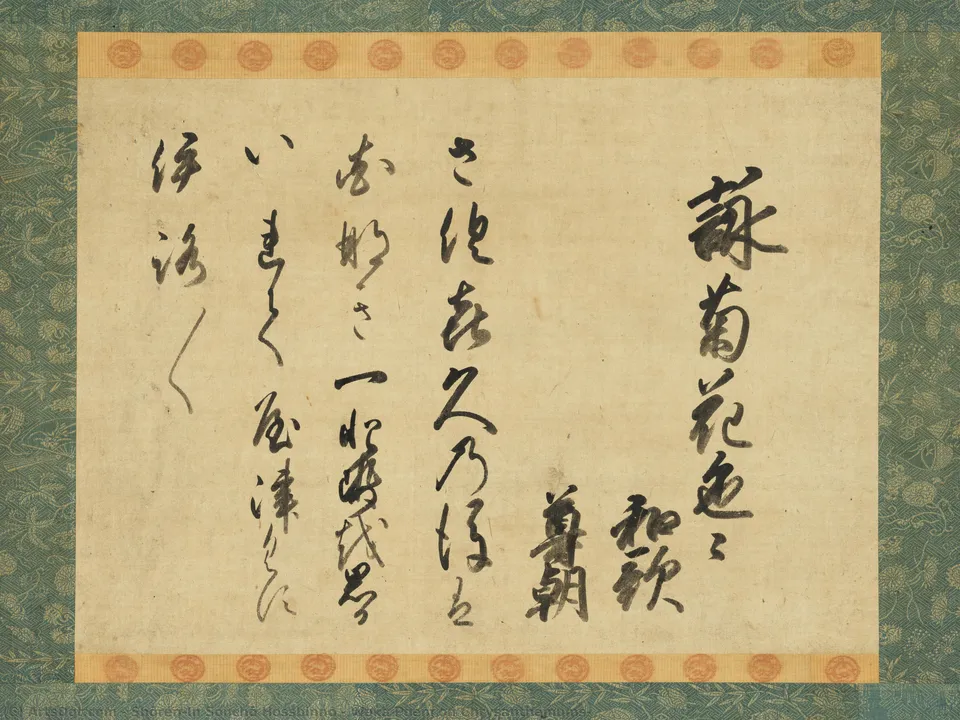
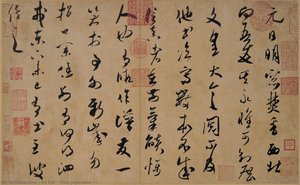
Waka Poem on Chrysanthemums
 Ink On Paper
 501
501- Late Medieval
 35.0cm x 49.0cm
 Читать далее
Приобретите цифровое изображение высокого разрешения в улучшенном качестве, которое значительно превосходит онлайн-превью.
Каждый файл тщательно подготавливается нашими специалистами с использованием передовых инструментов и экспертной ручной ретуши. Мы гарантируем исключительную четкость, точную цветопередачу и детальную проработку каждого изображения.
Финальный файл доставляется по электронной почте в течение 72 часов и оптимизирован для немедленного использования в профессиональной среде, при верстке и печати. Это тот же уровень качества, которому доверяют ведущие дизайнерские студии, издательства и галереи.
Цифровое изображение
Скачайте файл высокого разрешения для личного использования, печати и творческих проектов. ( Перейти к печати Купить картину ручной работы)
Включено в каждый заказ цифровых изображений
Гарантия экспертной цифровой доставки
Выбирая ArtsDot.com, вы получаете не просто изображение — вы приобретаете профессионально обработанное цифровое произведение искусства, созданное с безупречной точностью и под защитой гарантии качества. Вот всё, что автоматически входит в ваш заказ:

Мгновенная доставка по e-mail
Ваш цифровой файл в высоком разрешении будет отправлен вам по электронной почте в течение 72 часов после оформления заказа — и сразу станет доступен для использования.

Цифровой файл с ИИ-улучшением
Ваше произведение искусства проходит профессиональную оптимизацию с использованием передовых инструментов ИИ и ручной обработки, что гарантирует максимальную детализацию, четкость и точность цветопередачи.

Бессрочная бесплатная повторная доставка
Случайно удалили или потеряли файл? Не беспокойтесь — мы отправим его вам повторно в любое время и совершенно бесплатно.

Без импортных пошлин — навсегда
Наслаждайтесь вашим произведением искусства мгновенно без таможенных пошлин, сборов или затрат на доставку — цифровые загрузки всегда не облагаются налогом.

Гарантия точности цветопередачи
Мы гарантируем, что ваше цифровое изображение максимально точно передает оригинальные цвета благодаря использованию профессиональных инструментов и систем управления цветом.

Гарантия удовлетворенности 100 дней
Если вы не будете удовлетворены своим цифровым изображением, мы внесем правки или вернем 100% стоимости в течение 100 дней — без лишних вопросов.

100% Гарантия возврата средств
Не удовлетворены покупкой? Получите полный возврат средств в течение 100 дней после получения цифрового файла — без лишних вопросов.

Скидки на оптовые заказы
Купите 3 изображения, сэкономьте 10% — Купите 5, сэкономьте 15% — Купите 10+, сэкономьте 20%. Отличное решение для творческих проектов, галерей и агентств.
A Poetic Echo from the Imperial Court
In the delicate dance of ink upon aged paper, Waka Poem on Chrysanthemums offers a profound window into the spiritual and aesthetic heart of late sixteenth-century Japan. Created by the esteemed Shōren’in Sonchō Hosshinnō, this calligraphic masterpiece is far more than a mere inscription; it is a rhythmic meditation on time, nature, and the ephemeral beauty of existence. As a member of the imperial lineage and a practitioner of the Tendai sect, Sonchō infused his brushwork with a unique confluence of aristocratic grace and monastic introspection. The poem itself—a waka—revolves around the seasonal transition of chrysanthemums, using the fading of these noble flowers as a poignant metaphor for the passing of the year and the inevitable cycles of life.
The visual experience of this work is one of mesmerizing fluidity. Utilizing the highly specialized technique of sōgana, Sonchō employs extremely cursive Chinese characters that function phonetically, blurring the distinction between kanji and kana. This creates a breathtakingly dense texture where the black ink appears to pulse with its own internal energy. To the discerning eye, the composition reveals a masterful control of weight and space; while some characters stand in solitary grandeur, others intertwine in a complex, organic web that mimics the tangled beauty of a garden in late autumn. The interplay between the thick, sweeping strokes and the more delicate, wispy tails of the script provides a sense of movement that guides the viewer through the poem's contemplative journey.
The Artistry of the Three Brushes
For collectors and lovers of Japanese tradition, this piece represents the pinnacle of the shodō (calligraphy) tradition. Sonchō’s mastery is evident in his ability to balance the "heavy" visual weight of the dense script with the "light" breathing room of the aged, cream-colored paper. The subtle presence of a decorative border, accented with hints of green and gold, frames the central calligraphy like a precious relic, adding a layer of formal elegance that speaks to the work's courtly origins. This piece is not merely an object of study but an atmospheric treasure; its muted palette and organic textures evoke a sense of timelessness, making it an extraordinary focal point for any sophisticated interior.
Integrating a high-quality reproduction of such a significant historical work into a modern space allows for a profound emotional connection to the past. Whether placed in a quiet study or a grand gallery, the Waka Poem on Chrysanthemums invites a moment of stillness. It serves as a reminder of the beauty found in transition and the enduring power of the written word. For interior designers seeking to infuse a room with Zen-like tranquility and historical depth, this artwork offers an unparalleled opportunity to celebrate the sophisticated legacy of Japan's imperial calligraphers.
Похожие произведения

Биография художника
A Prince’s Brush: The Life and Art of Shōren’in Sonchō Hosshinnō
Shōren’in Sonchō Hosshinnō (1552-1597), a name resonating with the elegance of Kyoto's imperial past, was far more than simply a Buddhist priest. Born into a world steeped in tradition and artistic refinement, he embodied a unique confluence of aristocratic lineage, religious devotion, and poetic sensibility. As a member of the Tendai sect and a resident at the esteemed Shorenin Temple, Sonchō navigated a life that seamlessly blended spiritual practice with the pursuit of aesthetic excellence. His legacy rests not on grand-scale paintings or monumental sculptures, but rather on the delicate beauty of his *waka* poetry sheets—calligraphic works imbued with personal reflection and a profound connection to nature.Early Life and Religious Calling
The year 1552 saw the birth of Sonchō into an era defined by political upheaval and artistic flourishing in Japan. His aristocratic background afforded him access to a rigorous education, steeped in classical literature, calligraphy, and poetry. The Tendai sect, known for its syncretic approach blending Buddhist teachings with indigenous Japanese beliefs, provided a fertile ground for his intellectual and spiritual development. Shorenin Temple itself was a bastion of orthodox training in court styles of calligraphy, having served as the primary center for such studies for centuries. It was within these walls that Sonchō began to hone his skills, absorbing the nuances of brushwork and the principles of aesthetic composition. His decision to embrace the priesthood wasn’t merely a retreat from worldly affairs; it was an immersion into a tradition that valued contemplation, artistic expression, and a deep understanding of impermanence—themes that would come to define his work.The Art of Poetry and Calligraphy
Sonchō's art is inextricably linked to the practice of *waka*, a traditional form of Japanese poetry consisting of thirty-one syllables arranged in five lines with a specific syllable count (5-7-5-7-7). However, for Sonchō, *waka* was not simply about composing verses; it was about transforming those verses into visually stunning works of calligraphy. He is celebrated for his mastery of archaic kana calligraphy, particularly his use of *sōgana*, highly cursive Chinese characters employed phonetically in place of conventional kana syllables. This technique created a visual density and complexity that distinguished his work from more straightforward calligraphic styles. His signature style involved an intentional blurring of the lines between kanji and kana, resulting in compositions where each character possessed equal weight and importance. A prime example is his “Waka Poem on Chrysanthemums,” which showcases this deliberate approach—a slow, grand pace achieved through thickly brushed characters that seem to breathe with life.Influences and Artistic Development
While deeply rooted in the traditions of Shorenin Temple, Sonchō’s art wasn't devoid of external influences. The Metropolitan Museum of Art notes his connection to a lineage of court calligraphers who prioritized orthodox training. He was also demonstrably influenced by Hon’ami Kōetsu, another celebrated artist of the era known for his radical calligraphic compositions and innovative use of materials. Like Kōetsu, Sonchō embraced techniques that pushed the boundaries of conventional calligraphy, yet he maintained a distinct aesthetic sensibility—one characterized by elegance, restraint, and a profound respect for tradition. His work reflects a delicate balance between innovation and reverence, a testament to his deep understanding of both form and content.Legacy and Historical Significance
Shōren’in Sonchō Hosshinnō is remembered as one of the “Three Brushes” of the Kan’ei era (1624–1643), a period marked by significant developments in Japanese art and culture. While his output wasn't extensive, the quality and artistry of his surviving works have secured his place in history. He represents a fascinating intersection of aristocratic privilege, religious devotion, and artistic talent—a prince who chose to express his inner world through the delicate beauty of poetry and calligraphy. His work offers a glimpse into the aesthetic values of 16th-century Japan, reminding us of the power of art to transcend time and connect us to the past. He is not merely a historical figure; he is an embodiment of a refined sensibility—a testament to the enduring legacy of Japanese artistic tradition.
shōren’in sonchō hosshinnō
1552 - 1597 , Japan
Основные сведения
- Artistic Movement Or Style: Waka poetry, Tendai sect
- Date Of Birth: 1552
- Date Of Death: 1597
- Full Name: Shōren’in sonchō hosshinnō
- Nationality: Japanese
- Notable Artworks: ['Chrysanthemum waka poems']
- Place Of Birth: Kyoto, Japan