

 Предпросмотр
 Поделиться
 Поделиться
 Детали произведения

 Скачать
 Похожие работы
 Рентгенография
 Слайд-шоу
 Статистика
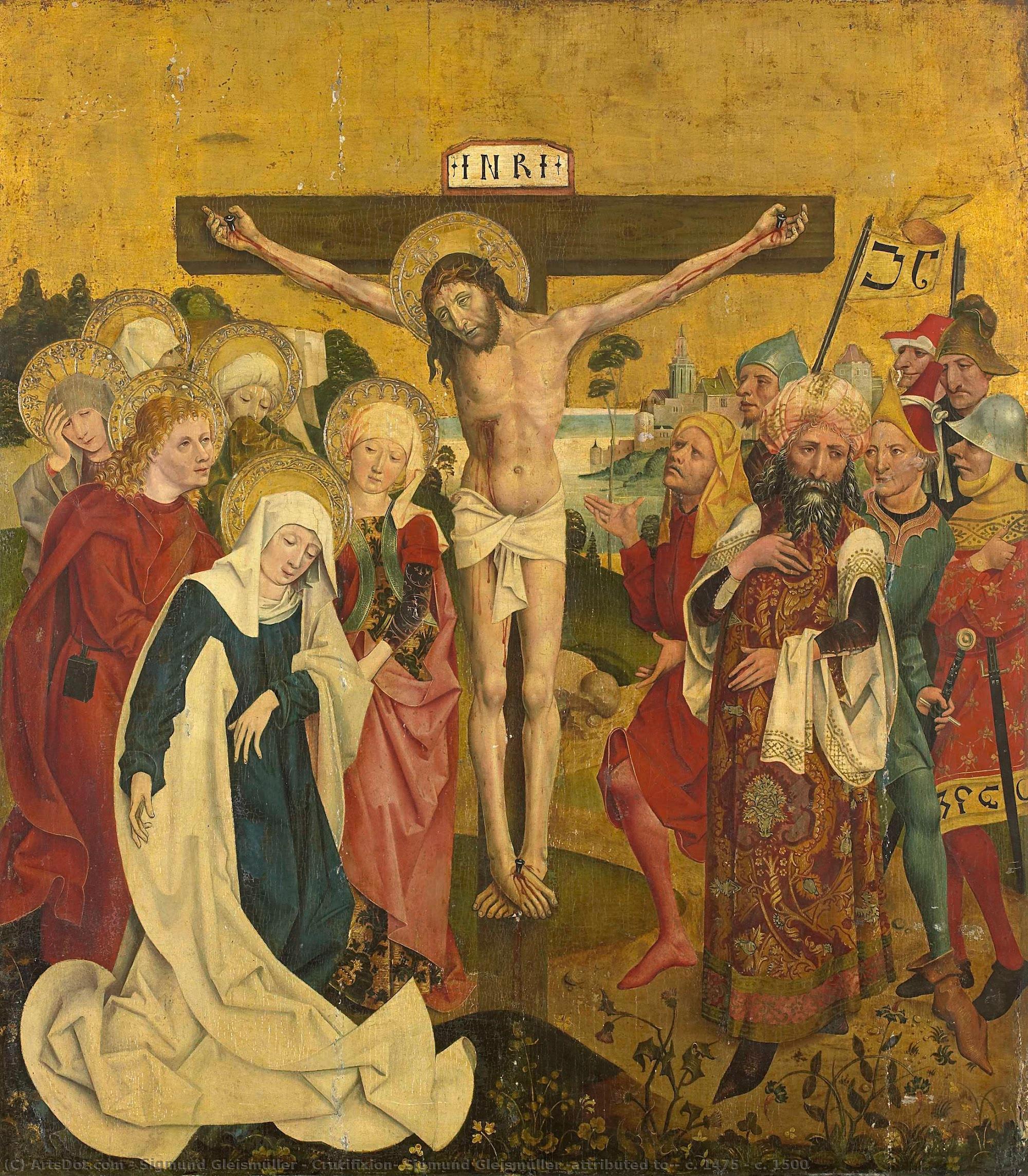
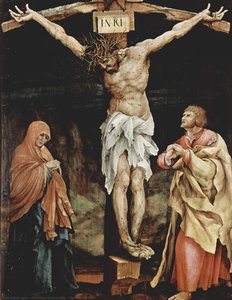
Crucifixion, Sigmund Gleismüller (attributed to), c. 1475 - c. 1500
 Early Renaissance
 1500
1500 124.0 x 108.0 cm
 Читать далее
Приобретите цифровое изображение высокого разрешения в улучшенном качестве, которое значительно превосходит онлайн-превью.
Каждый файл тщательно подготавливается нашими специалистами с использованием передовых инструментов и экспертной ручной ретуши. Мы гарантируем исключительную четкость, точную цветопередачу и детальную проработку каждого изображения.
Финальный файл доставляется по электронной почте в течение 72 часов и оптимизирован для немедленного использования в профессиональной среде, при верстке и печати. Это тот же уровень качества, которому доверяют ведущие дизайнерские студии, издательства и галереи.
Цифровое изображение
Скачайте файл высокого разрешения для личного использования, печати и творческих проектов. ( Перейти к печати Купить картину ручной работы)
Включено в каждый заказ цифровых изображений
Гарантия экспертной цифровой доставки
Выбирая ArtsDot.com, вы получаете не просто изображение — вы приобретаете профессионально обработанное цифровое произведение искусства, созданное с безупречной точностью и под защитой гарантии качества. Вот всё, что автоматически входит в ваш заказ:

Мгновенная доставка по e-mail
Ваш цифровой файл в высоком разрешении будет отправлен вам по электронной почте в течение 72 часов после оформления заказа — и сразу станет доступен для использования.

Цифровой файл с ИИ-улучшением
Ваше произведение искусства проходит профессиональную оптимизацию с использованием передовых инструментов ИИ и ручной обработки, что гарантирует максимальную детализацию, четкость и точность цветопередачи.

Бессрочная бесплатная повторная доставка
Случайно удалили или потеряли файл? Не беспокойтесь — мы отправим его вам повторно в любое время и совершенно бесплатно.

Без импортных пошлин — навсегда
Наслаждайтесь вашим произведением искусства мгновенно без таможенных пошлин, сборов или затрат на доставку — цифровые загрузки всегда не облагаются налогом.

Гарантия точности цветопередачи
Мы гарантируем, что ваше цифровое изображение максимально точно передает оригинальные цвета благодаря использованию профессиональных инструментов и систем управления цветом.

Гарантия удовлетворенности 100 дней
Если вы не будете удовлетворены своим цифровым изображением, мы внесем правки или вернем 100% стоимости в течение 100 дней — без лишних вопросов.

100% Гарантия возврата средств
Не удовлетворены покупкой? Получите полный возврат средств в течение 100 дней после получения цифрового файла — без лишних вопросов.

Скидки на оптовые заказы
Купите 3 изображения, сэкономьте 10% — Купите 5, сэкономьте 15% — Купите 10+, сэкономьте 20%. Отличное решение для творческих проектов, галерей и агентств.
Похожие произведения
Биография художника
The Enigmatic Vision of Sigmund Gleismüller
Sigmund Gleismüller remains a somewhat shadowy figure in the landscape of late 15th-century German art, yet his surviving works—particularly the compelling ‘Crucifixion’ attributed to him—offer a poignant glimpse into the devotional sensibilities and artistic currents of the period. Born sometime around the mid-15th century, Gleismüller's life details are frustratingly sparse; historical records offer little beyond the existence of this talented painter who flourished during a time of significant transition in religious art. He is believed to have been active primarily in Southern Germany, though pinpointing his exact geographical center remains elusive. This lack of biographical certainty only adds to the mystique surrounding his oeuvre, inviting speculation and deeper contemplation of the emotional power embedded within his paintings.A Master of Late Gothic Devotion
Gleismüller’s artistic style is firmly rooted in the late Gothic tradition, characterized by its emphasis on detailed realism, vibrant color palettes, and a profound sense of religious fervor. However, he wasn't merely a replicator of established forms; within this framework, Gleismüller demonstrated a unique ability to convey raw emotion and psychological depth. His figures are not simply representations of biblical characters but rather intensely human portrayals grappling with faith, suffering, and redemption. The ‘Crucifixion,’ his most well-known work, exemplifies this perfectly. The composition is dynamic, the scene filled with a palpable sense of grief and anguish. Christ’s body, rendered with meticulous anatomical accuracy, hangs heavy on the cross, while surrounding figures—Mary Magdalene, John the Evangelist, and other mourners—express their sorrow through expressive gestures and deeply etched facial features.Influences and Artistic Development
Tracing Gleismüller’s influences is a complex undertaking given the limited scope of his known works. Scholars suggest connections to the broader artistic milieu of Upper Rhine painting, particularly the influence of artists like Hans Holbein the Elder and Martin Schongauer. The meticulous detail in his work echoes the Northern Renaissance masters' preoccupation with realism, while the emotional intensity aligns with the devotional fervor prevalent in Southern German art of the period. It’s likely that Gleismüller benefited from a workshop environment, absorbing techniques and stylistic elements from various sources before forging his own distinctive voice. His development appears to have focused on refining his ability to depict human anatomy and emotion, moving beyond purely decorative or symbolic representations towards a more psychologically nuanced approach.The ‘Crucifixion’ and Lasting Significance
The attributed ‘Crucifixion,’ dating from approximately 1475-1500, stands as Gleismüller's most significant surviving achievement. This altarpiece is not merely a depiction of a biblical event; it’s an immersive experience designed to evoke empathy and spiritual contemplation in the viewer. The painting’s power lies in its ability to convey both the physical suffering of Christ and the profound emotional impact of his sacrifice on those who witnessed it. The use of color is particularly striking, with rich reds, blues, and golds creating a visually arresting composition that draws the eye and amplifies the scene's dramatic intensity. The work’s historical significance lies in its representation of a pivotal moment in religious art—the transition from the stylized forms of the Gothic period to the more naturalistic depictions of the Renaissance. While Gleismüller may not be as widely recognized as some of his contemporaries, his ‘Crucifixion’ serves as a testament to his skill and artistic vision, offering a compelling glimpse into the devotional world of late medieval Germany. It is a work that continues to resonate with viewers today, reminding us of the enduring power of faith, suffering, and redemption.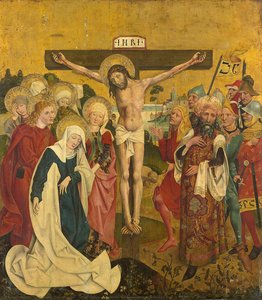
Основные сведения
- Artistic Movement Or Style: Renaissance
- Date Of Death: Living
- Full Name: Sigmund Gleismüller
- Notable Artworks: ['Crucifixion (attributed)']