

 Предпросмотр
 Поделиться
 Поделиться
 Детали произведения

 Скачать
 Похожие работы
 Рентгенография
 Слайд-шоу
 Статистика
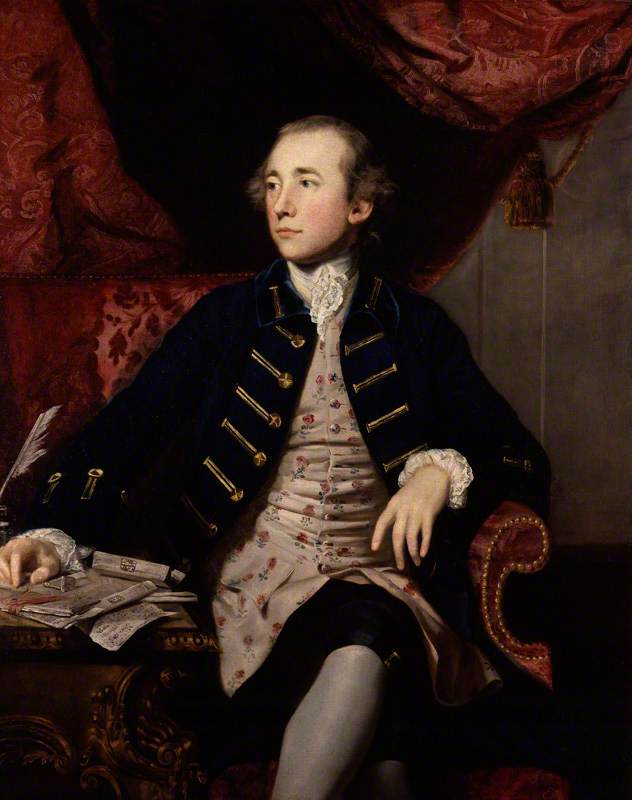
Warren Hastings
 Oil On Canvas
- WallArt
- Neoclassicism
 1768
1768 126.0 x 101.0 cm
 Читать далее
Приобретите цифровое изображение высокого разрешения в улучшенном качестве, которое значительно превосходит онлайн-превью.
Каждый файл тщательно подготавливается нашими специалистами с использованием передовых инструментов и экспертной ручной ретуши. Мы гарантируем исключительную четкость, точную цветопередачу и детальную проработку каждого изображения.
Финальный файл доставляется по электронной почте в течение 72 часов и оптимизирован для немедленного использования в профессиональной среде, при верстке и печати. Это тот же уровень качества, которому доверяют ведущие дизайнерские студии, издательства и галереи.
Цифровое изображение
Скачайте файл высокого разрешения для личного использования, печати и творческих проектов. ( Перейти к печати Купить картину ручной работы)
Включено в каждый заказ цифровых изображений
Гарантия экспертной цифровой доставки
Выбирая ArtsDot.com, вы получаете не просто изображение — вы приобретаете профессионально обработанное цифровое произведение искусства, созданное с безупречной точностью и под защитой гарантии качества. Вот всё, что автоматически входит в ваш заказ:

Мгновенная доставка по e-mail
Ваш цифровой файл в высоком разрешении будет отправлен вам по электронной почте в течение 72 часов после оформления заказа — и сразу станет доступен для использования.

Цифровой файл с ИИ-улучшением
Ваше произведение искусства проходит профессиональную оптимизацию с использованием передовых инструментов ИИ и ручной обработки, что гарантирует максимальную детализацию, четкость и точность цветопередачи.

Бессрочная бесплатная повторная доставка
Случайно удалили или потеряли файл? Не беспокойтесь — мы отправим его вам повторно в любое время и совершенно бесплатно.

Без импортных пошлин — навсегда
Наслаждайтесь вашим произведением искусства мгновенно без таможенных пошлин, сборов или затрат на доставку — цифровые загрузки всегда не облагаются налогом.

Гарантия точности цветопередачи
Мы гарантируем, что ваше цифровое изображение максимально точно передает оригинальные цвета благодаря использованию профессиональных инструментов и систем управления цветом.

Гарантия удовлетворенности 100 дней
Если вы не будете удовлетворены своим цифровым изображением, мы внесем правки или вернем 100% стоимости в течение 100 дней — без лишних вопросов.

100% Гарантия возврата средств
Не удовлетворены покупкой? Получите полный возврат средств в течение 100 дней после получения цифрового файла — без лишних вопросов.

Скидки на оптовые заказы
Купите 3 изображения, сэкономьте 10% — Купите 5, сэкономьте 15% — Купите 10+, сэкономьте 20%. Отличное решение для творческих проектов, галерей и агентств.
A Glimpse into Enlightenment Grandeur: Reynolds' Portrait of Warren Hastings
To stand before this portrait of Warren Hastings is to step directly into the gilded drawing rooms of the late eighteenth century, a time when intellectual fervor met aristocratic display. Sir Joshua Reynolds, master chronicler of Georgian society, has captured not merely a likeness, but an entire persona—the embodiment of Enlightenment authority and cultivated power. The sitter, clad in a striking blue coat accented with gleaming gold buttons, exudes an air of composed gravitas. His posture, seated with hands crossed over his lap, suggests deep contemplation; he gazes slightly off-camera, inviting the viewer to wonder at the thoughts occupying such a formidable mind.
Mastery of Form and Technique
Reynolds’ technique here is nothing short of breathtaking. He possesses an unparalleled ability to render texture—the crisp fold of the blue wool against the soft sheen of his skin, the subtle gleam on the gold fastenings. The handling of light across the subject's face is masterful, sculpting planes and shadows that give the portrait a profound three-dimensionality. Notice the careful placement of symbolic objects: the visible books near the lower left corner speak to erudition and jurisprudence, while the cup resting nearby hints at intellectual discourse or perhaps a moment paused during weighty deliberation. These elements are not mere props; they are carefully orchestrated components contributing to the narrative weight of the piece.
The Context of Power and Intellect
Painted in 1768, this work situates itself within a period of immense cultural flowering in Britain. Warren Hastings himself was a figure of significant historical consequence, a man whose life intersected with the highest echelons of colonial administration and political thought. Reynolds, ever attuned to the tastes of his elite patrons, understood that portraiture during this era was rarely just about vanity; it was a carefully constructed statement of status, intellect, and societal contribution. Owning such a piece connects one’s space not only to art history but to the very currents of global power and philosophical debate.
Emotional Resonance for the Modern Collector
For the contemporary collector or designer, this reproduction offers more than just decoration; it offers an atmosphere. It is a conversation starter, imbued with the quiet dignity of historical achievement. The emotional impact is one of respectful awe—a sense of being privy to a moment of profound thought. Whether placed in a library, a formal study, or a grand reception hall, this artwork anchors a space with undeniable cultural weight. Reproducing Reynolds’ genius allows you to bring the sophisticated drama and polished elegance of Georgian portraiture into your modern life, making it a timeless centerpiece that speaks volumes without uttering a single word.
Похожие произведения
Биография художника
A Luminary of the Enlightenment: The Life and Art of Sir Joshua Reynolds
Sir Joshua Reynolds, born in 1723 in the charming Devonshire town of Plympton, stands as a towering figure in the annals of British art. His life coincided with a period of profound cultural transformation – the Age of Enlightenment – and his artistic journey profoundly shaped the course of portraiture in England. From humble beginnings, nurtured by a scholarly father, Reynolds’ innate talent for observation and representation blossomed under the tutelage of Thomas Hudson in London, laying the foundation for a career that would ultimately define an era. Hudson's studio wasn’t merely a place of apprenticeship; it was a vibrant microcosm of fashionable society, exposing young Reynolds to the intricate demands and expectations of aristocratic patrons – a crucial element in understanding his later artistic approach. It wasn’t simply about replicating likeness; it was about constructing an image that reflected status, taste, and aspiration, a subtle yet powerful form of social commentary.Forging a ‘Grand Style’ for British Portraiture
Reynolds didn't merely absorb the techniques he learned from Hudson; he embarked on a deliberate quest for artistic innovation, deeply influenced by the masters of antiquity – Raphael, Michelangelo, and Titian. A pivotal moment in his development arrived with his sojourn to Rome in 1750. There, immersed in the heart of classical art, Reynolds absorbed the principles of the ‘Grand Style’ – an approach that prioritized idealized beauty, dramatic composition, and often incorporated allusions to history or mythology. He sought to elevate British portraiture beyond mere representation, imbuing it with a sense of dignity, intellectual weight, and a connection to the enduring values of the past. This ambition led him to experiment with incorporating elements of history painting into his work, frequently depicting his subjects in elaborate costumes and settings reminiscent of classical narratives or historical events – a deliberate strategy designed to elevate their status and imbue them with an aura of timelessness. Reynolds wasn’t simply capturing individuals; he was crafting enduring images that spoke to the ideals of power, intellect, and refinement.The First President and Champion of the Royal Academy
Reynolds' influence extended far beyond his own canvas. Recognizing the need for a formalized institution dedicated to fostering artistic talent and promoting national identity, he played a crucial role in establishing the Royal Academy of Arts in 1768. He was unanimously elected its first president – a position he held with unwavering dedication until his death in 1792. This wasn’t merely a title; it represented a profound shift in the perception of artists within British society. Reynolds tirelessly advocated for the importance of art education, championed the recognition of artists as professionals deserving of respect and patronage, and actively sought to elevate the status of painting alongside other liberal arts. His annual Discourses – lectures delivered to Academy students – became seminal texts on artistic theory and practice, outlining his vision for a distinctly British school of painting rooted in both tradition and innovation. He stressed the importance of meticulous observation of nature, rigorous technical skill, and cultivating an imaginative spirit—a holistic approach designed to nurture truly original artists. Reynolds’ leadership fundamentally transformed the landscape of British art, elevating its status and laying the groundwork for future generations of artistic achievement.Capturing an Era: Notable Works and Enduring Legacy
Reynolds' prolific output encompassed a vast array of portraits, each reflecting the personality and social standing of its subject. His portrait of Duke of Devonshire exemplifies his ability to capture aristocratic power and sophistication with subtle details and masterful composition. The painting exudes an air of authority and refinement, showcasing Reynolds’ skill in conveying both physical likeness and psychological depth. Similarly, Peter Darnell Muilman, Charles Crokatt and William Keable in a Landscape demonstrates his talent for integrating figures seamlessly into natural settings – a technique that added dynamism and narrative to his compositions. Mr and Mrs William Lindow offers a compelling glimpse into the intimacy and social dynamics of family life, revealing Reynolds’ ability to capture nuanced emotions and relationships. Beyond individual portraits, Reynolds excelled at group compositions, skillfully arranging multiple figures within a single frame to create dynamic and engaging narratives that reflected the complexities of British society. His works weren't simply technical exercises; they were carefully constructed stories—portraying the essence of an era through meticulously crafted images. Reynolds’ impact on British art is immeasurable. He not only established portraiture as a respected genre but also profoundly shaped the cultural identity of a nation undergoing rapid social and political change. His emphasis on the ‘Grand Style’ inspired generations of artists, while his leadership of the Royal Academy laid the foundation for the development of a thriving artistic community. Today, his paintings continue to captivate audiences with their elegance, psychological depth, and historical significance—a testament to the enduring power of his vision and artistry. His works are proudly displayed in prestigious collections across the globe, including the Tate Britain in London and the Royal Collection at Hampton Court Palace, ensuring that his legacy will continue to inspire and inform for centuries to come.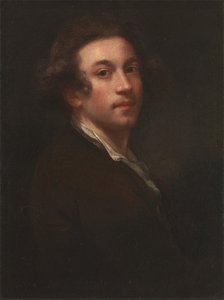
Рейнольдс
1723 - 1792 , Великобритания
Основные сведения
- Artistic Movement Or Style: Гранд Стиль портрета
- Artists Or Movements Influenced By This Artist: ['Томас Худсон']
- Artists Who Influenced This Artist: ['Томас Гадсон']
- Date Of Birth: 1723
- Date Of Death: 1792
- Full Name: Sir Joshua Reynolds
- Nationality: Британский
- Notable Artworks:
- Портрет герцога Девоншира
- Мистер и миссис Уильям Линдоу
- Place Of Birth: Плимут, Великобритания