


 Предпросмотр
 Поделиться
 Поделиться
 Детали произведения

 Скачать
 Похожие работы
 Рентгенография
 Слайд-шоу
 Статистика
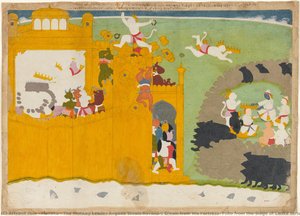
Tur Beheads Iraj
 1535
1535 32.0 x 23.0 cm
 Читать далее
Жикле / Арт-принт
Печать (жикле) или холст музейного качества с быстрыми сроками изготовления и широким выбором вариантов отделки. ( Купить картину ручной работы Перейти к цифровым изображениям)




































Выберите один из наших стандартных размеров, соответствующих оригинальным пропорциям произведения искусства.

Вы можете указать свои собственные размеры, чтобы репродукция идеально подошла под конкретную раму или пространство. Если выбранный вами размер не будет соответствовать пропорциям оригинала, мы либо обрежем произведение, либо дополним изображение зеркальным отражением краев или однотонной заливкой. Перед началом производства вам будет отправлен цифровой макет для утверждения.
Пожалуйста, обратите внимание, что предварительный просмотр на экране не отображает фактическую обрезку или расширение изображения. Только макет точно покажет финальную композицию.
Несмотря на возможность заказа индивидуальных размеров, мы рекомендуем выбирать размер из предопределенного списка, чтобы сохранить оригинальные пропорции.
Доставка по всему миру () за 2 недели вместо стандартных 4/5 недель. (15 Сентябрь)

Бесплатная экспресс-доставка по всему миру

Высококачественный льняной холст

Полное страхование доставки

Гарантия возмещения таможенных пошлин

Гарантия точного соответствия цветов

100-дневная политика возврата (только при обнаружении дефектов)

Гарантия возврата 100% средств

Предложение оптовых скидок
 Вариант со стеклом доступен только для размеров менее 110 см

Tur Beheads Iraj
Жикле / Арт-принт
Размер репродукции
-


Итоговая стоимость
$ 62
Похожие произведения
Биография художника
The Enigmatic Brush of Muhammad: A Life Shrouded in Tradition
Muhammad, an Iranian artist whose life remains largely undocumented beyond the works attributed to him, stands as a compelling figure within the realm of Persian miniature painting. Born sometime in the early to mid-19th century – precise dates are elusive – he flourished during a period of significant transition for the art form. The Qajar dynasty (1789-1925) was in power, and while they initially patronized traditional arts like manuscript illumination, European influences were steadily gaining ground. This context profoundly shaped Muhammad’s artistic trajectory, resulting in a style that is both deeply rooted in classical Persian aesthetics and subtly responsive to the changing visual landscape of his time. Little is known about his early life or training; it's presumed he received instruction within a traditional *ustād-shāgird* (master-apprentice) system common to Persian art, likely in one of the major artistic centers like Isfahan, Tehran, or Shiraz. The scarcity of biographical details only adds to the mystique surrounding his paintings, encouraging viewers to focus solely on the exquisite artistry itself. His work is characterized by a delicate balance between narrative detail and poetic abstraction, often depicting scenes from classical Persian literature – notably the *Shāhnāmeh* (Book of Kings) and the *Divān* of Hafez – as well as courtly life and romantic encounters.A Synthesis of Tradition and Innovation
Muhammad’s paintings are immediately recognizable for their refined technique and distinctive color palette. He masterfully employed traditional materials—watercolor, gold leaf, and lapis lazuli—on paper or parchment, building up layers of translucent washes to create a luminous effect. His figures, though small in scale, possess remarkable expressiveness and individuality; each gesture, facial expression, and article of clothing is rendered with meticulous attention to detail. However, Muhammad was not merely a replicator of past styles. He subtly incorporated elements that reflect the influence of European art, particularly in his use of perspective and spatial composition. While he did not abandon the flattened picture plane characteristic of Persian miniatures, he experimented with creating a greater sense of depth and realism through techniques like atmospheric perspective – softening outlines and diminishing colors to suggest distance. This blending of traditional and innovative approaches is perhaps the most defining feature of his work. He also demonstrated a keen understanding of *tasvir*, the art of visual representation in Islamic culture, skillfully navigating the complexities of depicting human figures within a religious context that often discouraged direct imitation of life. His compositions are rarely static; they are dynamic and engaging, filled with movement and narrative tension.Themes and Motifs: Echoes of Persian Poetry
The subject matter of Muhammad’s paintings consistently draws upon the rich literary heritage of Persia. The *Shāhnāmeh*, a monumental epic poem by Ferdowsi, appears frequently in his oeuvre, offering him ample opportunity to depict heroic battles, royal processions, and tragic love stories. He often focused on dramatic moments from the narrative, such as Rostam’s legendary feats or the downfall of tyrannical kings. Beyond the *Shāhnāmeh*, Muhammad also drew inspiration from the lyrical poetry of Hafez, a 14th-century Persian mystic whose verses are renowned for their ambiguity and symbolism. His paintings based on Hafez often depict scenes of wine drinking, musical gatherings, and romantic longing – themes that resonate with the Sufi tradition of using earthly pleasures as metaphors for divine love. Recurring motifs in his work include lush gardens, flowing water, cypress trees (symbols of immortality), and nightingales (associated with passionate love). These elements are not merely decorative; they contribute to the overall mood and meaning of the paintings, creating a visual language that is deeply imbued with Persian cultural symbolism. The use of gold leaf is particularly significant, representing both wealth and spiritual illumination.Legacy and Historical Significance
Despite the limited information available about his life, Muhammad’s work has had a lasting impact on the development of Persian miniature painting. His paintings are highly sought after by collectors and museums worldwide, and they serve as important examples of the artistic achievements of the Qajar period. He represents a crucial link between the classical traditions of Persian art and the modern era. While many artists during his time were abandoning traditional techniques in favor of European styles, Muhammad managed to synthesize the two approaches, creating a unique and compelling aesthetic that is both faithful to the past and forward-looking. His subtle incorporation of Western elements, without sacrificing the essential qualities of Persian miniature painting, paved the way for future generations of artists who sought to modernize the art form while preserving its cultural heritage. The historical significance of his work also lies in its ability to provide insights into the social and cultural life of 19th-century Persia. His paintings offer glimpses into courtly customs, religious beliefs, and literary tastes – providing valuable documentation of a period that is often poorly understood.A Continuing Enigma
The enduring appeal of Muhammad’s paintings stems not only from their technical brilliance but also from the sense of mystery surrounding their creator. The lack of biographical information encourages viewers to engage with the works on a purely aesthetic level, allowing them to appreciate the artistry without being distracted by extraneous details.- His mastery of color and composition
- The evocative power of his imagery
- The subtle symbolism embedded within his paintings
Основные сведения
- Artistic Movement Or Style: Persian Miniature
- Date Of Death: Living
- Full Name: Sultan Muhammad
- Nationality: Iranian
- Notable Artworks: ['Unknown - Attributed works']
- Place Of Birth: Iran