

 Предпросмотр
 Поделиться
 Поделиться
 Детали произведения

 Скачать
 Похожие работы
 Рентгенография
 Слайд-шоу
 Статистика
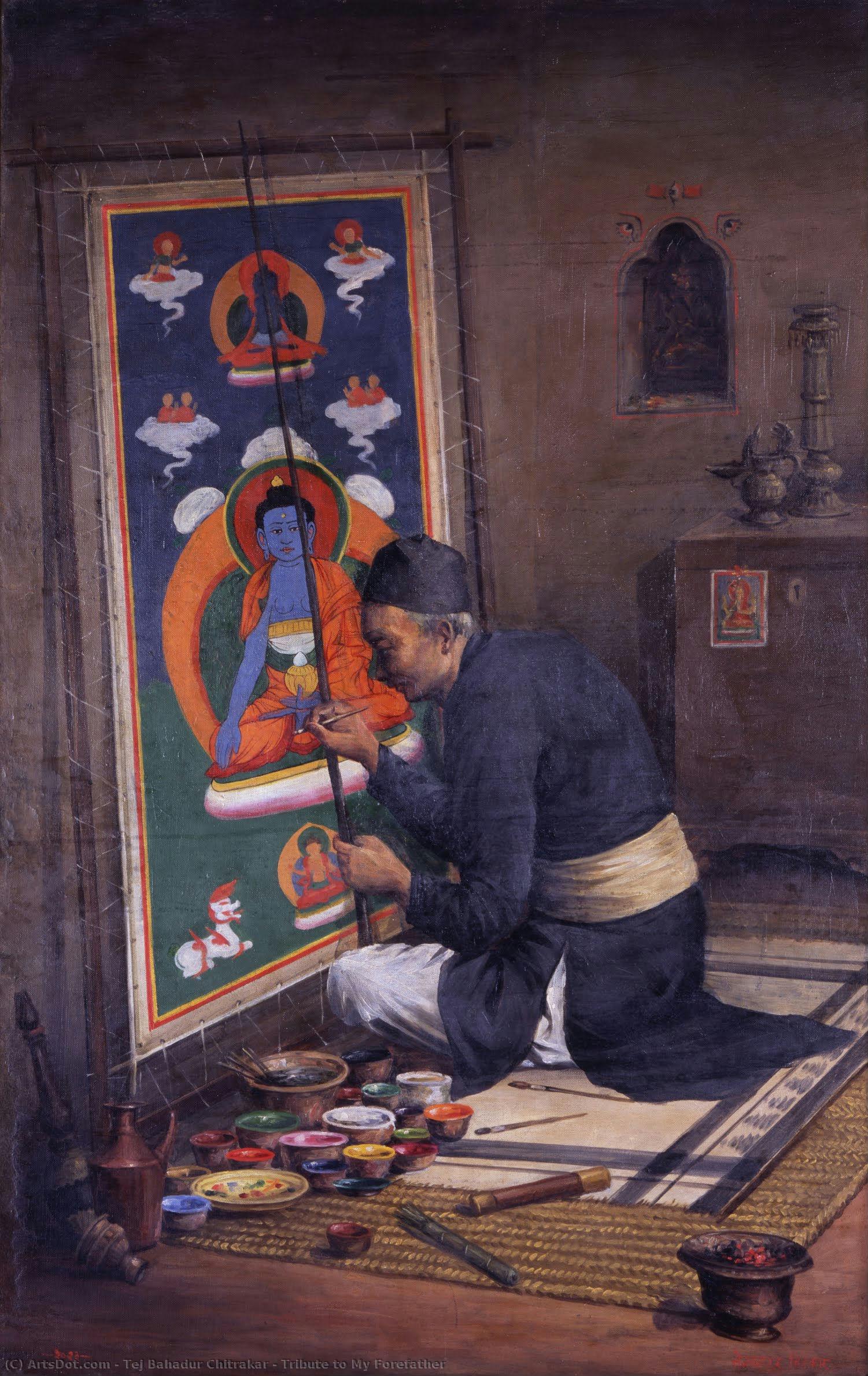
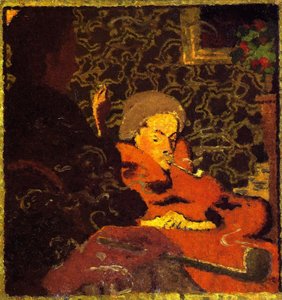
Tribute to My Forefather
 76.0 x 120.0 cm
 Fukuoka Asian Art Museum
 Читать далее
Жикле / Арт-принт
Печать (жикле) или холст музейного качества с быстрыми сроками изготовления и широким выбором вариантов отделки. ( Купить картину ручной работы Перейти к цифровым изображениям)




































Выберите один из наших стандартных размеров, соответствующих оригинальным пропорциям произведения искусства.

Вы можете указать свои собственные размеры, чтобы репродукция идеально подошла под конкретную раму или пространство. Если выбранный вами размер не будет соответствовать пропорциям оригинала, мы либо обрежем произведение, либо дополним изображение зеркальным отражением краев или однотонной заливкой. Перед началом производства вам будет отправлен цифровой макет для утверждения.
Пожалуйста, обратите внимание, что предварительный просмотр на экране не отображает фактическую обрезку или расширение изображения. Только макет точно покажет финальную композицию.
Несмотря на возможность заказа индивидуальных размеров, мы рекомендуем выбирать размер из предопределенного списка, чтобы сохранить оригинальные пропорции.
Доставка по всему миру () за 2 недели вместо стандартных 4/5 недель. (11 Сентябрь)

Бесплатная экспресс-доставка по всему миру

Высококачественный льняной холст

Полное страхование доставки

Гарантия возмещения таможенных пошлин

Гарантия точного соответствия цветов

100-дневная политика возврата (только при обнаружении дефектов)

Гарантия возврата 100% средств

Предложение оптовых скидок
 Вариант со стеклом доступен только для размеров менее 110 см

Tribute to My Forefather
Жикле / Арт-принт
Размер репродукции
-


Итоговая стоимость
$ 62
Похожие произведения






Биография художника
Tej Bahadur Chitrakar: A Pioneer of Modern Nepali Art
Early Life and Background
Tej Bahadur Chitrakar (1898–1971) was a Nepalese artist who played a pivotal role in the development of contemporary art in Nepal during the early 20th century. Born in Lalitpur, Nepal, as the second son to Shivadas and Ashamati, he came from a lineage deeply rooted in artistic tradition. His family belonged to the Chitrakar caste of the Newar community, traditionally entrusted with the creation of religious paintings since the 14th century AD under the Malla rulers.
Education and Training
Tej Bahadur’s exceptional talent was evident from a young age. In 1918, he became one of the earliest Nepalese artists to attend the Government College of Fine Art in Calcutta (now Kolkata), India. Sponsored by Prime Minister Chandra Shumsher, he received formal training and earned a degree in fine art with distinction in portraiture using oil paints in 1927. This education was instrumental in shaping his artistic vision and introducing him to Western techniques.
Artistic Development and Style
Upon returning to Nepal in 1929, Chitrakar spearheaded a significant shift in the Nepalese art scene. He moved away from strictly traditional religious art – which adhered to ancient textual descriptions – towards modern Western-style paintings. His work represented a fusion of these two worlds, blending traditional motifs and techniques with contemporary aesthetics. He was particularly known for his portraits and Patachitra works.
Major Achievements and Contributions
- Bridging Traditions: Chitrakar successfully integrated Western artistic principles into the Nepalese context, creating a unique style that resonated with both traditional sensibilities and modern tastes.
- Art Education: He dedicated himself to art education, teaching at Durbar High School and later becoming the head of Juddha Art School, nurturing generations of Nepali artists.
- Promoting Nepali Art: Chitrakar initiated ‘Chitrakala Udhyog Sangh’ (now defunct) with the aim of promoting and supporting Nepali art and artists.
- Expanding Artistic Themes: He broadened the scope of Nepalese painting beyond purely religious subjects, exploring portraiture, landscapes, and social themes.
Influences
Chitrakar’s artistic development was significantly influenced by his formal training in Calcutta, where he absorbed Western techniques in oil painting and portraiture. However, his upbringing within the Chitrakar caste and the rich tradition of Newari art also profoundly shaped his aesthetic sensibilities. He drew inspiration from traditional Patachitra styles while simultaneously embracing modern artistic trends.
Historical Significance
Tej Bahadur Chitrakar is recognized as a key figure in Nepal’s art history, credited with laying the foundation for modern Nepali art. His pioneering work paved the way for subsequent generations of artists to explore new styles and themes. Many of his enduring paintings are now held in prestigious art galleries worldwide, serving as a testament to his artistic legacy and contribution to Nepalese cultural heritage. He remains an iconic figure for those seeking to understand the evolution of Nepali art.
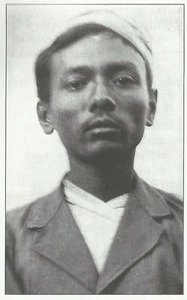
tej bahadur chitrakar
1898 - 1971 , Nepal
Основные сведения
- Birth Date: 1898
- Birth Place: Lalitpur, Nepal
- Death Date: 1971
- Movement: Modern Nepali Art, Patachitra
- Name: Tej Bahadur Chitrakar
- Nationality: Nepalese
- Notable Works:
- Patachitra on Environment Conservation
- Tribute to My Forefather
- Patachitra on Women
- Patachitra of Babu-Bibi