

 Предпросмотр
 Поделиться
 Поделиться
 Детали произведения

 Скачать
 Похожие работы
 Рентгенография
 Слайд-шоу
 Статистика
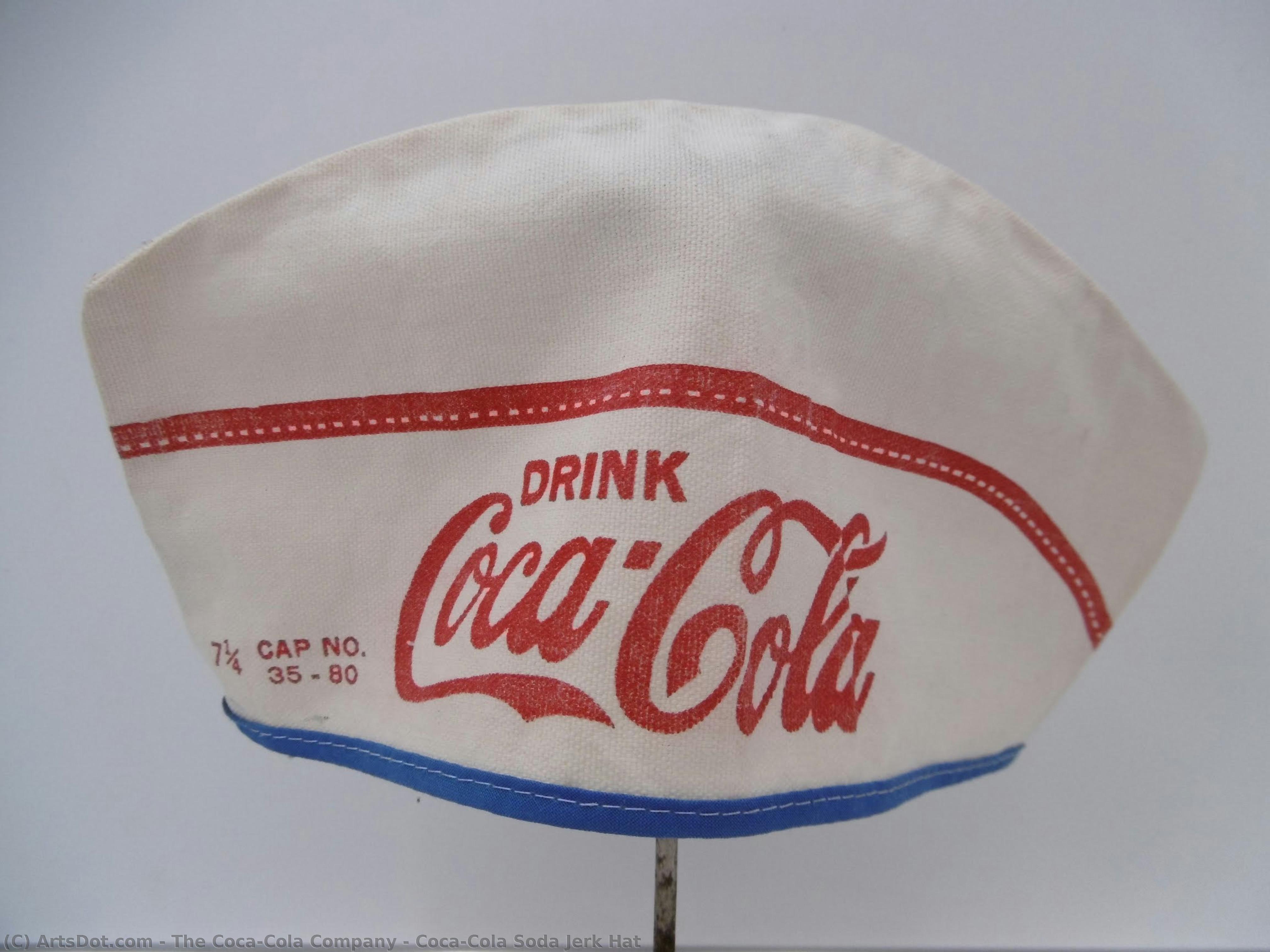
Coca-Cola Soda Jerk Hat


 Читать далее
Масляная репродукция ручной работы
Картина маслом на холсте в выбранном вами размере и раме, написанная на заказ нашими художниками. ( Перейти к печати Перейти к цифровым изображениям)




































Выберите один из наших стандартных размеров, соответствующих оригинальным пропорциям произведения искусства.

Вы можете указать собственные размеры, чтобы картина идеально вписалась в выбранную раму или пространство. Если выбранный вами размер не соответствует пропорциям оригинала, мы либо обрежем полотно, либо расширим его за счет дополнительных элементов, написанных вручную. Цифровой макет будет отправлен вам на утверждение перед началом производства.
Обратите внимание, что предварительный просмотр на экране не отражает фактическую обрезку или расширение. Только макет точно покажет окончательную композицию.
Хотя доступны индивидуальные размеры, мы рекомендуем выбирать вариант из предопределенного списка, чтобы сохранить исходные пропорции.
После оформления заказа команда ArtsDot.com свяжется с клиентом по электронной почте для уточнения деталей и предоставит предварительный макет
Доставка по всему миру () за 3–4 недели вместо стандартных 5 недель. (13 Сентябрь). Без компромиссов в качестве.

Бесплатная экспресс-доставка по всему миру

Высококачественный льняной холст

Полное страхование доставки

Гарантия возмещения таможенных пошлин

Гарантия точного соответствия цветов

100-дневная политика возврата (только при обнаружении дефектов)

Гарантия возврата 100% средств

Предложение оптовых скидок
 Вариант со стеклом доступен только для размеров менее 110 см

Coca-Cola Soda Jerk Hat
Техника репродукции
Размер репродукции
-


Итоговая стоимость
$ 263
Похожие произведения




Биография художника
The Ubiquitous Icon: The Coca-Cola Company as Artistic Force
It is perhaps unconventional to consider a corporation an artist, yet the Coca-Cola Company has undeniably shaped visual culture in profound ways. More than simply purveyors of a carbonated beverage, they have functioned as master marketers and, crucially, architects of a globally recognized aesthetic. Their story isn’t one of individual brushstrokes or sculpted forms, but rather of carefully cultivated imagery, strategic branding, and the pervasive power of advertising to define desire and embody a particular vision of modernity. The origins lie not in an art school studio, but in 1886 Atlanta, Georgia, with pharmacist John Pemberton's creation of a medicinal syrup. However, it was Asa Griggs Candler who truly understood the potential for mass appeal, transforming Coca-Cola from a local tonic into a national phenomenon. He wasn’t interested merely in selling a drink; he aimed to sell an *experience*, and that experience was inextricably linked to visual representation.From Curvilinear Script to Global Symbolism
The early advertising of Coca-Cola, while rudimentary by today's standards, laid the groundwork for its future success. Candler recognized the importance of distinctive typography, commissioning Frank Mason Robinson, Pemberton’s bookkeeper, to design the now-iconic Spencerian script logo. This wasn’t a random choice; the flowing, elegant letters evoked notions of quality, sophistication, and even a hint of Victorian medicine – subtly connecting the drink to its origins while simultaneously distancing it from any perceived drawbacks. As distribution expanded, so too did the advertising reach. The company pioneered innovative marketing techniques, distributing promotional items like calendars, clocks, and trays adorned with Coca-Cola imagery. These weren’t just freebies; they were extensions of the brand into everyday life, subtly reinforcing its presence in homes and businesses across America. The use of Santa Claus, famously reimagined by artist Haddon Sundblom in the 1930s for a series of magazine advertisements, is perhaps their most enduring artistic contribution. Sundblom’s jolly, red-suited Santa – far removed from earlier depictions – became synonymous with Coca-Cola and fundamentally altered our collective understanding of the holiday icon.The Bottle as Art Form: Packaging and Perception
While imagery was crucial, the Coca-Cola Company also understood the power of physical form. The introduction of the contour bottle in 1915, designed by Earl R. Dean, wasn’t simply a matter of practicality; it was an act of artistic innovation. The unique shape – inspired (though apocryphally) by the cocoa bean – was intended to be recognizable even in the dark and served as a powerful deterrent against imitation. More importantly, it elevated the bottle itself into an object of desire. It wasn’t just a container for a beverage; it was a symbol of refreshment, American ingenuity, and increasingly, global culture. The company actively encouraged artists to incorporate Coca-Cola imagery into their work, further cementing its place in popular consciousness. From Norman Rockwell illustrations featuring families enjoying Coke together to Andy Warhol's Pop Art explorations of the brand’s iconography, Coca-Cola became a muse for some of the 20th century’s most influential artists.A Legacy of Branding and Cultural Impact
The Coca-Cola Company’s artistic legacy extends far beyond advertising and packaging. They have consistently tapped into prevailing cultural currents, associating their brand with themes of happiness, optimism, and the American Dream. Their campaigns often reflected – and sometimes even *shaped* – societal values. The post-World War II era saw Coke marketed as a symbol of freedom and prosperity, while later advertisements embraced youth culture and individuality.- Global Reach: Coca-Cola’s presence in virtually every corner of the globe has made its imagery instantly recognizable, transcending linguistic and cultural barriers.
- Influence on Design: The company's aesthetic – characterized by bold colors, dynamic typography, and a focus on positive emotions – has influenced generations of designers and marketers.
- Pop Culture Integration: Coca-Cola’s ubiquitous presence in film, music, and art demonstrates its deep integration into the fabric of popular culture.

Основные сведения
- Artistic Movement Or Style: Commercial Art
- Artists Or Movements Influenced By This Artist:
- Pop Art
- Advertising
- Date Of Death: Living
- Full Name: The Coca-Cola Company
- Notable Artworks:
- Coca-Cola Bottle
- Haddon's Field Bottle
- Contour Bottle