

 Предпросмотр
 Поделиться
 Поделиться
 Детали произведения

 Скачать
 Похожие работы
 Рентгенография
 Слайд-шоу
 Статистика
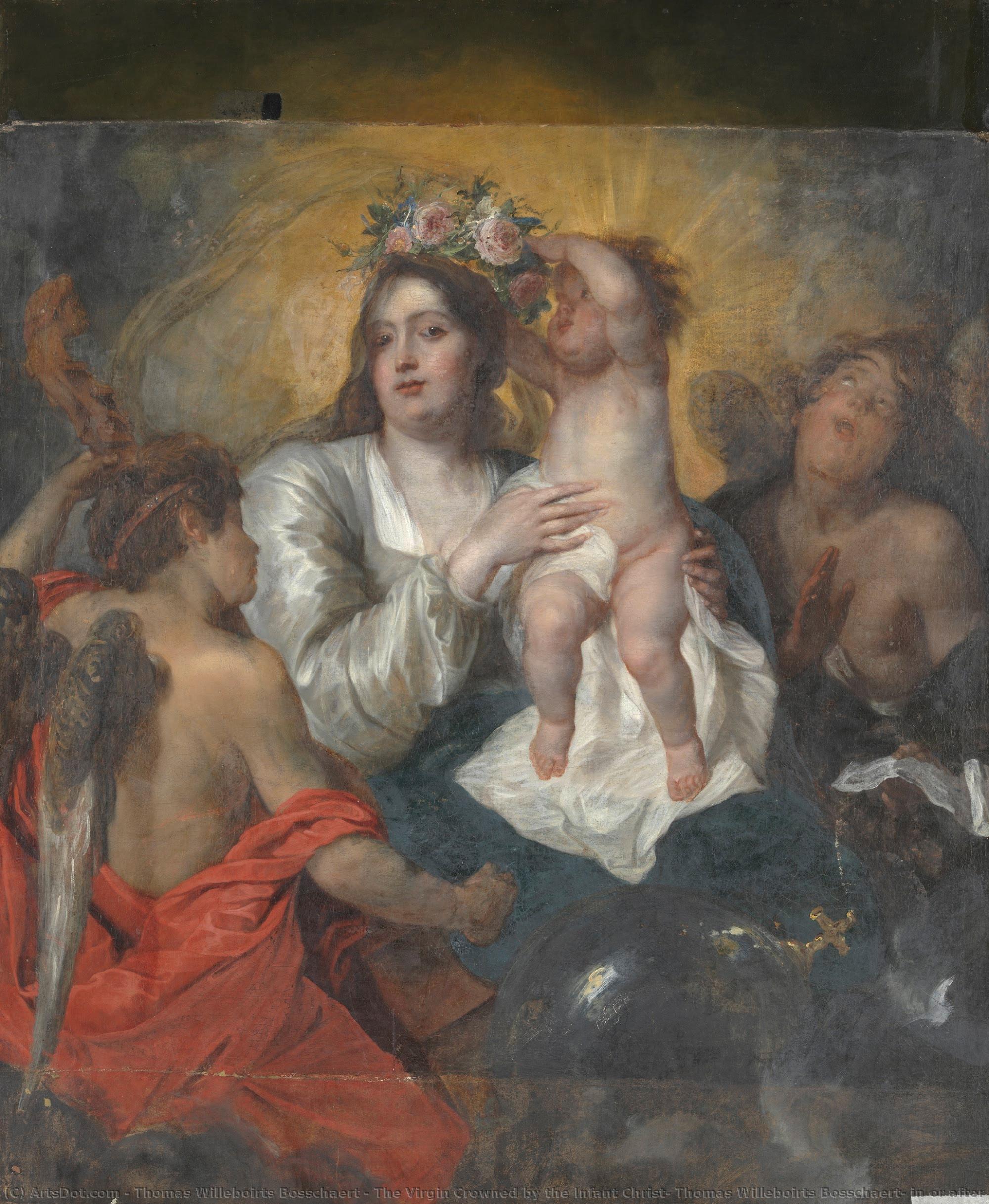
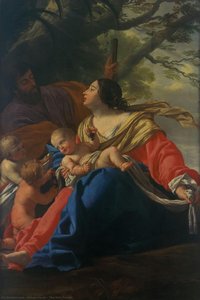
The Virgin Crowned by the Infant Christ, Thomas Willeboirts Bosschaert, in or after c. 1646
 1646
1646 138.0 x 113.0 cm
 Читать далее
Приобретите цифровое изображение высокого разрешения в улучшенном качестве, которое значительно превосходит онлайн-превью.
Каждый файл тщательно подготавливается нашими специалистами с использованием передовых инструментов и экспертной ручной ретуши. Мы гарантируем исключительную четкость, точную цветопередачу и детальную проработку каждого изображения.
Финальный файл доставляется по электронной почте в течение 72 часов и оптимизирован для немедленного использования в профессиональной среде, при верстке и печати. Это тот же уровень качества, которому доверяют ведущие дизайнерские студии, издательства и галереи.
Цифровое изображение
Скачайте файл высокого разрешения для личного использования, печати и творческих проектов. ( Перейти к печати Купить картину ручной работы)
Включено в каждый заказ цифровых изображений
Гарантия экспертной цифровой доставки
Выбирая ArtsDot.com, вы получаете не просто изображение — вы приобретаете профессионально обработанное цифровое произведение искусства, созданное с безупречной точностью и под защитой гарантии качества. Вот всё, что автоматически входит в ваш заказ:

Мгновенная доставка по e-mail
Ваш цифровой файл в высоком разрешении будет отправлен вам по электронной почте в течение 72 часов после оформления заказа — и сразу станет доступен для использования.

Цифровой файл с ИИ-улучшением
Ваше произведение искусства проходит профессиональную оптимизацию с использованием передовых инструментов ИИ и ручной обработки, что гарантирует максимальную детализацию, четкость и точность цветопередачи.

Бессрочная бесплатная повторная доставка
Случайно удалили или потеряли файл? Не беспокойтесь — мы отправим его вам повторно в любое время и совершенно бесплатно.

Без импортных пошлин — навсегда
Наслаждайтесь вашим произведением искусства мгновенно без таможенных пошлин, сборов или затрат на доставку — цифровые загрузки всегда не облагаются налогом.

Гарантия точности цветопередачи
Мы гарантируем, что ваше цифровое изображение максимально точно передает оригинальные цвета благодаря использованию профессиональных инструментов и систем управления цветом.

Гарантия удовлетворенности 100 дней
Если вы не будете удовлетворены своим цифровым изображением, мы внесем правки или вернем 100% стоимости в течение 100 дней — без лишних вопросов.

100% Гарантия возврата средств
Не удовлетворены покупкой? Получите полный возврат средств в течение 100 дней после получения цифрового файла — без лишних вопросов.

Скидки на оптовые заказы
Купите 3 изображения, сэкономьте 10% — Купите 5, сэкономьте 15% — Купите 10+, сэкономьте 20%. Отличное решение для творческих проектов, галерей и агентств.
Похожие произведения





Биография художника
early life and training
thomas willeboirts bosschaert, a prominent figure in the dutch golden age, was born in bergen op zoom in 1613. his family, of catholic origin, had relocated to this region in the late sixteenth century. in 1628, bosschaert moved to antwerp, where he entered the studio of gerard seghers for an extensive eight-year apprenticeship. this formative period laid the groundwork for his future artistic endeavors.artistic career and affiliations
in 1636 or 1637, bosschaert became a citizen of antwerp and joined the prestigious guild of st. luke, a significant milestone in his career. this affiliation not only underscored his commitment to his craft but also granted him access to a broader network of artists and patrons.notable works and style
though specific details about his works are scarce, it is evident that bosschaert's artistry was deeply influenced by the prevailing styles of his time. his paintings, characterized by intricate details and masterful use of light, reflect the dutch golden age's emphasis on realism and aesthetic appeal.museological significance and legacy
bosschaert's legacy, though not as extensively documented as some of his contemporaries, is preserved in part through the museum boijmans van beuningen rotterdam, netherlands, which houses a collection of fine and decorative arts from various periods, including the dutch golden age. [https://ArtsDot.com/@@/a@d3arrk-museum-boijmans-van-beuningen-rotterdam-netherlands](museum boijmans van beuningen rotterdam, netherlands at ArtsDot.com)conclusion
thomas willeboirts bosschaert's life and work, though shrouded in mystery, contribute to the rich tapestry of dutch art during the 17th century. his association with prominent artists and his adherence to the artistic standards of his time underscore his significance within the era.- view thomas willeboirts bosschaert's artworks at [https://ArtsDot.com/@/thomas-willeboirts-bosschaert](thomas willeboirts bosschaert | ArtsDot.com)
- explore the museum boijmans van beuningen rotterdam, netherlands collection at [https://ArtsDot.com/@@/a@d3arrk-museum-boijmans-van-beuningen-rotterdam-netherlands](museum boijmans van beuningen rotterdam, netherlands | ArtsDot.com)
- discover more about the dutch golden age and its notable artists at [https://ArtsDot.com/all-popular-artists](the greatest artists painters of all time | ArtsDot.com)
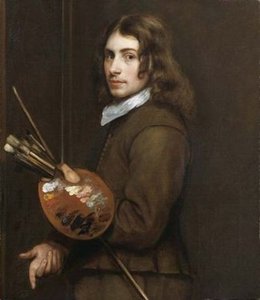
thomas willeboirts bosschaert
1613 - 1654 , Netherlands
Основные сведения
- Artistic Movement Or Style: Dutch Golden Age, Baroque painting
- Artists Or Movements Influenced By This Artist: Van Dyck
- Artists Who Influenced This Artist: Gerard Seghers
- Date Of Birth: 1613
- Full Name: Thomas Willeboirts Bosschaert
- Nationality: Flemish
- Notable Artworks: ['Venus Arming a Warrior']
- Place Of Birth: Breda, Netherlands