

 Предпросмотр
 Поделиться
 Поделиться
 Детали произведения

 Скачать
 Похожие работы
 Рентгенография
 Слайд-шоу
 Статистика
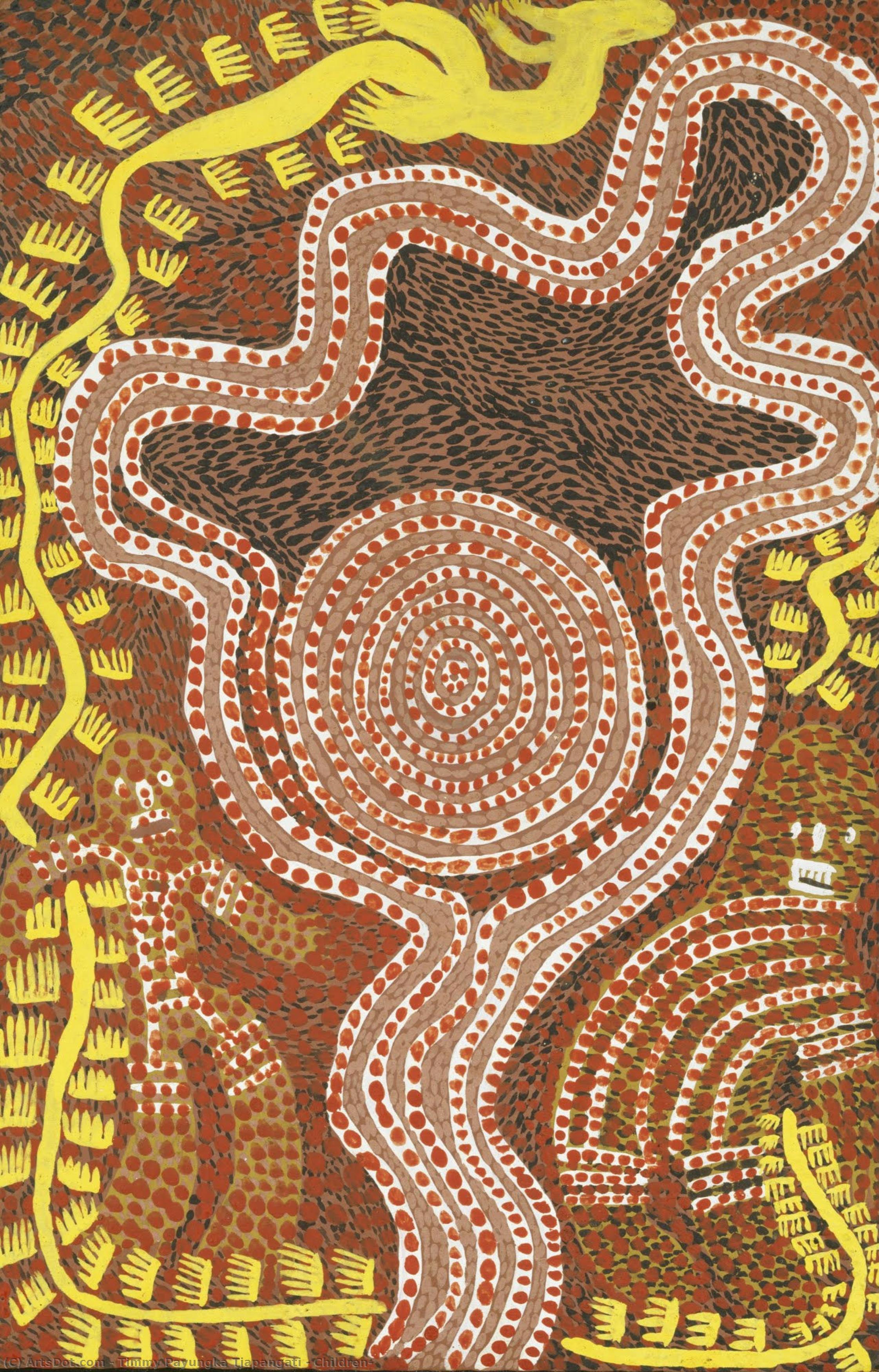
Children
 Painting
- Aboriginal Art
 1974
1974 46.0 x 21.0 cm
 Галерея Нового Южного Уэльса
 Читать далее
Приобретите цифровое изображение высокого разрешения в улучшенном качестве, которое значительно превосходит онлайн-превью.
Каждый файл тщательно подготавливается нашими специалистами с использованием передовых инструментов и экспертной ручной ретуши. Мы гарантируем исключительную четкость, точную цветопередачу и детальную проработку каждого изображения.
Финальный файл доставляется по электронной почте в течение 72 часов и оптимизирован для немедленного использования в профессиональной среде, при верстке и печати. Это тот же уровень качества, которому доверяют ведущие дизайнерские студии, издательства и галереи.
Цифровое изображение
Скачайте файл высокого разрешения для личного использования, печати и творческих проектов. ( Перейти к печати Купить картину ручной работы)
Включено в каждый заказ цифровых изображений
Гарантия экспертной цифровой доставки
Выбирая ArtsDot.com, вы получаете не просто изображение — вы приобретаете профессионально обработанное цифровое произведение искусства, созданное с безупречной точностью и под защитой гарантии качества. Вот всё, что автоматически входит в ваш заказ:

Мгновенная доставка по e-mail
Ваш цифровой файл в высоком разрешении будет отправлен вам по электронной почте в течение 72 часов после оформления заказа — и сразу станет доступен для использования.

Цифровой файл с ИИ-улучшением
Ваше произведение искусства проходит профессиональную оптимизацию с использованием передовых инструментов ИИ и ручной обработки, что гарантирует максимальную детализацию, четкость и точность цветопередачи.

Бессрочная бесплатная повторная доставка
Случайно удалили или потеряли файл? Не беспокойтесь — мы отправим его вам повторно в любое время и совершенно бесплатно.

Без импортных пошлин — навсегда
Наслаждайтесь вашим произведением искусства мгновенно без таможенных пошлин, сборов или затрат на доставку — цифровые загрузки всегда не облагаются налогом.

Гарантия точности цветопередачи
Мы гарантируем, что ваше цифровое изображение максимально точно передает оригинальные цвета благодаря использованию профессиональных инструментов и систем управления цветом.

Гарантия удовлетворенности 100 дней
Если вы не будете удовлетворены своим цифровым изображением, мы внесем правки или вернем 100% стоимости в течение 100 дней — без лишних вопросов.

100% Гарантия возврата средств
Не удовлетворены покупкой? Получите полный возврат средств в течение 100 дней после получения цифрового файла — без лишних вопросов.

Скидки на оптовые заказы
Купите 3 изображения, сэкономьте 10% — Купите 5, сэкономьте 15% — Купите 10+, сэкономьте 20%. Отличное решение для творческих проектов, галерей и агентств.
The Vibrant Echoes of Country: An Exploration of Timmy Payungka Tjapangati's "Children"
To stand before Children by Timmy Payungka Tjapangati is not merely to observe a painting; it is to step into a vibrant, pulsating narrative drawn from the deepest wellsprings of Aboriginal Australian culture. This piece, executed in 1974, radiates an almost palpable energy through its masterful use of color and pattern. The composition immediately draws the eye toward a central, luminous circle—a focal point that seems to hold the very essence of life and connection. Surrounding this core are other scattered circles, each one acting as both an individual note in a grand symphony and a vital link within a complex tapestry.
A Symphony of Form and Line
The technique employed here is deeply rooted in the traditions of the Papunya Tula school of painting, yet it speaks with a distinctly personal voice. Tjapangati’s signature style merges ancient storytelling methods with modern artistic execution. The intricate network of lines that weave between the colored circles is breathtaking; these are not random markings but deliberate pathways suggesting movement, energy, and perhaps the journeys of ancestral beings across the land. The palette—dominated by brilliant yellows, passionate reds, and warm oranges—is inherently evocative, mirroring the ochres found in the Australian outback under a fierce sun. It is a visual language that bypasses mere description to communicate feeling.
Symbolism Woven from Ancestral Lore
For those familiar with Aboriginal art, the symbolism embedded within Children resonates profoundly. The circles often represent significant gathering places, waterholes, or sacred sites—the very anchors of community life and spiritual knowledge. The patterns themselves are mnemonic devices, visual maps of creation stories, Dreamtime journeys, and kinship ties. While the subject matter is titled "Children," the work speaks to a broader theme: continuity. It celebrates lineage, the passing down of wisdom, and the enduring spirit of people connected irrevocably to their Country. Owning this piece is acquiring a tangible piece of cultural memory.
Bringing the Spirit Home
For collectors and designers alike, Children offers more than just decoration; it offers an infusion of vital, untamed spirit into any space. Its dynamic composition ensures that it commands attention while simultaneously inviting quiet contemplation. Whether displayed in a gallery setting or integrated into a modern living area, the warmth emanating from its colors and the rhythmic pulse suggested by its lines create an immediate sense of grounding and vibrancy. It is a powerful reminder of the enduring beauty of cultural heritage, making it a truly soulful addition to any curated collection.
Похожие произведения
Биография художника
The Spirit of the Pintupi: The Life and Legacy of Timmy Payungka Tjapangati
In the vast, sun-drenched landscapes of Western Australia, the story of Timmy Payungka Tjapangati unfolds as a profound testament to the endurance of Aboriginal culture. Born in 1942 at Parayirpilynga, near the shimmering expanse of Lake Mackay in the Pilbara region, Tjapangati was a man deeply rooted in the ancestral rhythms of the Pintupi people. His early life was shaped by the ancient tracks and sacred sites of his country, a landscape that would later become the spiritual foundation for his transformative artistic career. As part of a generation that navigated the complex transitions of the mid-20th century, Tjapangati’s journey took him from the traditional ways of his youth to the burgeoning contemporary art movements of the Western Desert.
The trajectory of his life was marked by significant movement and adaptation. Following a period spent at Warburton, where he met his wife, Tchapangati’s family eventually moved through Yarrana toward Kintore in the Northern Territory. It was during the 1960s that he arrived at Papunya, a pivotal moment that would place him at the heart of a cultural revolution. Alongside figures such as Geoffrey Bardon, Tchapangati became one of the original pioneers of the Papunya Tula movement. This era saw the translation of ephemeral sand paintings and body decorations onto permanent surfaces like board and canvas, allowing the sacred narratives of the Pintupi to reach a global audience while maintaining their profound spiritual integrity.
A Visual Language of Dreaming and Law
Tchapangati’s artistic style is far more than mere decoration; it is a sophisticated visual language used to communicate the Dreaming—the complex web of ancestral creation, law, and kinship. His work is characterized by a masterful blend of traditional Aboriginal storytelling and modern compositional techniques. Through intricate patterns and symbolic iconography, he mapped the spiritual topography of his people. One of his most celebrated achievements, Kangaroo and Shield People Dreaming at Lake Mackay (1980), serves as a breathtaking window into a sacred men's story. This particular masterpiece, now held in the prestigious collection of the Art Gallery of New South Wales, demonstrates his ability to render the profound weight of ancestral presence through a delicate yet powerful aesthetic.
Beyond the grand narratives of the Dreaming, Tchapangati possessed a unique sensitivity for capturing the intimate essence of Aboriginal life. His painting Children stands as a poignant example of his skill in portraying the continuity of culture and the tender bonds of community. Every stroke and dot in his repertoire served to reinforce the connection between the land, the people, and the eternal laws that govern them. As an important Law Man, his art was not merely an expression of creativity but a vital act of cultural preservation, ensuring that the rituals and stories of the Pintupi remained vibrant and visible.
A Legacy of Cultural Sovereignty
The historical significance of Timmy Payungka Tjapangati extends well beyond the borders of the art gallery. He was a central figure in the struggle for Indigenous intellectual property rights, playing a crucial role in the landmark 1994 "Carpets Case." This legal battle was a watershed moment for Australian law, successfully asserting that Aboriginal artists hold copyright over their traditional designs and cultural knowledge. His activism helped protect the integrity of Indigenous art from misappropriation, ensuring that the sacred symbols he painted remained under the stewardship of his people.
As Tchapangati moved to Kintore in 1981 and later helped establish the settlement at Kiwirrkura, he remained a steadfast guardian of his heritage. His influence was not limited to the canvas; it was passed down through generations, most notably to his daughter, Lorna Napana Tjapangati, who continues the tradition of Pintupi excellence. When Timmy Payungka Tchapangati passed away on May 7, 2000, he left behind a legacy that is both deeply personal and globally significant. His life’s work remains a bridge between the ancient past and the contemporary world, inviting all who view it to witness the enduring power of the Australian desert spirit.
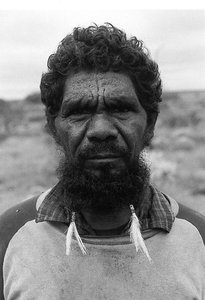
timmy payungka tjapangati
2000 , Australia
Основные сведения
- Artistic Movement Or Style: World Goes Pop
- Artists Or Movements Influenced By This Artist: ['Pop Art']
- Artists Who Influenced This Artist:
- Andy Warhol
- Roy Lichtenstein
- Date Of Death: 2000
- Notable Artworks: ['Various works featured in The World Goes Pop exhibition']