 Предпросмотр
 Поделиться
 Поделиться
 Детали произведения

 Скачать
 Похожие работы
 Рентгенография
 Слайд-шоу
 Статистика
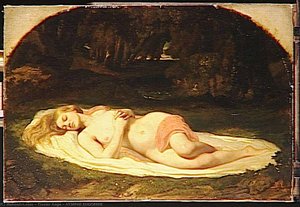
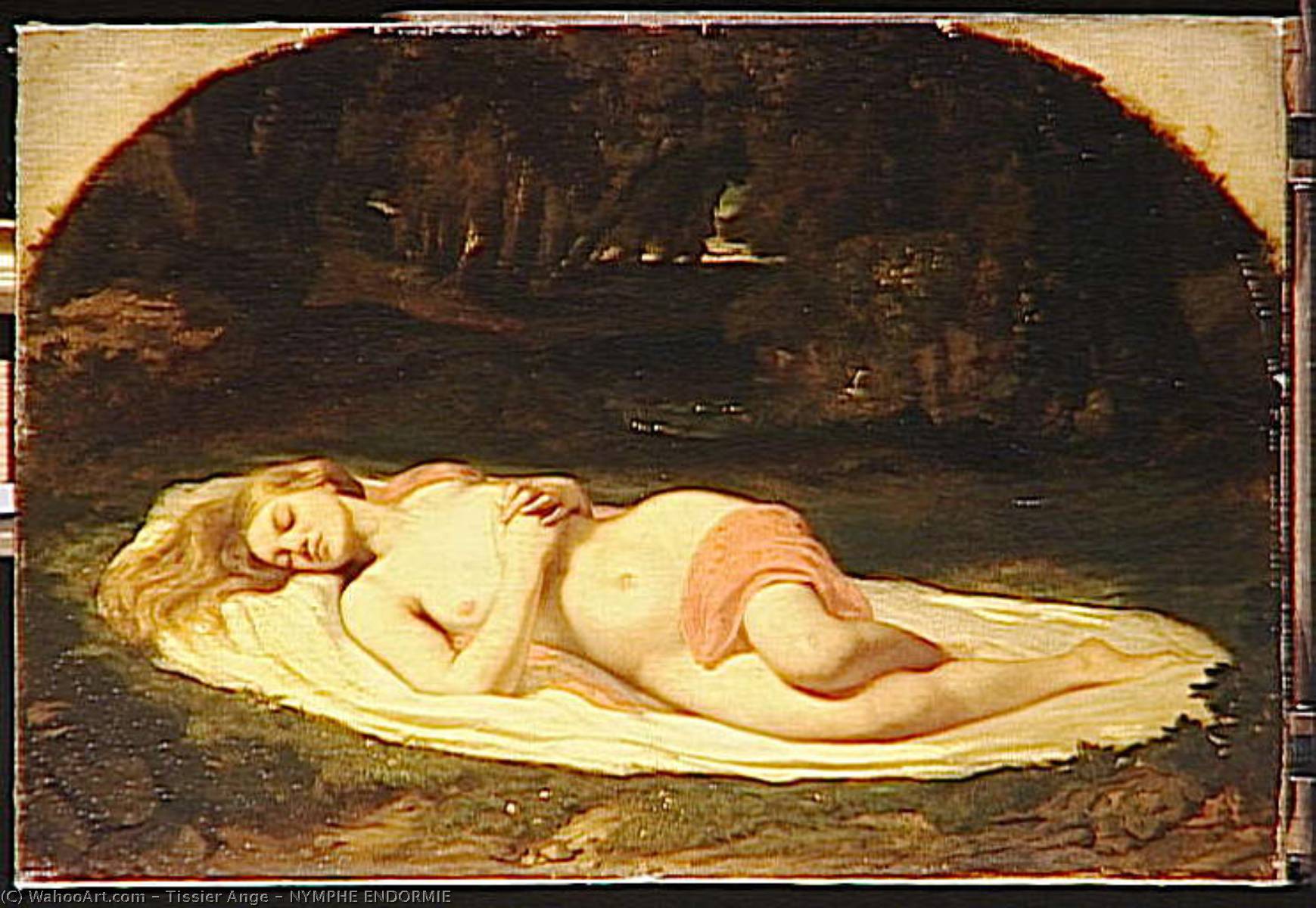
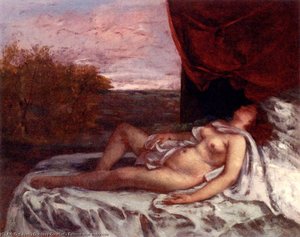
NYMPHE ENDORMIE

 Читать далее
Масляная репродукция ручной работы
Картина маслом на холсте в выбранном вами размере и раме, написанная на заказ нашими художниками. ( Перейти к печати Перейти к цифровым изображениям)




































Выберите один из наших стандартных размеров, соответствующих оригинальным пропорциям произведения искусства.

Вы можете указать собственные размеры, чтобы картина идеально вписалась в выбранную раму или пространство. Если выбранный вами размер не соответствует пропорциям оригинала, мы либо обрежем полотно, либо расширим его за счет дополнительных элементов, написанных вручную. Цифровой макет будет отправлен вам на утверждение перед началом производства.
Обратите внимание, что предварительный просмотр на экране не отражает фактическую обрезку или расширение. Только макет точно покажет окончательную композицию.
Хотя доступны индивидуальные размеры, мы рекомендуем выбирать вариант из предопределенного списка, чтобы сохранить исходные пропорции.
После оформления заказа команда ArtsDot.com свяжется с клиентом по электронной почте для уточнения деталей и предоставит предварительный макет
Доставка по всему миру () за 3–4 недели вместо стандартных 5 недель. (12 Сентябрь). Без компромиссов в качестве.

Бесплатная экспресс-доставка по всему миру

Высококачественный льняной холст

Полное страхование доставки

Гарантия возмещения таможенных пошлин

Гарантия точного соответствия цветов

100-дневная политика возврата (только при обнаружении дефектов)

Гарантия возврата 100% средств

Предложение оптовых скидок
 Вариант со стеклом доступен только для размеров менее 110 см

NYMPHE ENDORMIE
Техника репродукции
Размер репродукции
-


Итоговая стоимость
$ 263
Похожие произведения







Биография художника
The Refined Gaze: Jean-Baptiste-Ange Tissier and the Portraiture of an Era
Jean-Baptiste-Ange Tissier (1843-1906) occupies a fascinating, if often overlooked, position within the landscape of 19th-century French painting. He wasn’t a revolutionary iconoclast like Courbet or Manet, nor did he pursue the atmospheric explorations of the Impressionists. Instead, Tissier carved out a successful career as a highly sought-after portraitist, specializing in capturing the elegance and opulence of the Second Empire and its immediate aftermath. His canvases offer a compelling glimpse into the lives of the Parisian bourgeoisie, nobility, and those connected to the court of Napoleon III – a world steeped in social ritual, refined taste, and carefully constructed appearances. Born into an artistic family, Tissier received his formal training at the École des Beaux-Arts under Léon Cogniet, a prominent academic painter known for his historical and portrait work. This foundation instilled in him a mastery of classical technique, evident in his precise draftsmanship, balanced compositions, and subtle handling of light and shadow. However, Tissier’s talent lay not in grand narratives but in the intimate portrayal of individual character within a specific social context.A Court Painter's Ascendancy
Tissier’s breakthrough came with his appointment as an official portraitist to Napoleon III and Empress Eugénie. This prestigious position secured him access to the highest echelons of French society, and he quickly became renowned for his ability to flatter and idealize his sitters while simultaneously conveying a sense of their personality. His portraits are not merely likenesses; they are carefully curated representations designed to project an image of wealth, status, and moral virtue. He excelled at depicting the sumptuous fabrics, elaborate jewelry, and ornate interiors that defined the Second Empire aesthetic. The artist’s skill in rendering textures – silk shimmering under candlelight, the gleam of pearls, the rich velvet of a gentleman's coat – is particularly noteworthy. While many artists were beginning to break away from academic conventions, Tissier embraced them, finding a lucrative and fulfilling niche within the established art world. He understood the desires of his clientele: they wanted portraits that affirmed their position in society, and Tissier delivered with unwavering skill and sensitivity. His work during this period is characterized by a restrained elegance and a meticulous attention to detail, reflecting the formality and decorum of the imperial court.Beyond the Imperial Circle: Expanding Themes
The fall of the Second Empire in 1870 did not diminish Tissier’s career; rather, it broadened his subject matter. While he continued to paint portraits of former members of the aristocracy and wealthy patrons, he also began to explore scenes of contemporary life, often depicting women in intimate settings – reading, writing letters, or simply lost in thought. These paintings, while still exhibiting his characteristic technical finesse, reveal a growing interest in psychological nuance and emotional depth. He moved beyond purely celebratory depictions to capture moments of quiet contemplation and subtle vulnerability. Tissier’s later works also demonstrate a fascination with historical themes, particularly those related to the French monarchy. He painted scenes from the lives of Marie Antoinette and other royal figures, often imbuing them with a sense of romantic nostalgia and tragic beauty. This shift suggests a desire to connect with France's rich cultural heritage and perhaps offer a commentary on the tumultuous events that had recently transpired.Influences and Artistic Style
Tissier’s artistic lineage is rooted in the traditions of 18th-century French portraiture, particularly the work of artists like Élisabeth Vigée Le Brun and Jean-Auguste-Dominique Ingres. He admired their ability to capture both physical likeness and inner character with remarkable precision.- His early training at the École des Beaux-Arts exposed him to the academic principles of composition, anatomy, and perspective.
- The influence of Dutch Golden Age painters is also evident in his meticulous attention to detail and his mastery of light and shadow.
- While he did not fully embrace Impressionism, he was aware of its innovations and incorporated some of its techniques – such as broken brushstrokes and a heightened sense of atmosphere – into his later works.