 Предпросмотр
 Поделиться
 Поделиться
 Детали произведения

 Скачать
 Похожие работы
 Рентгенография
 Слайд-шоу
 Статистика
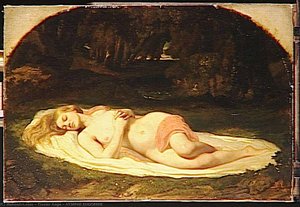
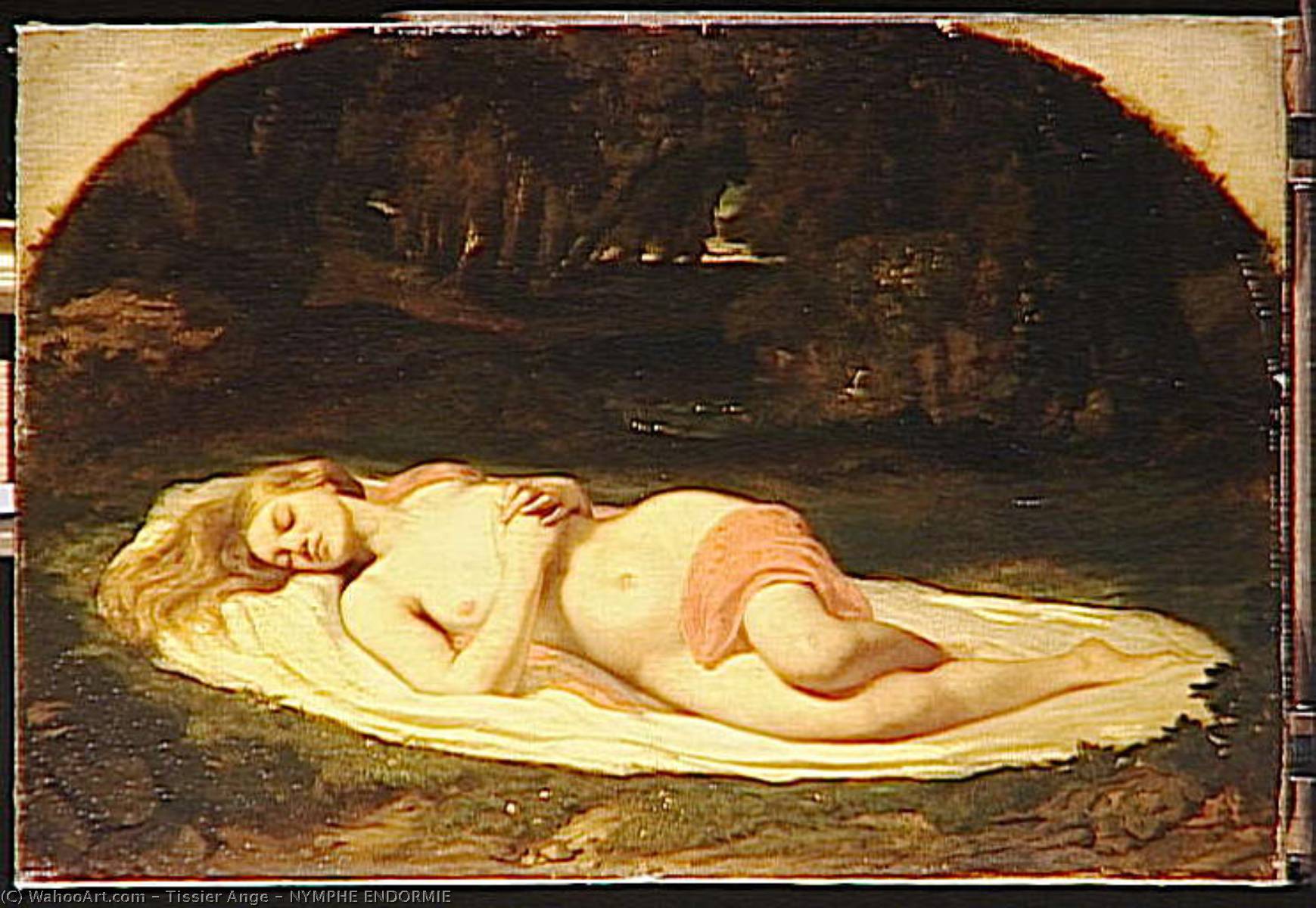
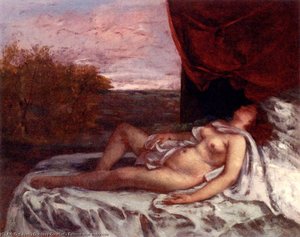
NYMPHE ENDORMIE

 Читать далее
Приобретите цифровое изображение высокого разрешения в улучшенном качестве, которое значительно превосходит онлайн-превью.
Каждый файл тщательно подготавливается нашими специалистами с использованием передовых инструментов и экспертной ручной ретуши. Мы гарантируем исключительную четкость, точную цветопередачу и детальную проработку каждого изображения.
Финальный файл доставляется по электронной почте в течение 72 часов и оптимизирован для немедленного использования в профессиональной среде, при верстке и печати. Это тот же уровень качества, которому доверяют ведущие дизайнерские студии, издательства и галереи.
Цифровое изображение
Скачайте файл высокого разрешения для личного использования, печати и творческих проектов. ( Перейти к печати Купить картину ручной работы)
Включено в каждый заказ цифровых изображений
Гарантия экспертной цифровой доставки
Выбирая ArtsDot.com, вы получаете не просто изображение — вы приобретаете профессионально обработанное цифровое произведение искусства, созданное с безупречной точностью и под защитой гарантии качества. Вот всё, что автоматически входит в ваш заказ:

Мгновенная доставка по e-mail
Ваш цифровой файл в высоком разрешении будет отправлен вам по электронной почте в течение 72 часов после оформления заказа — и сразу станет доступен для использования.

Цифровой файл с ИИ-улучшением
Ваше произведение искусства проходит профессиональную оптимизацию с использованием передовых инструментов ИИ и ручной обработки, что гарантирует максимальную детализацию, четкость и точность цветопередачи.

Бессрочная бесплатная повторная доставка
Случайно удалили или потеряли файл? Не беспокойтесь — мы отправим его вам повторно в любое время и совершенно бесплатно.

Без импортных пошлин — навсегда
Наслаждайтесь вашим произведением искусства мгновенно без таможенных пошлин, сборов или затрат на доставку — цифровые загрузки всегда не облагаются налогом.

Гарантия точности цветопередачи
Мы гарантируем, что ваше цифровое изображение максимально точно передает оригинальные цвета благодаря использованию профессиональных инструментов и систем управления цветом.

Гарантия удовлетворенности 100 дней
Если вы не будете удовлетворены своим цифровым изображением, мы внесем правки или вернем 100% стоимости в течение 100 дней — без лишних вопросов.

100% Гарантия возврата средств
Не удовлетворены покупкой? Получите полный возврат средств в течение 100 дней после получения цифрового файла — без лишних вопросов.

Скидки на оптовые заказы
Купите 3 изображения, сэкономьте 10% — Купите 5, сэкономьте 15% — Купите 10+, сэкономьте 20%. Отличное решение для творческих проектов, галерей и агентств.
Похожие произведения







Биография художника
The Refined Gaze: Jean-Baptiste-Ange Tissier and the Portraiture of an Era
Jean-Baptiste-Ange Tissier (1843-1906) occupies a fascinating, if often overlooked, position within the landscape of 19th-century French painting. He wasn’t a revolutionary iconoclast like Courbet or Manet, nor did he pursue the atmospheric explorations of the Impressionists. Instead, Tissier carved out a successful career as a highly sought-after portraitist, specializing in capturing the elegance and opulence of the Second Empire and its immediate aftermath. His canvases offer a compelling glimpse into the lives of the Parisian bourgeoisie, nobility, and those connected to the court of Napoleon III – a world steeped in social ritual, refined taste, and carefully constructed appearances. Born into an artistic family, Tissier received his formal training at the École des Beaux-Arts under Léon Cogniet, a prominent academic painter known for his historical and portrait work. This foundation instilled in him a mastery of classical technique, evident in his precise draftsmanship, balanced compositions, and subtle handling of light and shadow. However, Tissier’s talent lay not in grand narratives but in the intimate portrayal of individual character within a specific social context.A Court Painter's Ascendancy
Tissier’s breakthrough came with his appointment as an official portraitist to Napoleon III and Empress Eugénie. This prestigious position secured him access to the highest echelons of French society, and he quickly became renowned for his ability to flatter and idealize his sitters while simultaneously conveying a sense of their personality. His portraits are not merely likenesses; they are carefully curated representations designed to project an image of wealth, status, and moral virtue. He excelled at depicting the sumptuous fabrics, elaborate jewelry, and ornate interiors that defined the Second Empire aesthetic. The artist’s skill in rendering textures – silk shimmering under candlelight, the gleam of pearls, the rich velvet of a gentleman's coat – is particularly noteworthy. While many artists were beginning to break away from academic conventions, Tissier embraced them, finding a lucrative and fulfilling niche within the established art world. He understood the desires of his clientele: they wanted portraits that affirmed their position in society, and Tissier delivered with unwavering skill and sensitivity. His work during this period is characterized by a restrained elegance and a meticulous attention to detail, reflecting the formality and decorum of the imperial court.Beyond the Imperial Circle: Expanding Themes
The fall of the Second Empire in 1870 did not diminish Tissier’s career; rather, it broadened his subject matter. While he continued to paint portraits of former members of the aristocracy and wealthy patrons, he also began to explore scenes of contemporary life, often depicting women in intimate settings – reading, writing letters, or simply lost in thought. These paintings, while still exhibiting his characteristic technical finesse, reveal a growing interest in psychological nuance and emotional depth. He moved beyond purely celebratory depictions to capture moments of quiet contemplation and subtle vulnerability. Tissier’s later works also demonstrate a fascination with historical themes, particularly those related to the French monarchy. He painted scenes from the lives of Marie Antoinette and other royal figures, often imbuing them with a sense of romantic nostalgia and tragic beauty. This shift suggests a desire to connect with France's rich cultural heritage and perhaps offer a commentary on the tumultuous events that had recently transpired.Influences and Artistic Style
Tissier’s artistic lineage is rooted in the traditions of 18th-century French portraiture, particularly the work of artists like Élisabeth Vigée Le Brun and Jean-Auguste-Dominique Ingres. He admired their ability to capture both physical likeness and inner character with remarkable precision.- His early training at the École des Beaux-Arts exposed him to the academic principles of composition, anatomy, and perspective.
- The influence of Dutch Golden Age painters is also evident in his meticulous attention to detail and his mastery of light and shadow.
- While he did not fully embrace Impressionism, he was aware of its innovations and incorporated some of its techniques – such as broken brushstrokes and a heightened sense of atmosphere – into his later works.