

 Предпросмотр
 Поделиться
 Поделиться
 Детали произведения

 Скачать
 Похожие работы
 Рентгенография
 Слайд-шоу
 Статистика
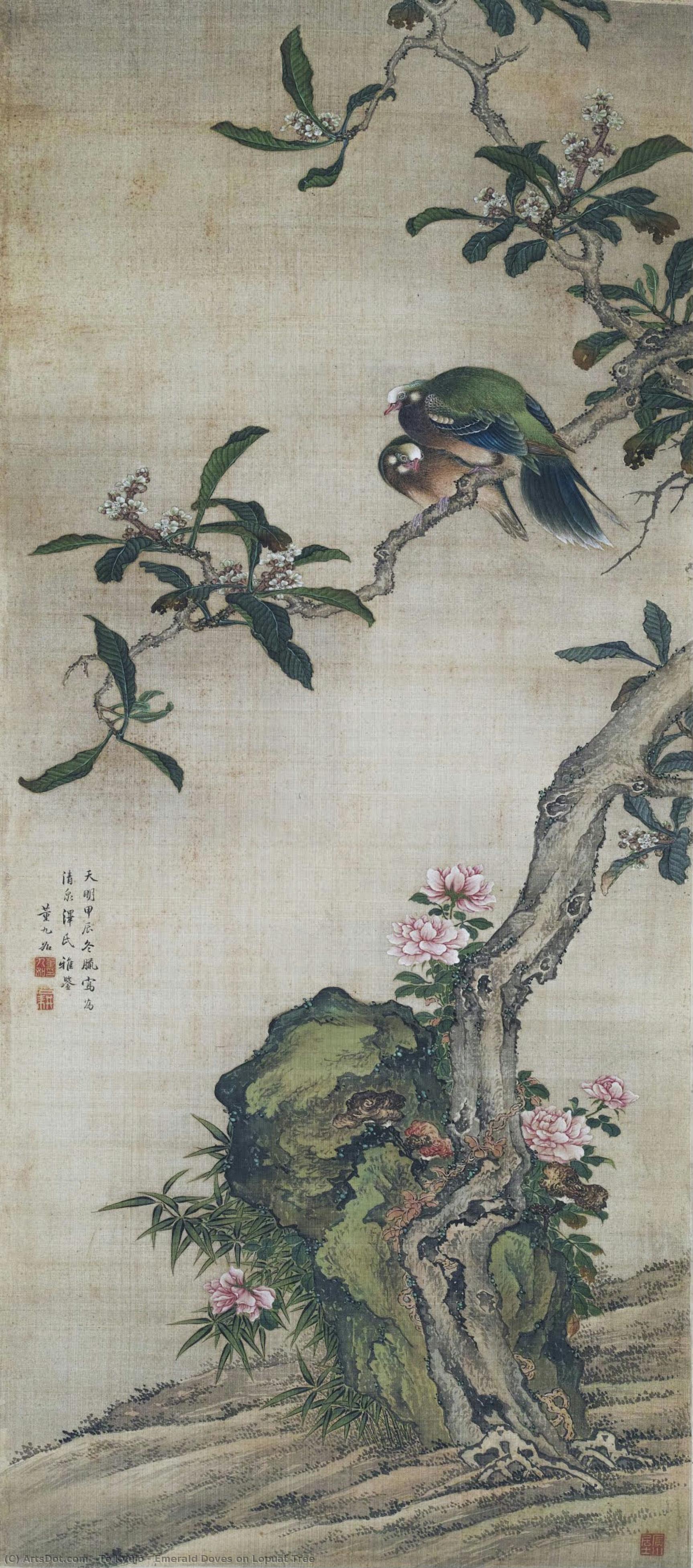
Emerald Doves on Lopuat Tree
 56.0 x 127.0 cm
 Kobe City Museum
 Читать далее
Жикле / Арт-принт
Печать (жикле) или холст музейного качества с быстрыми сроками изготовления и широким выбором вариантов отделки. ( Купить картину ручной работы Перейти к цифровым изображениям)




































Выберите один из наших стандартных размеров, соответствующих оригинальным пропорциям произведения искусства.

Вы можете указать свои собственные размеры, чтобы репродукция идеально подошла под конкретную раму или пространство. Если выбранный вами размер не будет соответствовать пропорциям оригинала, мы либо обрежем произведение, либо дополним изображение зеркальным отражением краев или однотонной заливкой. Перед началом производства вам будет отправлен цифровой макет для утверждения.
Пожалуйста, обратите внимание, что предварительный просмотр на экране не отображает фактическую обрезку или расширение изображения. Только макет точно покажет финальную композицию.
Несмотря на возможность заказа индивидуальных размеров, мы рекомендуем выбирать размер из предопределенного списка, чтобы сохранить оригинальные пропорции.
Доставка по всему миру () за 2 недели вместо стандартных 4/5 недель. (12 Сентябрь)

Бесплатная экспресс-доставка по всему миру

Высококачественный льняной холст

Полное страхование доставки

Гарантия возмещения таможенных пошлин

Гарантия точного соответствия цветов

100-дневная политика возврата (только при обнаружении дефектов)

Гарантия возврата 100% средств

Предложение оптовых скидок
 Вариант со стеклом доступен только для размеров менее 110 см

Emerald Doves on Lopuat Tree
Жикле / Арт-принт
Размер репродукции
-


Итоговая стоимость
$ 62
Похожие произведения








Биография художника
The Legacy of the Tosa Master
In the heart of Kyoto, during the transformative era of the late sixteenth century, a painter emerged whose brushwork would embody the very essence of imperial elegance. tō kyūjō (東久城), born in 1546, was not merely an artist but a vital link in one of Japan's most prestigious artistic lineages: the Tosa school. As the son of Tosa Mitsunobu, the legendary founder of this illustrious tradition, kyūjō was raised within the refined atmosphere of the imperial court's official painters. His life and work represent a golden age of Japanese aesthetics, bridging the gap between the classical traditions of the past and the burgeoning energy of the Azuchi-Momoyama period.
The artistry of tō kyūjō was defined by a profound sense of grace and a meticulous attention to the natural world. His style, deeply rooted in the heritage of his father, drew significant inspiration from the delicate sensibilities of Chinese painting, blending imported techniques with a uniquely Japanese poetic vision. He possessed an extraordinary ability to breathe life into the smallest details, particularly through his mastery of kacho-ga, or bird and flower paintings. In his hands, a single petal or the curve of a bird's wing became a meditation on beauty and impermanence, rendered with subtle coloring and brushwork so fine it seemed to vibrate with life.
A Lineage of Refinement and Skill
To understand the significance of tō kyūjō, one must look at his role within the structural continuity of the Tosa school. He served as a crucial bridge between generations, inheriting the mantle of the courtly style from his father and passing it on to his son, Tosa Mitsumoto, who would eventually lead the school. This continuity ensured that the refined, aristocratic aesthetic—characterized by its clarity, elegance, and narrative precision—remained the standard for imperial patronage during a time of great political upheaval in Japan.
Beyond his celebrated paintings, kyūjō was also a master of calligraphy, an art form that requires the same rhythmic control and spiritual focus as his painterly compositions. This multidisciplinary mastery allowed him to approach every stroke with a holistic understanding of balance and space. His works, such as the evocative Emerald Doves on Lopuat Tree, showcase this ability to capture a fleeting moment of natural serenity through a sophisticated use of color and form.
Historical Significance and Enduring Influence
The period in which tō kyūjō lived, the Azuchi-Momoyama period (1573–1603), was an era of immense cultural flowering and transition. While other schools were beginning to experiment with more bold and dramatic styles, kyūjō remained a steadfast guardian of the classical Tosa elegance. His ability to maintain such high standards of refinement amidst the shifting tides of Japanese history solidified his reputation as one of the greatest masters of his time.
Today, the impact of his work resonates far beyond the borders of ancient Kyoto. His paintings serve as vital historical documents of a lost era of courtly splendor, and his influence can be traced through the centuries of Japanese art history. Because of his dedication to the delicate beauty of the natural world, his masterpieces continue to be cherished in prestigious museums and private collections across the globe, offering modern viewers a window into the soul of classical Japan.
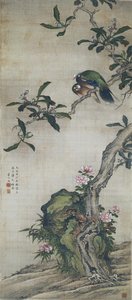
tō kyūjō
1546 - 1616 , Japan
Основные сведения
- Artistic Movement Or Style: Tosa school painting
- Date Of Birth: 1546
- Date Of Death: 1616
- Full Name: Tō Kyūjō
- Nationality: Japanese
- Notable Artworks: ['Emerald Doves on Lopuat Tree']
- Place Of Birth: Kyoto, Japan