

 Предпросмотр
 Поделиться
 Поделиться
 Детали произведения

 Скачать
 Похожие работы
 Рентгенография
 Слайд-шоу
 Статистика
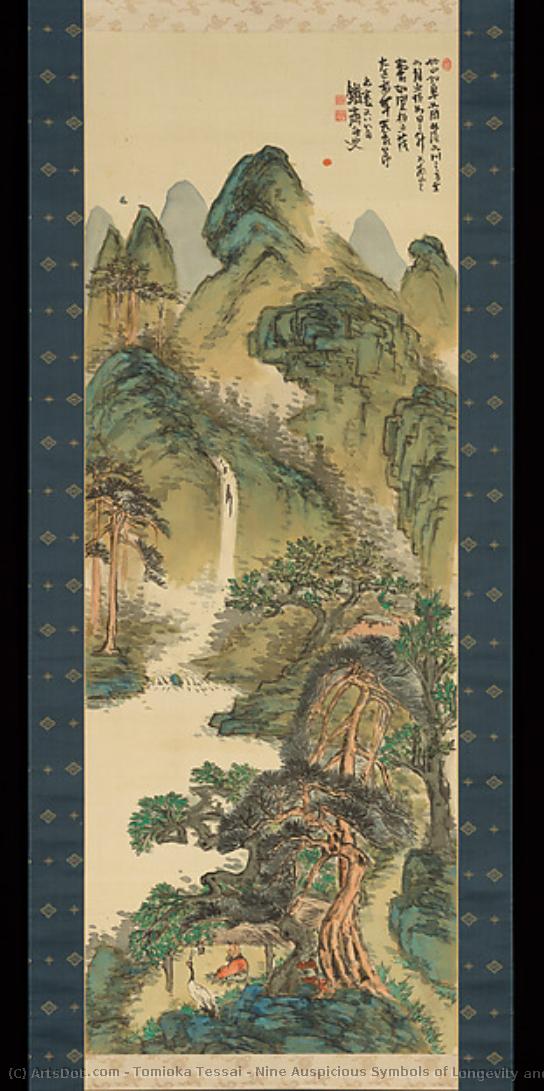
Nine Auspicious Symbols of Longevity and Prosperity
 1913
1913 138.0 x 51.0 cm
 Читать далее
Масляная репродукция ручной работы
Картина маслом на холсте в выбранном вами размере и раме, написанная на заказ нашими художниками. ( Перейти к печати Перейти к цифровым изображениям)




































Выберите один из наших стандартных размеров, соответствующих оригинальным пропорциям произведения искусства.

Вы можете указать собственные размеры, чтобы картина идеально вписалась в выбранную раму или пространство. Если выбранный вами размер не соответствует пропорциям оригинала, мы либо обрежем полотно, либо расширим его за счет дополнительных элементов, написанных вручную. Цифровой макет будет отправлен вам на утверждение перед началом производства.
Обратите внимание, что предварительный просмотр на экране не отражает фактическую обрезку или расширение. Только макет точно покажет окончательную композицию.
Хотя доступны индивидуальные размеры, мы рекомендуем выбирать вариант из предопределенного списка, чтобы сохранить исходные пропорции.
После оформления заказа команда ArtsDot.com свяжется с клиентом по электронной почте для уточнения деталей и предоставит предварительный макет
Доставка по всему миру () за 3–4 недели вместо стандартных 5 недель. (13 Сентябрь). Без компромиссов в качестве.

Бесплатная экспресс-доставка по всему миру

Высококачественный льняной холст

Полное страхование доставки

Гарантия возмещения таможенных пошлин

Гарантия точного соответствия цветов

100-дневная политика возврата (только при обнаружении дефектов)

Гарантия возврата 100% средств

Предложение оптовых скидок
 Вариант со стеклом доступен только для размеров менее 110 см

Nine Auspicious Symbols of Longevity and Prosperity
Техника репродукции
Размер репродукции
-


Итоговая стоимость
$ 263
Похожие произведения









Биография художника
The Last Voice of Bunjinga: The Life and Legacy of Tomioka Tessai
Tomioka Tessai, born as Tomioka Yusuke, remains one of the most profound and singular figures in the long tapestry of Japanese art history. Standing at a monumental crossroads between eras, he was both the final great guardian of the Bunjinga tradition—a style rooted in the scholarly, literati ideals of China—and a pioneering force behind the emergence of Nihonga, the modern evolution of Japanese painting. Born in Kyoto in 1836, his early years were marked by a deep immersion in the intellectual and spiritual currents of his time. The loss of his father at a young age led him to serve as a page at a Shinto shrine, an experience that provided him with an intimate, early exposure to ritualistic beauty and the power of visual storytelling through sacred art. His scholarly foundations were laid under the tutelage of Okuni Tadamasa, a renowned scholar of kokugaku. Through this mentorship, Tessai absorbed the profound tenets of Neo-Confucianism, a philosophy that emphasizes moral cultivation and a harmonious, respectful coexistence with the natural world. This intellectual rigor would later manifest in his brushwork, where every stroke was an expression of character and cosmic order. Perhaps most significantly, his life was touched by the presence of the Buddhist nun and poet Ōtagaki Rengetsu. As his patron and mentor, Rengetsu nurtured his artistic sensibilities, instilling in him a lifelong fascination with the delicate interplay between poetry and visual representation, ensuring that his art would always possess a lyrical, soulful quality.A Synthesis of Tradition and Innovation
As Tessai’s mastery grew, so too did his ability to bridge disparate worlds. His artistic journey was not merely one of technical refinement but of profound stylistic synthesis. While he remained deeply anchored in the Bunjinga style—characterized by its emphasis on spontaneous brushwork and the expression of the artist's inner spirit—he began to incorporate elements that would define the new Nihonga movement. This transition was not a rejection of his roots but an expansion of them, allowing him to document the changing landscape of Meiji-era Japan with both historical reverence and modern vitality. His technical prowess extended beyond the canvas into the realm of calligraphy, where his command of line and ink mirrored the strength and fluidity of his paintings. This versatility allowed him to move seamlessly between the delicate, poetic nuances of literati landscapes and more robust, topographical works. His involvement in the Meiji government even saw him contributing maps and charts, demonstrating a commitment to using his artistic vision to document the physical and political evolution of his nation.Historical Significance and Enduring Spirit
The significance of Tomioka Tessai lies in his role as a cultural bridge. He lived through a period of intense transformation in Japan, witnessing the closing of the feudal era and the dawn of modernization. In an age where many were looking solely toward Western influences, Tessai provided a vital link to the classical past, ensuring that the spiritual and philosophical depth of Japanese tradition was not lost in the rush toward progress. His achievements can be summarized through his enduring impact on the Japanese aesthetic:- As the final bastion of the Bunjinga style, he preserved the scholarly traditions of literati painting for future generations.
- As a pioneer of Nihonga, he helped shape the modern identity of Japanese painting by blending classical techniques with contemporary sensibilities.
- His work serves as a visual record of the transition from the Edo period to the Meiji era, capturing both the landscape and the shifting cultural psyche of Japan.
tomioka yusuke
1836 - 1924 , Japan
Основные сведения
- Artistic Movement Or Style: Bunjinga & Nihonga
- Artists Or Movements Influenced By This Artist: ['Kanō School']
- Artists Who Influenced This Artist: ['Ōtagaki Rengetsu']
- Date Of Birth: Kyoto, Japan (1836)
- Date Of Death: 1924
- Full Name: Tomioka Yusuke
- Nationality: Japanese
- Notable Artworks:
- Scene Inspired by the Scrolls of Frolicking Animals and Humans
- Hall of Enma, the King of Hell
- Place Of Birth: Kyoto