

 Предпросмотр
 Поделиться
 Поделиться
 Детали произведения

 Скачать
 Похожие работы
 Рентгенография
 Слайд-шоу
 Статистика
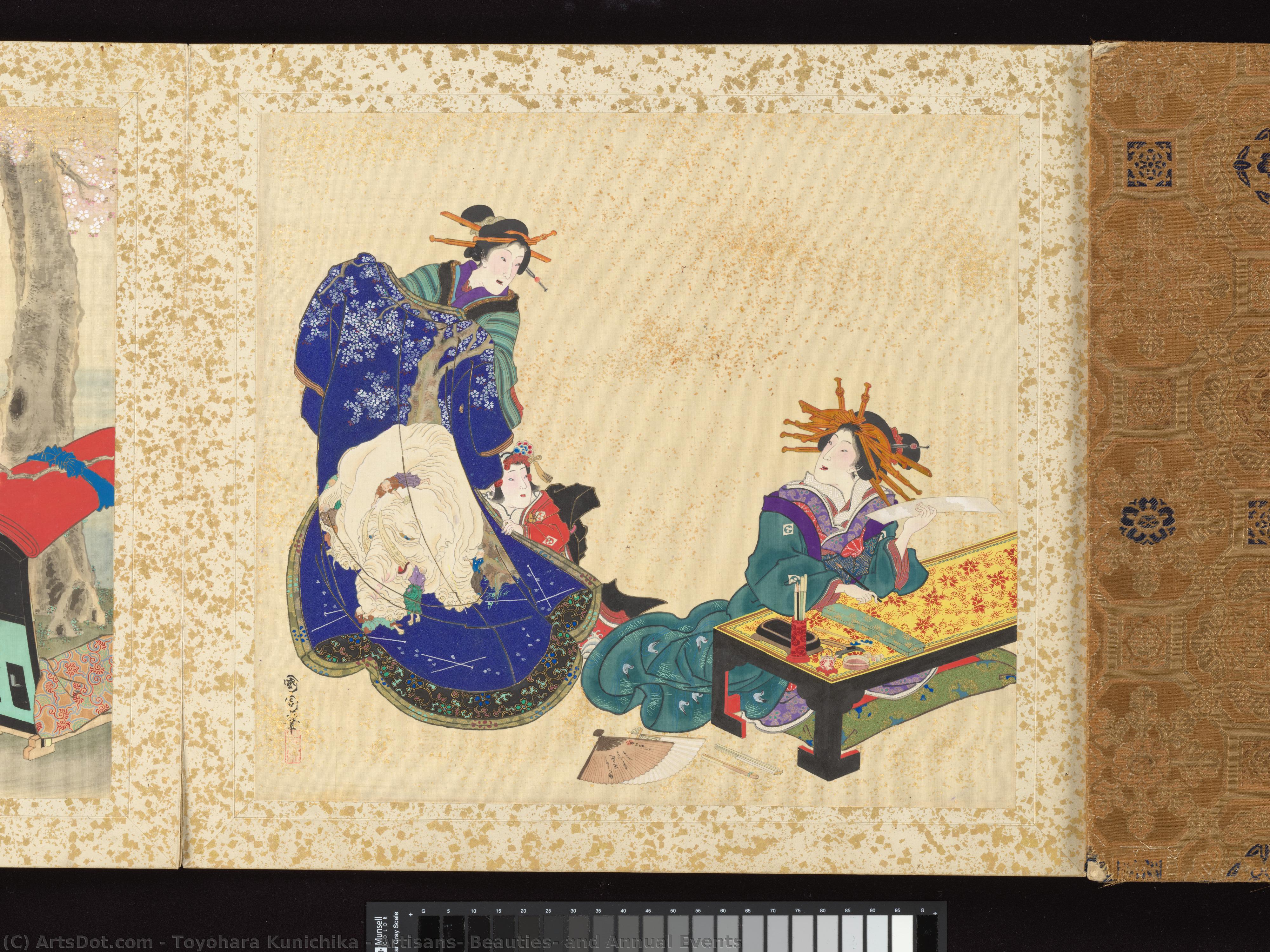
Artisans, Beauties, and Annual Events
 Woodblock Print
- Ukiyo-e
 1874
1874- 19th Century
 30.0 x 33.0 cm
 Читать далее
Приобретите цифровое изображение высокого разрешения в улучшенном качестве, которое значительно превосходит онлайн-превью.
Каждый файл тщательно подготавливается нашими специалистами с использованием передовых инструментов и экспертной ручной ретуши. Мы гарантируем исключительную четкость, точную цветопередачу и детальную проработку каждого изображения.
Финальный файл доставляется по электронной почте в течение 72 часов и оптимизирован для немедленного использования в профессиональной среде, при верстке и печати. Это тот же уровень качества, которому доверяют ведущие дизайнерские студии, издательства и галереи.
Цифровое изображение
Скачайте файл высокого разрешения для личного использования, печати и творческих проектов. ( Перейти к печати Купить картину ручной работы)
Включено в каждый заказ цифровых изображений
Гарантия экспертной цифровой доставки
Выбирая ArtsDot.com, вы получаете не просто изображение — вы приобретаете профессионально обработанное цифровое произведение искусства, созданное с безупречной точностью и под защитой гарантии качества. Вот всё, что автоматически входит в ваш заказ:

Мгновенная доставка по e-mail
Ваш цифровой файл в высоком разрешении будет отправлен вам по электронной почте в течение 72 часов после оформления заказа — и сразу станет доступен для использования.

Цифровой файл с ИИ-улучшением
Ваше произведение искусства проходит профессиональную оптимизацию с использованием передовых инструментов ИИ и ручной обработки, что гарантирует максимальную детализацию, четкость и точность цветопередачи.

Бессрочная бесплатная повторная доставка
Случайно удалили или потеряли файл? Не беспокойтесь — мы отправим его вам повторно в любое время и совершенно бесплатно.

Без импортных пошлин — навсегда
Наслаждайтесь вашим произведением искусства мгновенно без таможенных пошлин, сборов или затрат на доставку — цифровые загрузки всегда не облагаются налогом.

Гарантия точности цветопередачи
Мы гарантируем, что ваше цифровое изображение максимально точно передает оригинальные цвета благодаря использованию профессиональных инструментов и систем управления цветом.

Гарантия удовлетворенности 100 дней
Если вы не будете удовлетворены своим цифровым изображением, мы внесем правки или вернем 100% стоимости в течение 100 дней — без лишних вопросов.

100% Гарантия возврата средств
Не удовлетворены покупкой? Получите полный возврат средств в течение 100 дней после получения цифрового файла — без лишних вопросов.

Скидки на оптовые заказы
Купите 3 изображения, сэкономьте 10% — Купите 5, сэкономьте 15% — Купите 10+, сэкономьте 20%. Отличное решение для творческих проектов, галерей и агентств.
A Window into Meiji Japan
In the delicate brushstrokes of Toyohara Kunichika’s 1874 masterpiece, Artisans, Beauties, and Annual Events, we find a poignant frozen moment from one of the most transformative eras in human history. As Japan stood on the precipice of the Meiji Restoration, caught between the ancient traditions of the Edo period and the encroaching tides of Western modernization, Kunichika acted as a visual chronicler of a vanishing world. This particular work serves as an intimate window into the social fabric of the time, capturing a quiet, communal gathering that feels both deeply personal and historically monumental. The scene invites the viewer to sit at the table alongside these figures, sharing in a moment of respite that transcends the decades separating us from their reality.
The composition centers on a trio of individuals, their presence anchored by the vibrant interplay of color and texture characteristic of late ukiyo-e tradition. Dressed in the exquisite layers of traditional Asian attire, the figures are draped in rich hues of crimson, deep black, and serene indigo. The way the light seems to catch the folds of their garments suggests a mastery of depth and form, drawing the eye toward the center of the table where food is laid out—a symbol of sustenance, hospitality, and the shared joys of life. There is a profound sense of equilibrium in the arrangement; the placement of the bowl, the delicate spoon, and even the subtle presence of a clock on the wall creates a narrative tension between the timelessness of the ritual and the ticking march of progress.
The Artistry of Transition
Technically, this piece exemplifies Kunichika’s ability to bridge two worlds. As a student of the legendary Utagawa Kunisada, he inherited a lineage of precision, yet his work during the Meiji period began to pulse with a new, more dynamic energy. The use of color in this painting is not merely decorative; it is emotive. The bold reds and blacks evoke the passion and vitality of Japanese social life, while the softer blues provide a grounding, tranquil counterpoint. For the discerning collector or interior designer, this work offers a sophisticated palette that can anchor a room with both warmth and historical gravity. It possesses that rare quality of being visually striking from a distance, yet revealing intricate, soulful details upon closer inspection.
Beyond its aesthetic brilliance, the painting carries a heavy symbolic weight. The gathering itself represents the resilience of culture; even as the world outside changed through industrialization, these fundamental human connections—eating together, celebrating seasonal shifts, and honoring craftsmanship—remained the heartbeat of the nation. To possess a reproduction of this work is to hold a piece of cultural memory. It is an invitation to contemplate the beauty of tradition and the inevitable flow of time, making it an evocative centerpiece for any space dedicated to reflection, heritage, and the enduring power of fine art.
Похожие произведения
![[mitate] Actors In The Evening, Returning To The Dressing Room — Toyohara Kunichika, Ukiyo-e](/media/artworks/images-thumb/e3/f8/e3f80dd3372e57f69ae58e37c73e0518.jpg)
Биография художника
early life and training
toyohara kunichika, a renowned japanese woodblock print artist, was born on june 30, 1835. recognized for his exceptional talent at a young age, he became a student of utagawa kunisada, tokyo's leading print maker, at the age of thirteen.artistic style and themes
kunichika's deep understanding of kabuki drama led to his primary production of yakusha-e, woodblock prints of kabuki actors and scenes from popular plays. additionally, he portrayed women deemed beautiful (bijinga), contemporary social life, and a few landscapes and historical scenes.- notable works:
- the actor's portrait (1880) - a fine example of kunichika's yakusha-e style.
- beautiful woman in a brocade robe (1890) - showcase of his bijinga art.
career and legacy
kunichika successfully worked during the edo period, carrying those traditions into the meiji period. his contemporaries and modern art historians view this as a significant achievement during a transitional period of great social and political change in japan's history.- key contributions:
- preservation of traditional japanese print-making techniques.
- influence on the development of modern japanese art.
resources
for more information on toyohara kunichika and his works, visit:- toyohara kunichika's profile on ArtsDot.com
- the kanō school style art movement - understand the context of japanese art during kunichika's time.
- shūsei's profile - explore another influential japanese artist from a different period.
conclusion
toyohara kunichika remains an important figure in the history of japanese art, particularly in the realm of woodblock prints. his dedication to preserving traditional techniques while adapting to changing social and political landscapes has left a lasting impact on modern japanese art.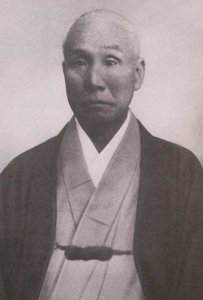
Toyohara Kunichika
1835 - 1900 , Japan
Основные сведения
- Artistic Movement Or Style: Ukiyo-e (Yakusha-e, Bijinga)
- Artists Or Movements Influenced By This Artist: ['Meiji Ukiyo-e']
- Artists Who Influenced This Artist:
- Utagawa Kunisada
- Toyohara Chikanobu
- Date Of Birth: June 30, 1835
- Date Of Death: 1900
- Full Name: Toyohara Kunichika
- Nationality: Japanese
- Notable Artworks:
- The Actor's Portrait
- Beautiful Woman in a Brocade Robe
- Place Of Birth: Tokyo, Japan