

![Neko No Shibai 猫の芝居 [cat Theatre] — Утагава Кунимаса](/media/artworks/images-full/44/16/4416273add29a3cf749d6ea521313112.jpg)
 Предпросмотр
 Поделиться
 Поделиться
 Детали произведения

 Скачать
 Похожие работы
 Рентгенография
 Слайд-шоу
 Статистика
Neko no shibai 猫の芝居 [Cat theatre]


 Читать далее
Масляная репродукция ручной работы
Картина маслом на холсте в выбранном вами размере и раме, написанная на заказ нашими художниками. ( Перейти к печати Перейти к цифровым изображениям)




P118B $10

P118H $10

P118W $10

P438Z $10

P508JH $12

P508YH $12

P805H $10

P805Z $10

P919BZ $10

P919G $10

P919XJ $10

P959ZH $10

P968JZ $12

W106C $8

W218G $10

W218JH $8

W218Y $10

W307PJ $10

W316G $10

W316PJ $8

W316Y $10

W398PJ $8

W4111J $10

W500HY $15

W500JH $15

W692G $12

W849H $8

W940BG $15

W953PJ $8
Выберите один из наших стандартных размеров, соответствующих оригинальным пропорциям произведения искусства.

Вы можете указать собственные размеры, чтобы картина идеально вписалась в выбранную раму или пространство. Если выбранный вами размер не соответствует пропорциям оригинала, мы либо обрежем полотно, либо расширим его за счет дополнительных элементов, написанных вручную. Цифровой макет будет отправлен вам на утверждение перед началом производства.
Обратите внимание, что предварительный просмотр на экране не отражает фактическую обрезку или расширение. Только макет точно покажет окончательную композицию.
Хотя доступны индивидуальные размеры, мы рекомендуем выбирать вариант из предопределенного списка, чтобы сохранить исходные пропорции.
После оформления заказа команда ArtsDot.com свяжется с клиентом по электронной почте для уточнения деталей и предоставит предварительный макет
Доставка по всему миру () за 3–4 недели вместо стандартных 5 недель. (13 Сентябрь). Без компромиссов в качестве.

Бесплатная экспресс-доставка по всему миру

Высококачественный льняной холст

Полное страхование доставки

Гарантия возмещения таможенных пошлин

Гарантия точного соответствия цветов

100-дневная политика возврата (только при обнаружении дефектов)

Гарантия возврата 100% средств

Предложение оптовых скидок
 Вариант со стеклом доступен только для размеров менее 110 см

Neko no shibai 猫の芝居 [Cat theatre]
Техника репродукции
Размер репродукции
-


Итоговая стоимость
$ 313
Neko no Shibai: A Stage of Feline Grace – Utagawa Kunimasa’s Masterpiece
Utagawa Kunimasa's “Neko no Shibai” (Cat Theatre) offers a captivating glimpse into the vibrant world of Edo-period Japan, a realm where theatrical entertainment and artistic innovation flourished. Executed around 1880, this woodblock print – a quintessential Ukiyo-e masterpiece – transports us to a scene brimming with stylized drama and symbolic richness. The artwork’s immediate impact lies in its arresting composition: two exquisitely dressed cats, one brandishing a katana and the other delicately holding a fan, dominate the central space. This isn't merely a depiction of animals; it’s an invitation into a meticulously crafted theatrical narrative, reflecting the popularity of “Neko no shiba,” traditional cat theatres that captivated audiences with their fantastical performances.
- A Symphony of Color and Line: Kunimasa masterfully employs the techniques inherent to Ukiyo-e. Bold outlines define the figures and objects, creating a striking visual clarity. Flat planes of color – blues, reds, greens, and whites – are applied with precision, utilizing multiple woodblocks to achieve this layered effect. The deliberate use of contrast, particularly between the dark background and the brightly colored characters, amplifies the dramatic impact.
- Theatrical Narrative: The scene unfolds as a miniature stage, mirroring the very essence of “Neko no shiba.” The cats’ attire – elaborate robes and accessories – immediately establishes their roles within this performance, hinting at themes of bravery, elegance, or perhaps even cunning. The inclusion of Japanese text further enriches the narrative, adding layers of meaning to the visual story.
- Flattened Perspective & Symbolic Depth: Characteristic of Ukiyo-e, the perspective is deliberately flattened, prioritizing symbolic representation over realistic spatial accuracy. This technique wasn't a limitation but rather a conscious choice, allowing Kunimasa to focus on conveying emotion and narrative clarity. The stylized foliage and carefully arranged elements contribute to a sense of depth, albeit an illusionistic one.
The Artist: Utagawa Kunimasa – A Legacy Forged in Tradition
Utagawa Kunimasa (1773-1810) was more than just an artist; he was a pivotal figure within the Utagawa school, inheriting and evolving the artistic traditions of his time. Born in Aizuwakamatsu, his early life, spent initially working in a dye shop, provided a grounding in craftsmanship that would later inform his artistic practice. His mentorship under the renowned Utagawa Toyokuni – arguably the most celebrated artist of the era – proved transformative. This relationship instilled within Kunimasa a profound understanding of ukiyo-e’s aesthetic goals: to capture fleeting moments of beauty and emotion with unparalleled precision. Kunimasa skillfully blended Toyokuni's refined sensibilities with Sharaku’s dramatic intensity, creating a unique artistic voice that resonated throughout the Edo period.
Technique & Materials – The Art of Woodblock Printing
“Neko no Shibai” is a testament to the meticulous process of woodblock printing. Kunimasa, like countless other Ukiyo-e artists, utilized this technique to create multiple impressions of a single design. Each color was meticulously applied using a separate block of carved wood, inked and then pressed onto paper. This method allowed for vibrant colors and intricate details – hallmarks of the style. The artwork is executed on traditional Japanese paper, chosen for its texture and ability to hold ink effectively. The careful layering of blocks and the precise execution demonstrate Kunimasa’s mastery of this demanding art form.
Symbolism & Emotional Resonance
Beyond its aesthetic qualities, “Neko no Shibai” is rich in symbolism. The cats themselves represent characters within a theatrical performance, embodying traditional feline traits – bravery, elegance, or cunning. The setting, with its stylized cherry blossoms and dark background, evokes a sense of both beauty and melancholy, common themes in Japanese art. The artwork’s enduring appeal lies not only in its technical brilliance but also in its ability to transport the viewer to another time and place, inviting contemplation on themes of performance, identity, and the human condition – or, in this case, the feline one.
Похожие произведения
Биография художника
Utagawa Kunimasa: A Master of Edo Period Drama and Elegance
Utagawa Kunimasa (歌川 国政; 1773 – December 26, 1810) stands as a pivotal figure in the history of Japanese ukiyo-e art, specifically within the influential Utagawa school. Born in Aizuwakamatsu, Iwashiro Province, Kunimasa’s artistic journey began humbly—working initially in a dye shop—before attracting the mentorship of Utagawa Toyokuni, arguably the most celebrated artist of his time. This formative relationship profoundly shaped Kunimasa's distinctive style, characterized by an ambitious synthesis of Sharaku’s dramatic intensity and Toyokuni’s refined decorative sensibilities.Early Life and Artistic Formation
Kunimasa’s early life was marked by a dedication to craftsmanship and artistic training. His apprenticeship under Toyokuni wasn’t merely about technical skill; it instilled in him an understanding of the broader aesthetic goals of ukiyo-e—to capture fleeting moments of beauty and emotion with unparalleled precision. Toyokuni's influence ensured Kunimasa wouldn’t simply replicate his mentor’s style but would forge a path toward originality, blending stylistic elements into a cohesive artistic vision. He diligently honed his skills in woodblock printing techniques, mastering the meticulous process required to reproduce images with remarkable accuracy and vibrancy—a testament to his commitment to excellence from the outset of his career.A Distinctive Artistic Style
Kunimasa’s artistic signature is instantly recognizable: a masterful command of color and composition that elevates ukiyo-e prints beyond mere depictions to immersive experiences. Critics debate whether he fully achieved Sharaku's visceral impact, yet Kunimasa undeniably succeeded in conveying dynamism and psychological depth—traits that distinguish his oeuvre from many contemporaries. His use of bold hues and carefully orchestrated perspectives created a palpable sense of drama, particularly evident in his yakusha-e portraits and bijin-ga paintings. He skillfully employed techniques like gradation shading and meticulous detail to imbue his subjects with life and emotion. This approach mirrored Toyokuni’s emphasis on creating visually arresting images that captivated the viewer's imagination—a stylistic hallmark that cemented Kunimasa’s reputation as a visionary artist.Notable Works: Kabuki Actors and Beautiful Women
Kunimasa’s artistic output produced several iconic pieces that continue to captivate audiences today. Among the most celebrated are his yakusha-e portraits of Kabuki actors, notably Sawamura Sojuro III as Kiyomori (Beauty in Snow), which exemplifies his ability to capture the essence of theatrical performance—the subtle expressions and gestures conveying profound emotion. Similarly, his bijin-ga paintings showcase an exquisite appreciation for feminine beauty, portraying women with grace and sophistication. The Shintomiza Joruri, Constitution Festival Picture is another remarkable achievement, demonstrating Kunimasa’s talent for capturing complex narratives within a single image. These works stand as enduring symbols of Edo period artistic excellence—testaments to Kunimasa's profound understanding of both visual aesthetics and human psychology.Legacy and Influence
Utagawa Kunimasa's influence extends far beyond his own lifetime. He served as an inspiration to subsequent generations of ukiyo-e artists who embraced his stylistic innovations—a harmonious blend of intensity and elegance—solidifying his place as one of the Utagawa school’s foremost masters. His meticulous attention to detail, combined with a profound understanding of theatrical conventions and visual storytelling, established standards that continue to resonate within Japanese art history. Today, Kunimasa's works reside in prestigious museums worldwide, guaranteeing his enduring legacy as a cornerstone of Edo period artistic achievement.
Утагава Кунимаса
1773 - 1810 , Япония
Основные сведения
- Artistic Movement Or Style: Утагава школа
- Artists Or Movements Influenced By This Artist: ['Шараку']
- Artists Who Influenced This Artist: ['Тоёкуни Утагава']
- Date Of Birth: 1773
- Date Of Death: 1810
- Full Name: Utagawa Kunimasa
- Nationality: Японский
- Notable Artworks:
- Театр Шинтомиза Джорури
- Красота в снеге
- Актер Содзуро III как Киёмори
- Place Of Birth: Aizuwakamatsu, Япония
Похожие статьи
Ukiyo-e: Exploring Japan's Floating World & Enduring Artistic Legacy
Explore the captivating world of Ukiyo-e – Japan's iconic woodblock prints! Discover masters like Hokusai & Hiroshige, learn about Edo period culture, and find expert art collecting guidance at ArtsDot.

Топ-25 шедевров Кацусики Хокусая: Искусство Японии для вашего интерьера
Погрузитесь в мир гения Кацусики Хокусая! 25 легендарных гравюр укиё-э, включая "Великую волну". История искусства Японии и вдохновение для вашего интерьера. Репродукции высокого качества на ArtsDot.com.
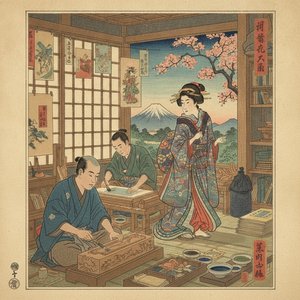
Floating World: The Captivating Art and Legacy of Japanese Ukiyo-e
Explore the profound beauty of Japanese Ukiyo-e. Discover the history, masters like Hokusai, and the enduring legacy of the 'Floating World' through an expert art-historical lens.
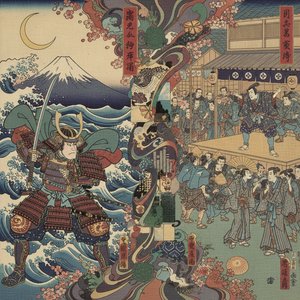
Utagawa Kuniyoshi: A Master of Japanese Ukiyo-e – Narrative Innovation & the Fusion of Tradition with Popular Culture
Explore the captivating world of Utagawa Kuniyoshi, a master of Japanese ukiyo-e woodblock prints. Discover his innovative warrior scenes, vibrant landscapes & lasting legacy in 19th-century art history.
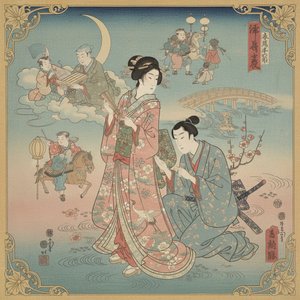
Suzuki Harunobu: Pioneering Ukiyo-e & the Refinement of Edo Period Printmaking
Discover the revolutionary world of Suzuki Harunobu, a pioneer of ukiyo-e printmaking. Explore his exquisite nishiki-e techniques, diverse subjects & lasting impact on Japanese art history. Learn more at ArtsDot.