

 Предпросмотр
 Поделиться
 Поделиться
 Детали произведения

 Скачать
 Похожие работы
 Рентгенография
 Слайд-шоу
 Статистика
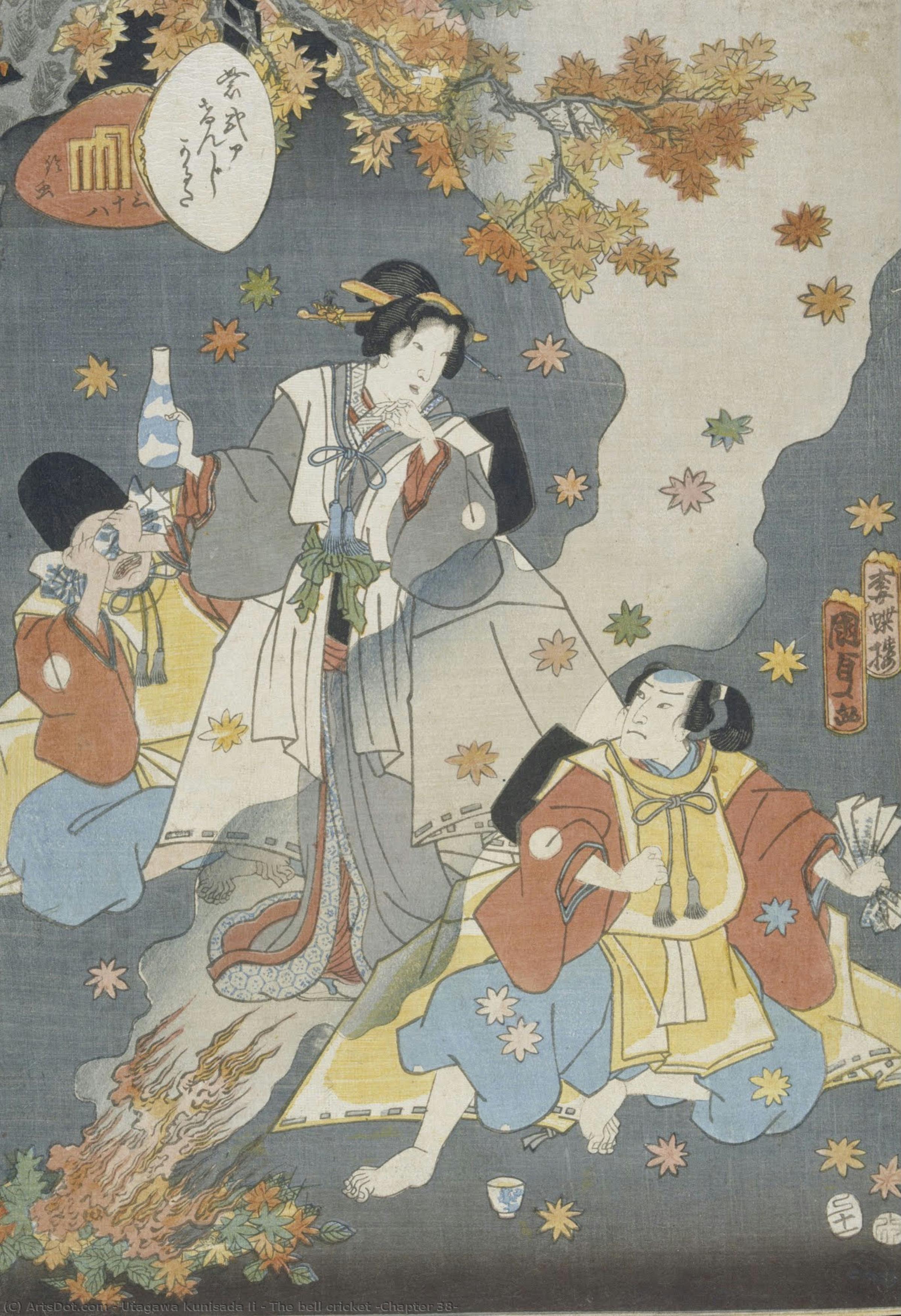
The bell cricket (Chapter 38)
 Japanese Edo Period
 1857
1857 33.0 x 22.0 cm
 Галерея Нового Южного Уэльса
 Читать далее
Приобретите цифровое изображение высокого разрешения в улучшенном качестве, которое значительно превосходит онлайн-превью.
Каждый файл тщательно подготавливается нашими специалистами с использованием передовых инструментов и экспертной ручной ретуши. Мы гарантируем исключительную четкость, точную цветопередачу и детальную проработку каждого изображения.
Финальный файл доставляется по электронной почте в течение 72 часов и оптимизирован для немедленного использования в профессиональной среде, при верстке и печати. Это тот же уровень качества, которому доверяют ведущие дизайнерские студии, издательства и галереи.
Цифровое изображение
Скачайте файл высокого разрешения для личного использования, печати и творческих проектов. ( Перейти к печати Купить картину ручной работы)
Включено в каждый заказ цифровых изображений
Гарантия экспертной цифровой доставки
Выбирая ArtsDot.com, вы получаете не просто изображение — вы приобретаете профессионально обработанное цифровое произведение искусства, созданное с безупречной точностью и под защитой гарантии качества. Вот всё, что автоматически входит в ваш заказ:

Мгновенная доставка по e-mail
Ваш цифровой файл в высоком разрешении будет отправлен вам по электронной почте в течение 72 часов после оформления заказа — и сразу станет доступен для использования.

Цифровой файл с ИИ-улучшением
Ваше произведение искусства проходит профессиональную оптимизацию с использованием передовых инструментов ИИ и ручной обработки, что гарантирует максимальную детализацию, четкость и точность цветопередачи.

Бессрочная бесплатная повторная доставка
Случайно удалили или потеряли файл? Не беспокойтесь — мы отправим его вам повторно в любое время и совершенно бесплатно.

Без импортных пошлин — навсегда
Наслаждайтесь вашим произведением искусства мгновенно без таможенных пошлин, сборов или затрат на доставку — цифровые загрузки всегда не облагаются налогом.

Гарантия точности цветопередачи
Мы гарантируем, что ваше цифровое изображение максимально точно передает оригинальные цвета благодаря использованию профессиональных инструментов и систем управления цветом.

Гарантия удовлетворенности 100 дней
Если вы не будете удовлетворены своим цифровым изображением, мы внесем правки или вернем 100% стоимости в течение 100 дней — без лишних вопросов.

100% Гарантия возврата средств
Не удовлетворены покупкой? Получите полный возврат средств в течение 100 дней после получения цифрового файла — без лишних вопросов.

Скидки на оптовые заказы
Купите 3 изображения, сэкономьте 10% — Купите 5, сэкономьте 15% — Купите 10+, сэкономьте 20%. Отличное решение для творческих проектов, галерей и агентств.
The Bell Cricket (Chapter 38): A Symphony of Harmony in Edo Period Printmaking
Utagawa Kunisada II’s “The Bell Cricket” (Chapter 38), created in 1857, transcends mere visual representation; it embodies the spirit of its time—the waning Edo period and a fascination with literary themes. Published by Tsutaya Kichizo during this transitional era, this Oban tate-e print exemplifies Kunisada II’s masterful command of ukiyo-e technique and delves into profound psychological considerations. The image depicts three women engaged in conversation amidst a serene garden setting—a deliberate choice reflecting the influence of Murasaki Shikibu's seminal novel “The Tale of Genji,” which served as inspiration for this series.- Subject Matter: The scene captures a moment of quiet contemplation, portraying women enjoying companionship and engaging in animated discussion. A bottle sits prominently on the left side of the composition, adding to the visual richness and subtly hinting at themes of intimacy and reflection.
- Style & Technique: Kunisada II’s signature style—characterized by meticulous detail and vibrant color palettes—is evident throughout. The print utilizes woodblock printing with ink and gold leaf, a technique perfected during the Edo period, resulting in stunning tonal gradations and luminous highlights that capture the ethereal quality of candlelight illuminating the garden.
- Historical Context: “The Bell Cricket” emerged as part of a larger series exploring themes from “The Tale of Genji,” a cornerstone of Japanese literature. This series reflects the anxieties and aspirations of the era, grappling with notions of beauty, morality, and societal expectations—particularly concerning women’s roles in society.
- Symbolism: The bell cricket itself symbolizes good fortune and renewal, aligning perfectly with the narrative's exploration of hope amidst adversity. The careful arrangement of figures and objects contributes to a harmonious composition that conveys a sense of tranquility and understated elegance.
Exploring Kunisada II's Artistic Legacy
Kunisada II, a student of Toyokuni III (Kunisada I), skillfully honed his craft while simultaneously upholding the traditions of his master. Despite not achieving the same level of fame as his predecessor, Kunisada II’s prolific output—spanning over 40 series—solidifies his position as one of Japan's most celebrated ukiyo-e artists. His enduring influence can be seen in subsequent generations of printmakers and continues to inspire contemporary artists seeking inspiration from Edo period aesthetics. The meticulous attention to detail and masterful use of color exemplify the pinnacle of Japanese woodblock printing artistry.A Reproduction Worth Admiring
A hand-painted reproduction of “The Bell Cricket” offers a captivating glimpse into Kunisada II’s artistic vision—a testament to his skill and an opportunity to bring this iconic image into your home. Utilizing the finest materials—premium paper, ink, and gold leaf—the reproduction faithfully captures the original print's luminosity and textural richness. It serves as more than just decoration; it’s a connection to Japanese art history and a celebration of timeless beauty.Похожие произведения
Биография художника
**early life and training**
utagawa kunisada ii, also known as toyokuni iv, was a renowned japanese ukiyo-e print designer born in edo, japan in 1823. he was a pupil of utagawa kunisada i and signed much of his early work under the name kunimasa iii. around 1850-51, he adopted the name kunisada ii, marking his inheritance of the utagawa school.**artistic style and notable works**
kunisada ii's prints include over 40 series, mostly featuring actors (yakusha-e), as well as portraits of beauties, illustrations of scenes from literature, erotica, and other subjects. one of his most celebrated works is the tale of the eight dog heroes (hakkendun inu no sōshi no uchi), dating from 1852, drawn from kyokutei bakin's epic novel, the satomi clan and the eight dogs (nansō satomi hakkenden).**legacy and later life**
kunisada ii headed the utagawa school and worked in the style of his master, but never achieved the same level of success. his popularity waned in the meiji period (1868–1912), and he appears to have stopped making prints after 1874. he died on july 20, 1880, and was buried at banshōin kōunji. his buddhist posthumous name is sankōin hōkokujutei shinji.**notable mentions in ArtsDot.com**
- view utagawa kunisada ii's artworks on ArtsDot.com
- explore the hokkaido museum of modern art (japan) on ArtsDot.com
- discover nonoyama kōzan's paintings on ArtsDot.com
**key points in kunisada ii's life**
- 1823: born in edo, japan
- 1850-51: adopted the name kunisada ii
- 1852: created the tale of the eight dog heroes
- 1868–1912: meiji period, during which his popularity waned
- july 20, 1880: passed away and was buried at banshōin kōunji
**further reading on ArtsDot.com**
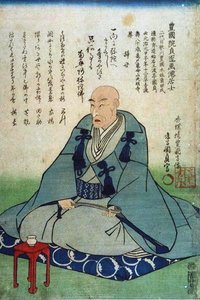
Утагава Кунисада Ii
1823 - 1880 , Япония
Основные сведения
- Artistic Movement Or Style: Укиё-э (якуся-э)
- Artists Or Movements Influenced By This Artist: ['Школа Утагава']
- Artists Who Influenced This Artist: ['Утагава Кунисада I']
- Date Of Birth: 1823
- Date Of Death: 1880
- Full Name: Утагава Кунисада II
- Nationality: Японец
- Notable Artworks:
- Хаккэндэн ину но соси но ути (Повесть о восьми героях-псах)
- Осакский актер Катаока Гадо в роли Ан но Хэйбэя
- Place Of Birth: Токио, Япония