

 Предпросмотр
 Поделиться
 Поделиться
 Детали произведения

 Скачать
 Похожие работы
 Рентгенография
 Слайд-шоу
 Статистика
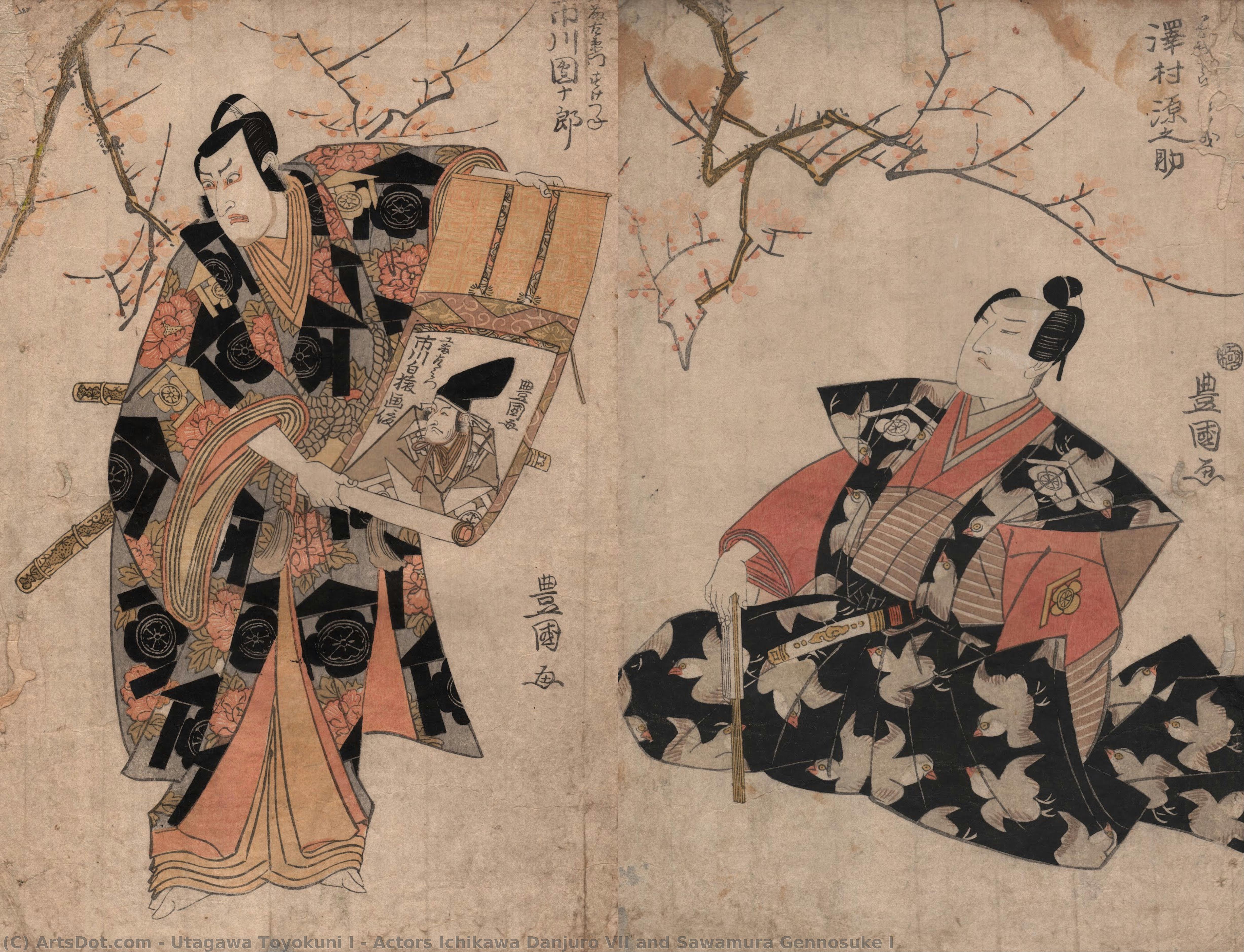
Actors Ichikawa Danjuro VII and Sawamura Gennosuke I
 Woodblock Print
- Ukiyo-e
 1809
1809- 19th Century
 38.0 x 52.0 cm
 Bujalance Collection
 Читать далее
Приобретите цифровое изображение высокого разрешения в улучшенном качестве, которое значительно превосходит онлайн-превью.
Каждый файл тщательно подготавливается нашими специалистами с использованием передовых инструментов и экспертной ручной ретуши. Мы гарантируем исключительную четкость, точную цветопередачу и детальную проработку каждого изображения.
Финальный файл доставляется по электронной почте в течение 72 часов и оптимизирован для немедленного использования в профессиональной среде, при верстке и печати. Это тот же уровень качества, которому доверяют ведущие дизайнерские студии, издательства и галереи.
Цифровое изображение
Скачайте файл высокого разрешения для личного использования, печати и творческих проектов. ( Перейти к печати Купить картину ручной работы)
Включено в каждый заказ цифровых изображений
Гарантия экспертной цифровой доставки
Выбирая ArtsDot.com, вы получаете не просто изображение — вы приобретаете профессионально обработанное цифровое произведение искусства, созданное с безупречной точностью и под защитой гарантии качества. Вот всё, что автоматически входит в ваш заказ:

Мгновенная доставка по e-mail
Ваш цифровой файл в высоком разрешении будет отправлен вам по электронной почте в течение 72 часов после оформления заказа — и сразу станет доступен для использования.

Цифровой файл с ИИ-улучшением
Ваше произведение искусства проходит профессиональную оптимизацию с использованием передовых инструментов ИИ и ручной обработки, что гарантирует максимальную детализацию, четкость и точность цветопередачи.

Бессрочная бесплатная повторная доставка
Случайно удалили или потеряли файл? Не беспокойтесь — мы отправим его вам повторно в любое время и совершенно бесплатно.

Без импортных пошлин — навсегда
Наслаждайтесь вашим произведением искусства мгновенно без таможенных пошлин, сборов или затрат на доставку — цифровые загрузки всегда не облагаются налогом.

Гарантия точности цветопередачи
Мы гарантируем, что ваше цифровое изображение максимально точно передает оригинальные цвета благодаря использованию профессиональных инструментов и систем управления цветом.

Гарантия удовлетворенности 100 дней
Если вы не будете удовлетворены своим цифровым изображением, мы внесем правки или вернем 100% стоимости в течение 100 дней — без лишних вопросов.

100% Гарантия возврата средств
Не удовлетворены покупкой? Получите полный возврат средств в течение 100 дней после получения цифрового файла — без лишних вопросов.

Скидки на оптовые заказы
Купите 3 изображения, сэкономьте 10% — Купите 5, сэкономьте 15% — Купите 10+, сэкономьте 20%. Отличное решение для творческих проектов, галерей и агентств.
A Dramatic Encounter in the Floating World
In the vibrant heart of Edo-period Japan, the theater was not merely entertainment; it was a mirror reflecting the passions, heroism, and social complexities of the era. This exquisite ukiyo-e diptych, created in 1809 by the legendary Utagawa Toyokuni I, captures a moment of profound theatrical tension. The artwork presents two iconic Kabuki actors, Ichikawa Danjuro VII and Sawamura Gennosuke I, frozen in a dramatic tableau that transcends the boundaries of the stage. As part of a larger triptych, these prints invite the viewer into a world where lineage and legacy are physically unrolled before our eyes. On one side, we witness the intensity of Ichikawa Danjuro VII portraying Kudo Saemon Suketsune, an actor caught in the act of revealing a hidden truth through a sacred scroll. Opposite him, Sawamura Gennosuke I embodies the role of Soga Juro Sukenari, completing a narrative arc that is as much about familial honor as it is about dramatic confrontation.
The composition is a masterclass in the Ukiyo-e tradition, utilizing a vertical format that emphasizes the commanding presence of the performers. Toyokuni employs a striking use of contrast, setting the brightly colored, intricately patterned garments of the samurai against a dark, undefined background. This technique creates a chiaroscuro effect that pulls the figures forward, making their movements feel immediate and visceral. The lines are precise and deliberate, defining the sharp edges of weaponry and the flowing silk of the kimonos with surgical accuracy. There is a rhythmic symmetry in the way the two panels interact, guiding the eye across the space between the actors to find the connection within the unfolding story.
The Artistry of Woodblock and Lineage
To behold this work is to appreciate the meticulous technical skill required by the woodblock printing process. Each print is a result of a collaborative dance between artist, carver, and printer. The texture of the piece possesses a subtle, organic grain, a hallmark of authentic woodblock techniques that lends a sense of historical weight to the paper. Toyokuni’s use of color is both bold and sophisticated; he utilizes flat planes of pigment that are layered to create depth without relying on Western-style perspective. Instead, depth is suggested through the clever overlapping of elements—the way a hand grips a hilt or the delicate unfurling of a scroll containing calligraphy. This flattened perspective is quintessential to the "pictures of the floating world," focusing the viewer's attention on the graphic power of the design rather than realistic spatial illusion.
Beyond the visual splendor, the artwork is steeped in profound symbolism. The presence of the ukiyo (scroll) serves as a powerful metaphor for memory and the weight of ancestry. As Danjuro VII unrolls the painting of his father, Ichikawa Hakuen, the artwork becomes a meta-commentary on the continuity of art and the inescapable influence of one's predecessors. Elements such as the stylized motifs and the sharp, decisive postures of the warriors evoke themes of transience and the fleeting nature of glory—concepts central to the Japanese aesthetic of mono no aware. For the collector or interior designer, this piece offers more than mere decoration; it provides a window into a vanished era of high drama and cultural refinement.
Integrating such a masterpiece into a contemporary space allows for a sophisticated dialogue between history and modernity. Whether placed in a minimalist gallery setting or as a focal point in a richly textured study, the print’s bold outlines and dramatic energy command attention. It serves as an evocative conversation piece, inviting guests to contemplate the intricate layers of Japanese history, the technical mastery of the Utagawa school, and the timeless allure of the Kabuki stage. Owning a high-quality reproduction of this work is an opportunity to preserve a fragment of Edo's golden age, bringing the soul of the floating world into the modern home.
Похожие произведения
Биография художника
The Rise of a Theatrical Master: Utagawa Toyokuni I
Utagawa Toyokuni I, born in Edo in 1769 and passing in 1825, stands as a pivotal figure in the history of ukiyo-e, the “pictures of the floating world.” While many artists contributed to this vibrant art form, Toyokuni’s impact was particularly profound. He wasn't merely a recorder of his time; he *defined* it for countless viewers through his captivating depictions of kabuki actors and the beauties of Edo society. His ascent marked not only a personal triumph but also the elevation of the Utagawa school to unprecedented levels of fame and influence, a position it would maintain throughout much of the 19th century. Toyokuni’s story is one of diligent study, masterful synthesis, and an acute understanding of popular taste – a combination that propelled him to become arguably the most successful printmaker of his era.Early Life and Apprenticeship: Foundations in Edo
Toyokuni's origins lay within a family steeped in artistic craft. His father, Kurahashi Gorobei, was a skilled carver specializing in dolls and puppets – miniature representations often modeled after the celebrated performers of the kabuki stage. This early exposure to the world of theatre undoubtedly ignited a passion that would later define Toyokuni’s career. Around the age of fourteen, he entered the workshop of Utagawa Toyoharu, the first head of the Utagawa school and a well-respected artist in his own right. The connection was facilitated by his father's existing relationship with Toyoharu, who lived nearby. Within this environment, Toyokuni embarked on a rigorous artistic education alongside fellow pupil Toyohiro – a lineage that would later produce another giant of ukiyo-e, Hiroshige, renowned for his landscape prints. He adopted the name Utagawa Toyokuni as was customary, incorporating a syllable from his master’s name in a gesture of respect and artistic continuity.A Synthesis of Styles: Forging an Individual Path
Unlike some artists blessed with immediate, innate talent, Toyokuni appears to have been a dedicated student, meticulously absorbing the techniques and aesthetics of those who preceded him. He didn’t seek to revolutionize ukiyo-e overnight; instead, he embarked on a period of intense study, focusing intently on the works of masters like Utamaro, Chōbunsai Eishi, and Eishōsai Chōki. He wasn't simply copying their styles but rather dissecting them, understanding their strengths, and ultimately synthesizing them into something uniquely his own. This process demanded considerable effort and patience, resulting in a style characterized by elegance, refinement, and an unparalleled attention to detail. He moved beyond imitation, developing a distinctive approach that would soon become instantly recognizable.Kabuki as Canvas: The Yakusha-e Revolution
Toyokuni’s true breakthrough came with his focus on yakusha-e, portraits of kabuki actors. While not the first to depict these performers, he elevated the genre to new heights. His prints weren't merely likenesses; they were dynamic representations of actors *in character*, capturing the energy and drama of a performance. He possessed an extraordinary ability to convey personality – the swagger of a heroic warrior, the vulnerability of a tragic heroine, the cunning of a mischievous rogue. Unlike Sharaku, whose portraits often emphasized exaggerated features to reveal inner character, Toyokuni strived for accuracy, recreating the experience of witnessing a play firsthand. His prints showed actors *acting*, not just posed figures in costume. This commitment to realism resonated deeply with theatre-goers, making his work immensely popular and solidifying his reputation as the leading yakusha-e artist of his time. Beyond kabuki, Toyokuni also excelled in other genres, including musha-e (warrior prints) and bijin-ga (pictures of beautiful women), demonstrating a remarkable versatility.Legacy and Historical Significance: A Lasting Impression
Utagawa Toyokuni I’s influence on the development of ukiyo-e is undeniable. He not only achieved immense commercial success during his lifetime but also laid the foundation for the Utagawa school's dominance in the 19th century. His pupils, including his son and successor, continued to build upon his legacy, perpetuating his style and expanding the reach of ukiyo-e. While Sharaku is often lauded by modern art historians for his psychological insight, it was Toyokuni who captured the hearts of the Edo public. His prints offered a window into their world – a celebration of theatre, beauty, and the fleeting pleasures of life. Today, his works are treasured as masterpieces of Japanese art, providing invaluable insights into the culture and aesthetics of the Edo period.- Key Contribution: Revolutionized yakusha-e (kabuki actor prints) with dynamic portrayals of actors in performance.
- Style Characteristics: Elegance, refinement, accuracy, and attention to detail.
- Influences: Utamaro, Chōbunsai Eishi, Eishōsai Chōki, Utagawa Toyoharu
- Genres Explored: Yakusha-e, Bijin-ga, Musha-e, and Shunga.
utagawa toyokuni i
1769 - 1825
Основные сведения
- Artistic Movement Or Style: Ukiyo-e
- Artists Or Movements Influenced By This Artist: Hiroshige, Utagawa school
- Artists Who Influenced This Artist:
- Utamaro
- Chōbunsai Eishi
- Eishōsai Chōki
- Date Of Birth: 1769
- Date Of Death: 1825
- Full Name: Utagawa Toyokuni I
- Nationality: Japanese
- Notable Artworks:
- Yakusha-e portraits
- Bijin-ga paintings
- Musha-e warriors
- Shunga erotica
- Place Of Birth: Edo, Japan