

 Поделиться
 Поделиться
 Детали произведения

 Скачать
 Похожие работы
 Слайд-шоу
 Статистика
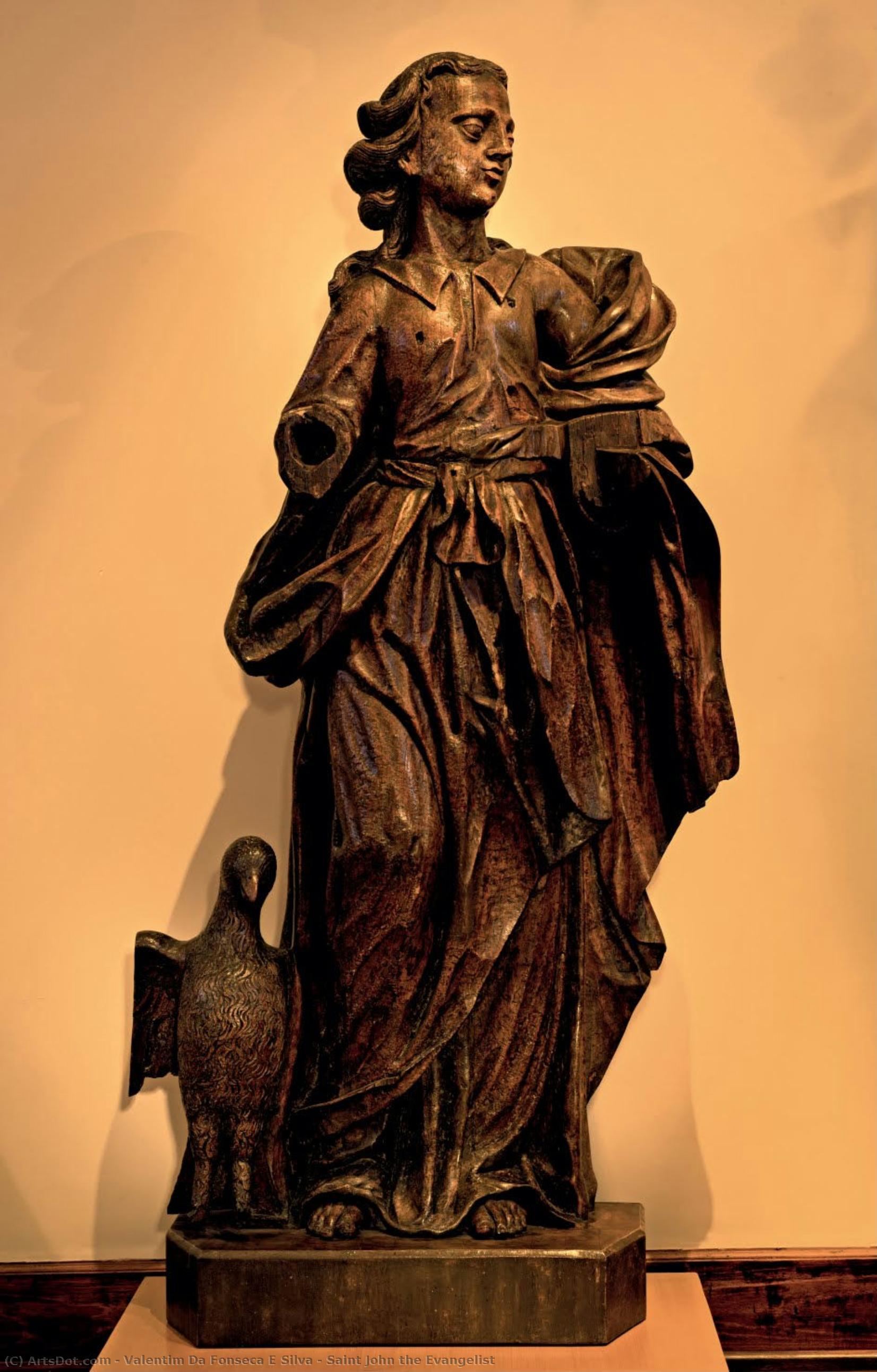
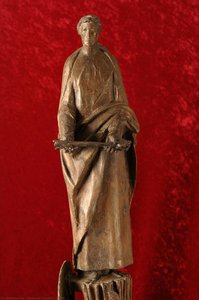
Saint John the Evangelist
 Sculpture
- Sculpture
- Baroque
 1810
1810- 19th Century
 188.0 x 96.0 cm
 Национальный исторический музей
 Читать далее
Приобретите цифровое изображение высокого разрешения в улучшенном качестве, которое значительно превосходит онлайн-превью.
Каждый файл тщательно подготавливается нашими специалистами с использованием передовых инструментов и экспертной ручной ретуши. Мы гарантируем исключительную четкость, точную цветопередачу и детальную проработку каждого изображения.
Финальный файл доставляется по электронной почте в течение 72 часов и оптимизирован для немедленного использования в профессиональной среде, при верстке и печати. Это тот же уровень качества, которому доверяют ведущие дизайнерские студии, издательства и галереи.
Цифровое изображение
Скачайте файл высокого разрешения для личного использования, печати и творческих проектов. ( Перейти к печати Купить картину ручной работы)
Включено в каждый заказ цифровых изображений
Гарантия экспертной цифровой доставки
Выбирая ArtsDot.com, вы получаете не просто изображение — вы приобретаете профессионально обработанное цифровое произведение искусства, созданное с безупречной точностью и под защитой гарантии качества. Вот всё, что автоматически входит в ваш заказ:

Мгновенная доставка по e-mail
Ваш цифровой файл в высоком разрешении будет отправлен вам по электронной почте в течение 72 часов после оформления заказа — и сразу станет доступен для использования.

Цифровой файл с ИИ-улучшением
Ваше произведение искусства проходит профессиональную оптимизацию с использованием передовых инструментов ИИ и ручной обработки, что гарантирует максимальную детализацию, четкость и точность цветопередачи.

Бессрочная бесплатная повторная доставка
Случайно удалили или потеряли файл? Не беспокойтесь — мы отправим его вам повторно в любое время и совершенно бесплатно.

Без импортных пошлин — навсегда
Наслаждайтесь вашим произведением искусства мгновенно без таможенных пошлин, сборов или затрат на доставку — цифровые загрузки всегда не облагаются налогом.

Гарантия точности цветопередачи
Мы гарантируем, что ваше цифровое изображение максимально точно передает оригинальные цвета благодаря использованию профессиональных инструментов и систем управления цветом.

Гарантия удовлетворенности 100 дней
Если вы не будете удовлетворены своим цифровым изображением, мы внесем правки или вернем 100% стоимости в течение 100 дней — без лишних вопросов.

100% Гарантия возврата средств
Не удовлетворены покупкой? Получите полный возврат средств в течение 100 дней после получения цифрового файла — без лишних вопросов.

Скидки на оптовые заказы
Купите 3 изображения, сэкономьте 10% — Купите 5, сэкономьте 15% — Купите 10+, сэкономьте 20%. Отличное решение для творческих проектов, галерей и агентств.
A Divine Presence in Stone: The Soul of Saint John
In the presence of this sculpture of Saint John the Evangelist, one is immediately struck by a profound sense of spiritual yearning. Created around 1810 by the master Brazilian sculptor Valentim da Fonseca e Silva, the piece transcends its physical form to offer a window into the divine. The figure emerges with a striking upward gaze, eyes fixed upon a celestial realm unseen by the mortal viewer. This upward tilt of the head, combined with the flowing, striated textures of his hair, creates a dynamic sense of movement, as if the Saint is caught in a moment of sudden, holy revelation. The sculpture captures not just a man, but a profound theological experience, making it an arresting centerpiece for any collection dedicated to sacred art.
The craftsmanship displayed in this work speaks to the unparalleled skill of Mestre Valentim, a pioneer of Brazilian colonial artistry. Though time has weathered the original polychrome, the structural integrity and the rhythmic drapery of the Saint's wide tunic and cloak remain breathtaking. The artist utilizes deep, intentional folds to create a play of light and shadow that gives the stone a lifelike, breathing quality. At the feet of the Evangelist, the inclusion of the eagle—his traditional symbol—is rendered with delicate incised lines that suggest the texture of feathers, grounding the celestial subject in the natural world. This interplay between the heavy, grounded drapery and the ethereal expression of the face creates a masterful tension that is both intellectually stimulating and emotionally resonant.
Symbolism and the Legacy of Mestre Valentim
To behold this work is to understand the rich cultural tapestry of early 19th-century Brazil. As a sculptor of mixed heritage, Valentim da Fonseca e Silva infused his religious subjects with a unique sensitivity that bridged different worlds. The iconography here is classic yet deeply personal; the book held by the Saint serves as a reminder of his role as the author of the Gospel, while the eagle represents the soaring heights of divine inspiration. For the discerning collector or interior designer, this piece offers more than mere decoration; it provides a historical narrative of resilience and artistic triumph during the transition from colonial rule to independence.
Integrating a high-quality reproduction of such a significant work into a contemporary space allows for a sophisticated dialogue between history and modernity. Whether placed in a sunlit gallery, a quiet study, or a grand foyer, the sculpture’s commanding presence—measuring an impressive 188 x 96 cm—commands attention without overwhelming its surroundings. It serves as an anchor of tranquility and contemplation, inviting viewers to pause and reflect on the enduring power of faith and the timeless beauty of classical sculpture. For those seeking to curate an environment of depth, elegance, and historical significance, this depiction of Saint John stands as an incomparable choice.
Похожие произведения
Биография художника
Valentim da Fonseca e Silva: A Pioneer of Brazilian Sculpture
Valentim da Fonseca e Silva, more commonly known as Mestre Valentim, was a pivotal figure in Brazilian art and urban development during the late 18th and early 19th centuries. Born into a racially mixed society, his life and work reflect both the artistic currents of his time and the unique cultural landscape of colonial Brazil.
Early Life and Background
Mestre Valentim was born in Serra do Frio, Brazil, to Manoel da Fonseca e Silva, a white man, and Amatilde da Fonseca, a black woman. This mixed heritage was significant in shaping his perspective and experiences within the stratified society of colonial Brazil. While specific details about his early life remain scarce, it is believed that he may have traveled to Portugal with his family as a child, potentially receiving some initial artistic training there.
Artistic Training and Development
The precise nature of Valentim’s formal artistic education remains a subject of debate among scholars. However, upon returning to Brazil, he established himself in Rio de Janeiro, where he quickly gained recognition for his sculptural talents. His style evolved over time, initially influenced by the Baroque tradition prevalent in Portuguese art but gradually incorporating elements of Neoclassicism as it gained prominence.
Key Characteristics and Influences
Mestre Valentim’s work is distinguished by its simplicity, functionality, and elegance. He skillfully blended European artistic techniques with Brazilian sensibilities. His sculptures often exhibit a sense of naturalism and emotional depth. While influenced by Baroque aesthetics, he also embraced the emerging Neoclassical emphasis on clarity, balance, and proportion.
Notable Works
- Saint John the Evangelist (1810): This sculpture is considered one of Valentim’s masterpieces, showcasing his mastery of form and expression. It exemplifies his ability to capture religious themes with grace and emotional resonance.
- His contributions to urban planning in Rio de Janeiro: Valentim played a crucial role in redesigning several public spaces, including the Passeio Público, a popular promenade for residents.
Urban Planning Contributions
Beyond sculpture, Mestre Valentim made significant contributions as an urban planner. He was commissioned to design and oversee the construction of various public works in Rio de Janeiro, transforming the city’s landscape. His designs emphasized functionality, aesthetics, and accessibility for all citizens.
Legacy and Historical Significance
Mestre Valentim's legacy extends far beyond his individual artworks. He is celebrated as a pioneer of Brazilian sculpture and a key figure in shaping the artistic identity of the nation. His work helped to establish a distinctly Brazilian style that blended European influences with local traditions. He paved the way for future generations of Brazilian artists, leaving an indelible mark on the country’s cultural heritage.
Final Thoughts
Valentim da Fonseca e Silva's life and career represent a fascinating intersection of art, culture, and social change in colonial Brazil. His sculptures and urban planning projects continue to inspire and captivate audiences today, solidifying his place as one of the most important artists in Brazilian history.
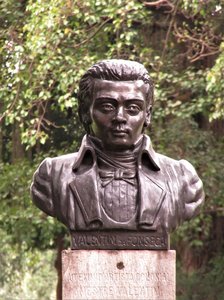
valentim da fonseca e silva
1813 , Brazil
Основные сведения
- Birth Place: Serra do Frio, Brazil
- Death Date: 1813
- Movement: Neoclassical, Baroque influence
- Name: Valentim da Fonseca e Silva
- Nationality: Brazilian
- Notable Works: ['Saint John the Evangelist']