

 Предпросмотр
 Поделиться
 Поделиться
 Детали произведения

 Скачать
 Похожие работы
 Рентгенография
 Слайд-шоу
 Статистика
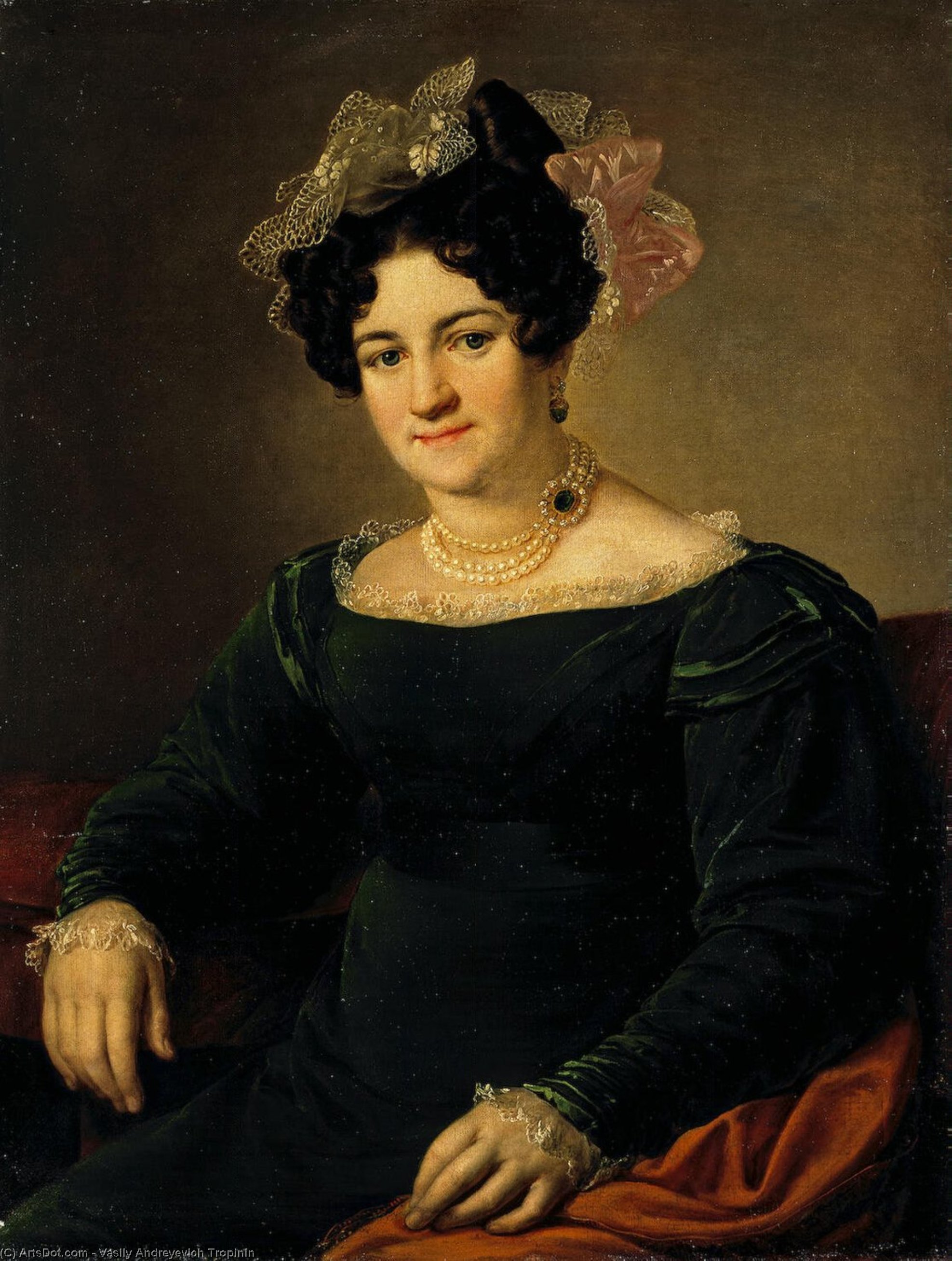
Portrait of P.I. Sapoznikova
 Oil On Canvas
- WallArt
- Romanticism
 1826
1826- 19th Century
 87.0 x 67.0 cm
 Эрмитаж
 Читать далее
Жикле / Арт-принт
Печать (жикле) или холст музейного качества с быстрыми сроками изготовления и широким выбором вариантов отделки. ( Купить картину ручной работы Перейти к цифровым изображениям)




P118B $10

P118H $10

P118W $10

P438Z $10

P508JH $12

P508YH $12

P805H $10

P805Z $10

P919BZ $10

P919G $10

P919XJ $10

P959ZH $10

P968JZ $12

W106C $8

W218G $10

W218JH $8

W218Y $10

W307PJ $10

W316G $10

W316PJ $8

W316Y $10

W398PJ $8

W4111J $10

W500HY $15

W500JH $15

W692G $12

W849H $8

W940BG $15

W953PJ $8




Выберите один из наших стандартных размеров, соответствующих оригинальным пропорциям произведения искусства.

Вы можете указать свои собственные размеры, чтобы репродукция идеально подошла под конкретную раму или пространство. Если выбранный вами размер не будет соответствовать пропорциям оригинала, мы либо обрежем произведение, либо дополним изображение зеркальным отражением краев или однотонной заливкой. Перед началом производства вам будет отправлен цифровой макет для утверждения.
Пожалуйста, обратите внимание, что предварительный просмотр на экране не отображает фактическую обрезку или расширение изображения. Только макет точно покажет финальную композицию.
Несмотря на возможность заказа индивидуальных размеров, мы рекомендуем выбирать размер из предопределенного списка, чтобы сохранить оригинальные пропорции.
Доставка по всему миру () за 2 недели вместо стандартных 4/5 недель. (13 Сентябрь)

Бесплатная экспресс-доставка по всему миру

Высококачественный льняной холст

Полное страхование доставки

Гарантия возмещения таможенных пошлин

Гарантия точного соответствия цветов

100-дневная политика возврата (только при обнаружении дефектов)

Гарантия возврата 100% средств

Предложение оптовых скидок
 Вариант со стеклом доступен только для размеров менее 110 см

Portrait of P.I. Sapoznikova
Жикле / Арт-принт
Размер репродукции
-


Итоговая стоимость
$ 62
A Vision of Serenity: The Soul Within the Portrait
In the quietude of Vasily Andreyevich Tropinin’s 1826 masterpiece, Portrait of P.I. Sapoznikova, one finds more than a mere likeness; one encounters a profound moment of stillness captured in time. As a cornerstone of Russian Romanticism, Tropinin possessed an unparalleled ability to bridge the gap between the external world and the internal spirit. The subject, seated with an aura of serene composure, directs her gaze outward, yet her eyes seem to hold a depth of contemplation that suggests a journey inward. This subtle nuance is what defines Tropinin’s humanist approach—he does not simply paint a face, but rather seeks to illuminate the very essence of the human condition.
The composition is a masterclass in understated elegance. The sitter is draped in a classic black dress, a choice that provides a striking canvas for the delicate lace detailing around her collar. This intricate texture, rendered with meticulous care, serves as a testament to the artist's technical prowess. Around her neck, a luminous pearl necklace rests, acting as a symbol of purity and refinement—motifs frequently utilized by Romantic era painters to elevate their subjects above the mundane realities of daily life. For the discerning collector or interior designer, this piece offers a sophisticated focal point that brings a sense of timeless grace and intellectual depth to any curated space.
Technique and the Play of Light
While Tropinin’s work is firmly rooted in the traditions of realism, there is an ethereal quality to his technique that borders on the impressionistic. He employs a soft blending of colors and a hazy atmospheric perspective that envelops the subject in a gentle, dreamlike glow. This is achieved through a masterful use of chiaroscuro, where the interplay between light and shadow creates a three-dimensional vitality, making the textures of lace, skin, and fabric feel almost tactile to the viewer.
The artist’s background—a journey from the hardships of serfdom to the heights of the Imperial Academy of Arts—is whispered through every brushstroke. There is a certain empathy in his handling of light, a tenderness that reflects his own resilience and deep understanding of human vulnerability. To possess a reproduction of this work is to invite this warmth into one's home, allowing the soft transitions of shadow and the brilliant highlights of the pearls to create an atmosphere of quiet luxury and emotional resonance.
A Legacy for the Modern Collector
Integrating a piece like the Portrait of P.I. Sapoznikova into a contemporary interior allows for a beautiful dialogue between history and modernity. Its palette, dominated by deep blacks and soft, luminous tones, complements both classical and minimalist decor. It serves as an anchor of stability and sophistication, providing a window into the 19th-century Russian soul.
For those seeking to decorate with intention, this artwork offers:
- Emotional Depth: A sense of peace and introspection that calms a room.
- Textural Richness: Exquisite details in lace and pearl that reward close observation.
- Historical Prestige: A connection to the golden age of Russian Romanticism and the legendary Vasily Tropinin.
Похожие произведения
Биография художника
The Soul of the Canvas: The Life and Legacy of Vasily Tropinin
Vasily Andreyevich Tropinin (19 March 1776 – 16 May 1857) remains a cornerstone of Russian Romanticism, an artist whose life story is as poignant and profound as the portraits he left behind. Born in the village of Korpovo under the heavy yoke of serfdom, Tropinin’s early existence was defined by the constraints of a social order that viewed him as property rather than person. Yet, within this struggle lay the seeds of an extraordinary artistic vision. His journey from the son of a peasant farmer to a celebrated master of the Imperial Academy of Arts is a testament to an indomitable spirit. The shadows of his early hardship—the vulnerability and the quiet resilience required to survive under Count Munnich’s estate—imbued his later works with a unique, empathetic depth, allowing him to capture the human condition with unparalleled tenderness. As he transitioned from the life of a serf to that of an artist, Tropinin’s development was shaped by the transformative allure of Saint Petersburg’s artistic circles. His enrollment in the Imperial Academy of Arts marked a pivotal departure from his initial apprenticeship as a confectioner, leading him toward the tutelage of masters like Sergei Petrovich Schukin. This period of rigorous training allowed him to absorb European traditions while simultaneously forging a distinctly Russian voice. His breakthrough came with the emotionally resonant Boy Grieving for a Dead Bird in 1804, a work that signaled his ability to translate raw, spiritual emotion into visual form. Through the patronage of influential figures such as Alexander Sergeyevich Stroganov, Tropinin moved beyond the periphery of society to become a central figure in the Moscow art scene during the reigns of Tsars Alexander I and Nicholas I.A Master of Intimacy and Light
Tropinin’s oeuvre is characterized by what many critics call a "quiet beauty." Unlike the grand, sweeping historical epics that would later define Russian art, Tropinin found his greatest strength in the intimate and the everyday. He possessed a singular ability to elevate the mundane into the monumental, finding divinity in a simple gesture or a soft gaze. His portraiture is not merely a record of facial features but an exploration of the inner life of his subjects. Whether depicting the nobility or the humble workers of the era, he applied a meticulous observation of light and texture that brought a sense of living warmth to the canvas. His mastery is perhaps most evident in his genre paintings, which celebrate the dignity of labor and the grace of simple existence. Notable works such as:- The Lace Maker, which captures the delicate concentration and rhythmic beauty of manual craft.
- The Gold-Embroideress, a piece that showcases his skill in rendering rich textures and shimmering light.
- His celebrated portrait of Alexander Pushkin, which connects him to the very heart of Russian literary and cultural identity.
Historical Significance and Enduring Resonance
The historical significance of Vasily Tropinin lies in his role as a bridge between eras. He navigated the transition from the rigid academicism of the late 18th century to the more soulful, observant style of the mid-19th century. By finding beauty in the lives of those often overlooked by history, he helped cultivate a national artistic identity that was both deeply Russian and universally human. His ability to achieve personal freedom—not attaining his legal liberty until he was well over forty years old—serves as a powerful subtext to his art, suggesting that true liberation is found through the creative expression of the soul. Today, Tropinin’s legacy continues to inspire, standing as a reminder of the power of art to transcend social boundaries and personal suffering. His paintings remain windows into a vanished world, offering a serene atmosphere and a refined elegance that continue to captivate collectors and historians alike. Through his brush, the quiet moments of the past are preserved with a luminous dignity, ensuring that his contribution to the tapestry of Russian art remains forever vibrant and profound.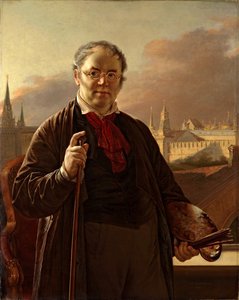
vasily andreyevich tropinin
1776 - 1857 , Russia
Основные сведения
- Artistic Movement Or Style: Romanticism
- Artists Who Influenced This Artist:
- Jean Auguste Dominique Ingres
- Alexei Nikolaevich Ostrovsky
- Date Of Birth: March 30, 1776
- Date Of Death: May 16, 1857
- Full Name: Vasily Andreyevich Tropinin
- Nationality: Russian
- Notable Artworks:
- Portrait of Alexander Pushkin
- The Lace Maker
- The Gold-Embroideress
- Place Of Birth: Korpovo, Russia
Похожие статьи
Vasily Surikov: Historical Epic & Psychological Realism in 19th-Century Russian Painting
Explore the powerful historical paintings of Vasily Surikov, a leading figure of Russian Realism. Discover his dramatic compositions, psychological depth & lasting influence on 19th-century art. Learn about collecting Surikov's masterpieces.
Victor Vasnetsov: Myth, Nationalism & the Revival of Russian Fairy Tale Painting
Explore the captivating world of Victor Vasnetsov, a co-founder of Russian folklorist painting. Discover his iconic works, influence on national identity, and lasting legacy in this expert guide.

Vasily Polenov: A Pioneer of Landscape Impressionism & Russian National Identity
Explore the captivating landscapes of Vasily Polenov, a pivotal figure in Russian art history. Discover his lyrical realism, biblical series & influence on Impressionism. Learn about the 'Knight of Beauty' and his enduring legacy.
Alexei Bogolyubov: Bridging Realism & Romanticism in the Russian Landscape Tradition
Explore the captivating world of Alexei Bogolyubov, a master of Russian Realism & Romanticism. Discover his stunning landscapes, maritime scenes, and lasting influence on 19th-century art. Learn more at ArtsDot.
Ivan Bilibin: A Synthesis of Folklore, Modernism & National Identity in Russian Illustration
Explore the enchanting world of Ivan Bilibin, a master Russian illustrator who synthesized folklore, Art Nouveau & national identity. Discover his iconic fairy tale illustrations and legacy with ArtsDot.