

 Предпросмотр
 Поделиться
 Поделиться
 Детали произведения

 Скачать
 Похожие работы
 Рентгенография
 Слайд-шоу
 Статистика
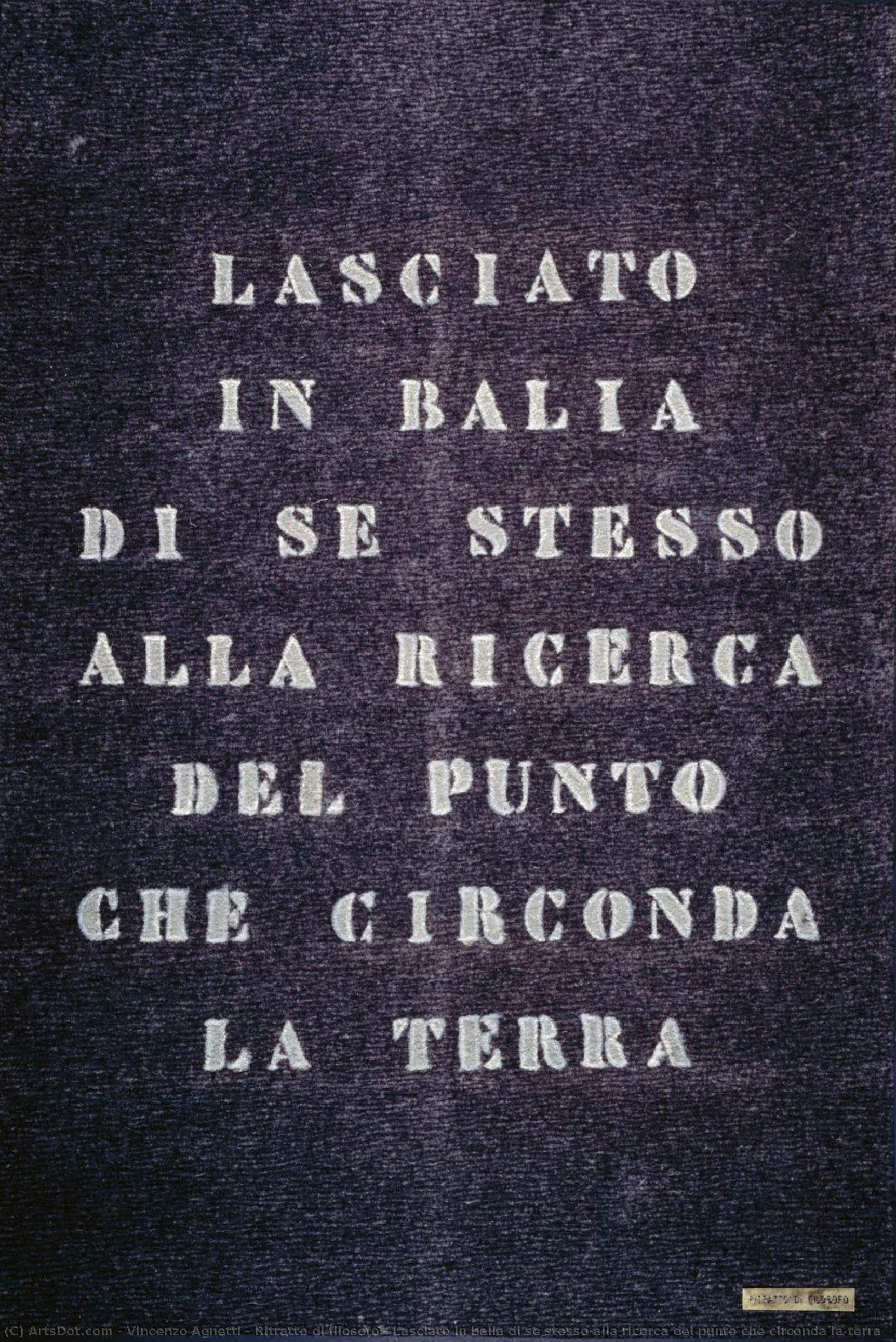
Ritratto di filosofo - Lasciato in balia di se stesso alla ricerca del punto che circonda la terra
 Читать далее
Приобретите цифровое изображение высокого разрешения в улучшенном качестве, которое значительно превосходит онлайн-превью.
Каждый файл тщательно подготавливается нашими специалистами с использованием передовых инструментов и экспертной ручной ретуши. Мы гарантируем исключительную четкость, точную цветопередачу и детальную проработку каждого изображения.
Финальный файл доставляется по электронной почте в течение 72 часов и оптимизирован для немедленного использования в профессиональной среде, при верстке и печати. Это тот же уровень качества, которому доверяют ведущие дизайнерские студии, издательства и галереи.
Цифровое изображение
Скачайте файл высокого разрешения для личного использования, печати и творческих проектов. ( Перейти к печати Купить картину ручной работы)
Включено в каждый заказ цифровых изображений
Гарантия экспертной цифровой доставки
Выбирая ArtsDot.com, вы получаете не просто изображение — вы приобретаете профессионально обработанное цифровое произведение искусства, созданное с безупречной точностью и под защитой гарантии качества. Вот всё, что автоматически входит в ваш заказ:

Мгновенная доставка по e-mail
Ваш цифровой файл в высоком разрешении будет отправлен вам по электронной почте в течение 72 часов после оформления заказа — и сразу станет доступен для использования.

Цифровой файл с ИИ-улучшением
Ваше произведение искусства проходит профессиональную оптимизацию с использованием передовых инструментов ИИ и ручной обработки, что гарантирует максимальную детализацию, четкость и точность цветопередачи.

Бессрочная бесплатная повторная доставка
Случайно удалили или потеряли файл? Не беспокойтесь — мы отправим его вам повторно в любое время и совершенно бесплатно.

Без импортных пошлин — навсегда
Наслаждайтесь вашим произведением искусства мгновенно без таможенных пошлин, сборов или затрат на доставку — цифровые загрузки всегда не облагаются налогом.

Гарантия точности цветопередачи
Мы гарантируем, что ваше цифровое изображение максимально точно передает оригинальные цвета благодаря использованию профессиональных инструментов и систем управления цветом.

Гарантия удовлетворенности 100 дней
Если вы не будете удовлетворены своим цифровым изображением, мы внесем правки или вернем 100% стоимости в течение 100 дней — без лишних вопросов.

100% Гарантия возврата средств
Не удовлетворены покупкой? Получите полный возврат средств в течение 100 дней после получения цифрового файла — без лишних вопросов.

Скидки на оптовые заказы
Купите 3 изображения, сэкономьте 10% — Купите 5, сэкономьте 15% — Купите 10+, сэкономьте 20%. Отличное решение для творческих проектов, галерей и агентств.
Похожие произведения








Биография художника
Early Life and Artistic Beginnings
Vincenzo Agnetti, born in Milan, Italy, in 1926, emerged from a post-war landscape grappling with reconstruction and a burgeoning desire to redefine artistic expression. His early life was steeped in the intellectual currents of a city rapidly modernizing yet deeply rooted in its historical past. While details surrounding his formal training remain somewhat elusive – a characteristic that would subtly mirror the conceptual nature of his later work – it’s clear he absorbed the prevailing atmosphere of experimentation and abstraction that permeated artistic circles in Milan during the 1950s. This period saw Italy shedding the vestiges of traditional academic styles, embracing new materials and challenging established notions of what constituted art. Agnetti's initial explorations were not immediately defined by a singular style; rather, they reflected a restless search for a visual language capable of articulating the complexities of the contemporary world. He wasn’t drawn to replicating reality but to questioning its very foundations, a tendency that would become central to his artistic identity.Association with Azimuth and Conceptual Shifts
The early 1960s proved pivotal for Agnetti as he became increasingly involved with the influential group Azimuth, alongside fellow artists Piero Manzoni and Enrico Castellani. This association was transformative, exposing him to radical ideas about art’s dematerialization and its potential to exist purely in the realm of thought and concept. Manzoni's provocative works – such as *Merda d'Artista* (Artist’s Dung) and his *Achromes* – directly challenged conventional definitions of artistic substance, while Castellani’s minimalist canvases explored the relationship between surface, form, and perception. Agnetti absorbed these influences but forged his own distinct path, turning towards language as a primary medium. He began to incorporate text into his works, not as descriptive elements but as autonomous entities capable of carrying meaning independent of visual representation. This marked a significant shift from traditional painting or sculpture toward conceptual art, where the idea behind the work superseded its physical manifestation.Language and Magnetism: A Unique Artistic Vocabulary
Agnetti’s mature work is characterized by his innovative use of language and, surprisingly, magnetism. He didn't simply *write* words on canvases; he deconstructed them, fragmented them, and reassembled them in ways that disrupted conventional syntax and meaning. Often, these textual elements were presented alongside magnetic fields, creating works where invisible forces interacted with the visible word. This exploration of magnetism wasn’t merely a formal device; it represented Agnetti's fascination with hidden energies, unseen structures, and the inherent instability of language itself. He believed that words, like magnetic forces, possessed an underlying power capable of influencing perception and challenging established systems of thought. His pieces often involved meticulously arranged letters or phrases on surfaces, subtly altered by the presence of magnets beneath, creating a dynamic interplay between order and chaos, visibility and invisibility. This unique combination of linguistic deconstruction and magnetic manipulation set him apart from his contemporaries.Major Achievements and Later Years
Throughout the 1960s and 70s, Agnetti exhibited extensively in Italy and internationally, gaining recognition for his conceptually rigorous and intellectually stimulating works. While he didn’t adhere to a single, easily definable style, his consistent exploration of language, perception, and hidden forces established him as a significant figure within the Italian art scene. He participated in numerous group exhibitions alongside prominent artists of the period and had several solo shows that showcased his evolving artistic vocabulary. His later work continued to refine these themes, delving deeper into the philosophical implications of communication and representation. He often questioned the authority of language itself, suggesting it was inherently flawed and incapable of fully capturing reality. Agnetti passed away in Milan in 1981, leaving behind a body of work that continues to challenge and provoke viewers today.Historical Significance and Legacy
Vincenzo Agnetti’s contribution to the development of conceptual art in Italy is undeniable. He wasn't simply following trends; he was actively shaping them, pushing the boundaries of artistic expression and questioning fundamental assumptions about the nature of art itself. His association with Azimuth placed him at the forefront of a generation that sought to dismantle traditional hierarchies and embrace new forms of creative inquiry.- His pioneering use of language as an autonomous medium paved the way for subsequent generations of artists exploring textual strategies.
- The integration of magnetism into his work remains a unique and compelling example of interdisciplinary experimentation.
- Agnetti’s conceptual rigor and intellectual depth continue to resonate with contemporary audiences interested in the philosophical implications of art, language, and perception.
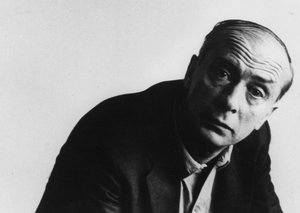
Vincenzo Agnetti
1926 - 1981