
- Главная

- Печать на холсте
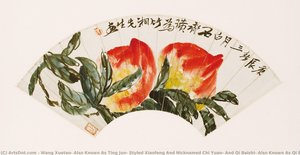
- Wang Xuetao, Also Known As Ting Jun, Styled Xiaofeng And Nicknamed Chi Yuan, And Qi Baishi, Also Known As Qi Baishi, Also Known As Qi Baishi, Also Kno

 Предпросмотр
 Поделиться
 Поделиться
 Детали произведения

 Скачать
 Похожие работы
 Рентгенография
 Слайд-шоу
 Статистика
Ocean Travels
 Contemporary Mixed Media
 78.0 x 67.0 cm
 Читать далее
Жикле / Арт-принт
Печать (жикле) или холст музейного качества с быстрыми сроками изготовления и широким выбором вариантов отделки. ( Купить картину ручной работы Перейти к цифровым изображениям)
































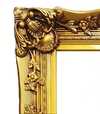
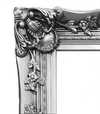
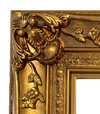
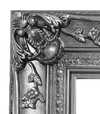
Выберите один из наших стандартных размеров, соответствующих оригинальным пропорциям произведения искусства.

Вы можете указать свои собственные размеры, чтобы репродукция идеально подошла под конкретную раму или пространство. Если выбранный вами размер не будет соответствовать пропорциям оригинала, мы либо обрежем произведение, либо дополним изображение зеркальным отражением краев или однотонной заливкой. Перед началом производства вам будет отправлен цифровой макет для утверждения.
Пожалуйста, обратите внимание, что предварительный просмотр на экране не отображает фактическую обрезку или расширение изображения. Только макет точно покажет финальную композицию.
Несмотря на возможность заказа индивидуальных размеров, мы рекомендуем выбирать размер из предопределенного списка, чтобы сохранить оригинальные пропорции.
Доставка по всему миру () за 2 недели вместо стандартных 4/5 недель. (14 Сентябрь)

Бесплатная экспресс-доставка по всему миру

Высококачественный льняной холст

Полное страхование доставки

Гарантия возмещения таможенных пошлин

Гарантия точного соответствия цветов

100-дневная политика возврата (только при обнаружении дефектов)

Гарантия возврата 100% средств

Предложение оптовых скидок
 Вариант со стеклом доступен только для размеров менее 110 см

Ocean Travels
Жикле / Арт-принт
Размер репродукции
-


Итоговая стоимость
$ 62
Похожие произведения



Биография художника
A Life Dedicated to Blossoms and Birds: The World of Wang Xuetao
Wang Xuetao (1903-1982), a name synonymous with delicate freehand flower-and-bird paintings in modern Chinese art, embarked on a journey that beautifully intertwined tradition and innovation. Born Wang Tingjun in Cheng’an, Hebei Province, he adopted the courtesy name Xiaofeng and the art name Chiyuan, reflecting a life steeped in artistic contemplation. His path wasn't one of inherited privilege but rather a self-driven pursuit fueled by an innate passion for capturing the ephemeral beauty of nature. From his early education at the Cheng’an County Higher Primary School to his initial studies at the Handicraft and Drawing Department attached to the Baoding Zhili Higher Normal School, Wang laid the groundwork for a career that would blossom into national recognition. A pivotal moment arrived in 1924 when he became a pupil of the celebrated master Qi Baishi, an encounter that profoundly shaped his artistic trajectory. Qi Baishi not only imparted technical skills but also instilled a deep appreciation for the essence of Chinese painting—a harmonious blend of likeness and unlikeness, observation and expression.The Influence of Qi Baishi and Early Development
Qi Baishi’s influence on Wang Xuetao was transformative. Renaming him “Xuetao” – meaning snow peach – Qi recognized a kindred spirit in the young artist's sensitivity to form and color. Wang initially studied Western painting at the State Beijing Arts School, but his heart lay with traditional Chinese techniques. This unique blend of Eastern and Western approaches would become a hallmark of his style. After graduating in 1926, he remained at the school as a teaching assistant and lecturer, simultaneously contributing to institutions like Jinghua Art Academy and Peking Arts Academy. During this period, Wang’s work began to emerge, characterized by meticulous brushwork and a growing mastery of *xieyi* – freehand brushwork emphasizing vivid expression and bold outlines. He wasn't merely replicating nature; he was interpreting it through the lens of his own artistic sensibility, imbuing each flower, bird, and insect with personality and life. Collaborations with artists like Wang Mengbai in 1931, such as the creation of “Mynah and Phoenix Tree Painting,” demonstrate a willingness to experiment and refine his skills alongside peers.A Synthesis of Tradition and Personal Vision
Wang Xuetao’s artistic philosophy centered on integrating Western sketching methods with traditional Chinese aesthetics. He didn't abandon the principles of structure and form but rather enhanced them through careful observation and anatomical accuracy. His subjects were diverse – veriegated flowers, succulent fruits, humble vegetables, and lively poultry – yet they all shared a common thread: a vibrant energy and an almost palpable sense of life. He skillfully balanced ink washes with appropriate color emphasis, creating works that weren’t simply decorative but emotionally resonant. The 1950s saw his participation in the “New Chinese Painting Research Association,” further solidifying his commitment to exploring new avenues within traditional forms. His peony paintings, in particular, gained widespread popularity for their smart layout and delicate calligraphy, adding layers of richness and sophistication. He held numerous important positions – director of the Chinese Artists Association, president of the Beijing Fine Art Academy, vice chairman of the Beijing Artists Association, and chairman of the Beijing Flower And Birds Painting Association – demonstrating his leadership within the art community.Major Achievements and Lasting Legacy
Throughout his career, Wang Xuetao created a vast body of work that showcased his exceptional talent and unwavering dedication to his craft. Notable pieces include “Group of Chickens Painting,” “Myriad Purple and Thousand Red,” “Hundred Flowers Blooming,” and “Flowers and Birds of the Four Seasons.” He also authored influential texts such as “Wang Xuetao’s Painting Collection” and “Wang Xuetao’s Painting Manual,” sharing his knowledge with future generations. His work often featured collaborative efforts, like "Universal Celebration" in 1951 alongside Qi Baishi and other prominent artists, highlighting the spirit of artistic exchange within China's art circles. In later life, Wang continued to push boundaries, exhibiting works such as “Eight Scrolls of Birds” at the First Joint Exhibition of the Beijing Painting Academy and the Japan Nanga Institute in 1981. His death in 1982 marked the end of a remarkable career, but his legacy continues to inspire artists today. Wang Xuetao’s contribution lies not only in his technical mastery but also in his ability to breathe new life into traditional forms, creating works that are both deeply rooted in Chinese culture and universally appealing. He stands as a testament to the power of dedication, innovation, and a lifelong pursuit of artistic excellence.A Continuing Influence
- Wang Xuetao’s paintings continue to be exhibited and studied for their technical brilliance and emotional depth.
- His influence can be seen in contemporary Chinese flower-and-bird painting, with many artists drawing inspiration from his unique style.
- The artist's writings remain valuable resources for students of traditional Chinese art techniques.
- His work serves as a bridge between generations, connecting the rich heritage of Chinese painting with modern artistic expression.
Основные сведения
- Artistic Movement Or Style: Freehand flower-and-bird painting
- Artists Who Influenced This Artist:
- Qi Baishi
- Wang Mengbai
- Date Of Birth: 1903
- Date Of Death: 1982
- Full Name: Wang Xuetao
- Nationality: Chinese
- Notable Artworks:
- Ocean Travels
- Flowers and Insects-2
- Flowers and Insects 1
- Place Of Birth: Cheng'an, Hebei, China
Похожие статьи

The Enduring Form: Exploring Themes & Techniques in Sculpture Across Historical Periods
Explore the rich history of sculpture from ancient masterpieces to contemporary innovations. Discover key techniques, influential artists & investment potential for discerning art collectors.

10 легендарных бронзовых шедевров, изменивших искусство | ArtsDot
Погрузитесь в мир великих бронзовых шедевров! От Давида Донателло до Мыслителя Родена – узнайте историю создания, технику и значение легендарных скульптур. Вдохновение для интерьера и музейное качество репродукций на ArtsDot.com.

The Enduring Form: Sculpture Across History, Technique & Emotional Resonance
Explore the rich history of sculpture with ArtsDot. Discover key techniques, influential artists & investment potential for discerning collectors. Expert insights into valuing and collecting timeless masterpieces.

10 легендарных бронзовых скульптур, изменивших искусство навсегда | ArtsDot
Погрузитесь в мир великих бронзовых скульптур! От Давида Микеланджело до работ Родена – история искусства, техники и вдохновения. Купите репродукции шедевров для вашего интерьера на ArtsDot.com
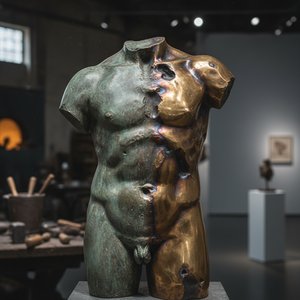
Непреходящее наследие бронзовой скульптуры: история, техники и современные интерпретации
Узнайте историю бронзовой скульптуры, техники литья и советы по коллекционированию от экспертов. Откройте для себя вечное искусство бронзы!