 Предпросмотр
 Поделиться
 Поделиться
 Детали произведения

 Скачать
 Похожие работы
 Рентгенография
 Слайд-шоу
 Статистика
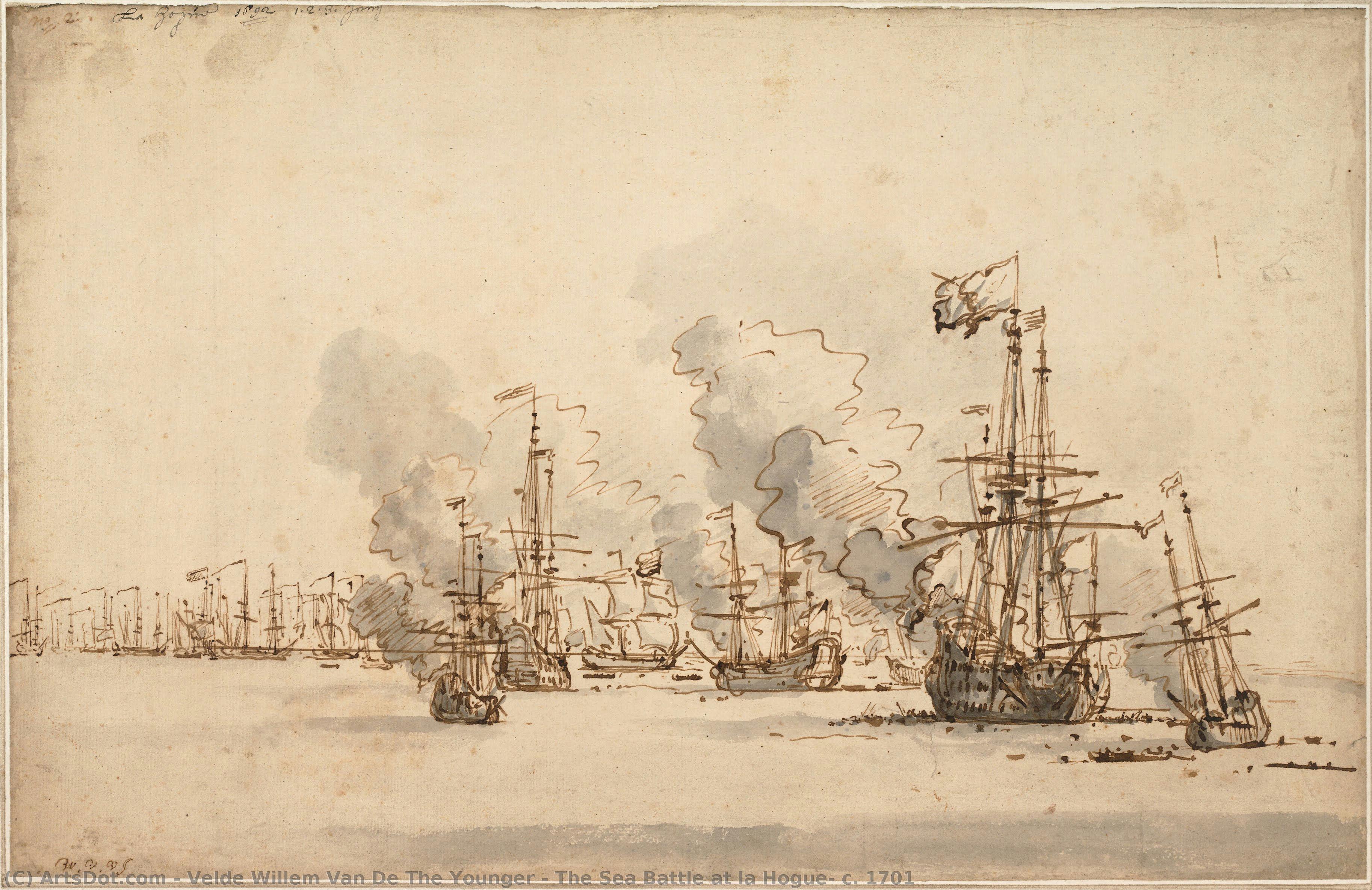
The Sea Battle at la Hogue, c. 1701


 Читать далее
Жикле / Арт-принт
Печать (жикле) или холст музейного качества с быстрыми сроками изготовления и широким выбором вариантов отделки. ( Купить картину ручной работы Перейти к цифровым изображениям)




P118B $10

P118H $10

P118W $10

P438Z $10

P508JH $12

P508YH $12

P805H $10

P805Z $10

P919BZ $10

P919G $10

P919XJ $10

P959ZH $10

P968JZ $12

W106C $8

W218G $10

W218JH $8

W218Y $10

W307PJ $10

W316G $10

W316PJ $8

W316Y $10

W398PJ $8

W4111J $10

W500HY $15

W500JH $15

W692G $12

W849H $8

W940BG $15

W953PJ $8




Выберите один из наших стандартных размеров, соответствующих оригинальным пропорциям произведения искусства.

Вы можете указать свои собственные размеры, чтобы репродукция идеально подошла под конкретную раму или пространство. Если выбранный вами размер не будет соответствовать пропорциям оригинала, мы либо обрежем произведение, либо дополним изображение зеркальным отражением краев или однотонной заливкой. Перед началом производства вам будет отправлен цифровой макет для утверждения.
Пожалуйста, обратите внимание, что предварительный просмотр на экране не отображает фактическую обрезку или расширение изображения. Только макет точно покажет финальную композицию.
Несмотря на возможность заказа индивидуальных размеров, мы рекомендуем выбирать размер из предопределенного списка, чтобы сохранить оригинальные пропорции.
Доставка по всему миру () за 2 недели вместо стандартных 4/5 недель. (13 Сентябрь)

Бесплатная экспресс-доставка по всему миру

Высококачественный льняной холст

Полное страхование доставки

Гарантия возмещения таможенных пошлин

Гарантия точного соответствия цветов

100-дневная политика возврата (только при обнаружении дефектов)

Гарантия возврата 100% средств

Предложение оптовых скидок
 Вариант со стеклом доступен только для размеров менее 110 см

The Sea Battle at la Hogue, c. 1701
Жикле / Арт-принт
Размер репродукции
-


Итоговая стоимость
$ 62
The Sea Battle at la Hogue, c. 1701: A Dutch Masterpiece of Naval Drama
Willem van de Velde the Younger’s “The Sea Battle at la Hogue, c. 1701” is not merely a depiction of naval combat; it's a meticulously rendered tableau of chaos, strategy, and the brutal beauty of maritime warfare. Painted around 1701, this oil-on-canvas work transports us directly to the heart of one of the most pivotal engagements of the Nine Years’ War – a clash that dramatically shifted the balance of power in Europe. More than just a historical record, it's a testament to Van de Velde’s extraordinary skill in capturing both the technical precision of sailing ships and the visceral drama of battle.
The painting immediately commands attention with its dynamic composition. Nine vessels, each rendered with astonishing detail – from the intricate rigging to the billowing sails – engage in a furious exchange of cannon fire. The artist masterfully utilizes perspective, drawing the viewer’s eye towards the central action while simultaneously establishing a sense of depth and scale. Notice how the smoke plumes rising from the ships create an atmospheric haze, intensifying the feeling of urgency and conflict. The scene is not romanticized; it's gritty, realistic, and undeniably unsettling.
A Window into 17th-Century Naval Warfare
Understanding the historical context is crucial to appreciating “The Sea Battle at la Hogue.” This battle, fought off the coast of Normandy in 1692, represented a decisive victory for the Dutch fleet against the combined forces of England and France. The engagement was strategically vital, preventing an English invasion of the Netherlands and solidifying Dutch maritime dominance. Van de Velde’s commission to document this event reflects the importance placed on naval power during that era – a time when control of the seas dictated political influence and economic prosperity.
The ships themselves are remarkably accurate representations of 17th-century vessels, meticulously researched by Van de Velde and his father, Willem van de Velde the Elder. The artist’s attention to detail extends beyond mere representation; he captures the nuances of ship design, highlighting the complex interplay between hull shape, sail configuration, and rigging – elements that directly impacted a ship's speed, maneuverability, and firepower. The inclusion of figures on deck—commanders directing operations, gunners loading cannons—adds a human element to the scene, reminding us that this was not just a mechanical contest but a struggle for survival.
Technique and Artistic Style
Van de Velde’s artistic style is characterized by a remarkable blend of realism and dynamism. He employed a technique known as “grisaille,” using monochrome underpaintings to establish the composition, perspective, and tonal values before applying color. This approach allowed him to build up the image gradually, ensuring accuracy and control. The use of layered brushstrokes creates a sense of texture and movement, particularly evident in the depiction of the billowing sails and the churning water.
The painting’s palette is restrained, dominated by muted browns, grays, and blues – colors that effectively convey the atmosphere of smoke, mist, and turbulent seas. However, Van de Velde skillfully uses highlights to draw attention to key elements, such as the flashes of cannon fire and the gleaming surfaces of the ships' hulls. The overall effect is one of dramatic intensity, balanced by a remarkable degree of technical precision.
Symbolism and Emotional Impact
Beyond its historical significance, “The Sea Battle at la Hogue” resonates with powerful symbolic meaning. The battle itself represents the clash between competing empires – the struggle for dominance in Europe. The depiction of destruction and chaos evokes a sense of vulnerability and mortality, reminding us of the human cost of war. Yet, amidst the turmoil, there is also a certain beauty—a fascination with the power and majesty of naval warfare.
Reproductions of this masterpiece offer an exceptional opportunity to bring this dramatic scene into your home or office. Whether displayed as a statement piece in a grand living room or as a subtle accent in a study, “The Sea Battle at la Hogue” will undoubtedly captivate viewers with its historical detail, artistic skill, and evocative power. It’s more than just a painting; it's a window into a pivotal moment in European history.
Похожие произведения
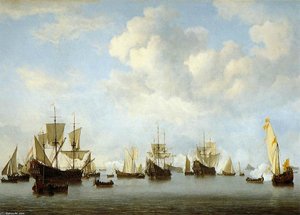
Биография художника
биография и художественный вклад
Виллем ван де Вельде Младший, прославленный голландский мастер морской живописи, родился в 1633 году в Лейдене, Нидерланды. Будучи сыном Виллема ван де Вельде Старшего, который также посвятил себя написанию морских пейзажей, Младший перенял основы мастерства у своего отца, а позже обучался у Симона де Флигера, пользовавшегося в те времена огромным авторитетом среди маринистов.художественный стиль и знаковые произведения
Художественный почерк Виллема ван де Вельде Младшего отличается изысканной, живой и безупречно проработанной техникой, поражающей точностью изображения судов и их сложной такелажной системы. Его полотна часто наполнены множеством фигур, которые мастерски вплетены в композицию для создания глубокого повествовательного контекста. Среди его наиболее выдающихся работ можно выделить:- голландские военные корабли и другие суда в штиле (доступно на ArtsDot.com)
- морское сражение при Ла-Аг, ок. 1701 г. (Альбертина, Вена, Австрия) (просмотреть на ArtsDot.com)
- штиль — два голландских судна (просмотреть на ArtsDot.com)
- три корабля в шторм (просмотреть на ArtsDot.com)
- голландские корабли в штиле (просмотреть на ArtsDot.com)
музеи и коллекции
Полотна Виллема ван де Вельде Младшего хранятся в различных мировых музеях, включая Маурицхаус в Гааге, Нидерланды (откройте для себя шедевры Маурицхауса на ArtsDot.com). Его работы также представлены в Коллекции Уоллеса в Лондоне, среди которых выделяется картина «Высадка короля Карла II в Схевенингене, 1660 год».наследие и влияние
Наследие Виллема ван де Вельде Младшего как великого мастера голландской маринистики продолжает вдохновлять художников и ценителей искусства по всему миру. Его внимание к мельчайшим деталям и редкий дар уловить саму душу моря превратили его картины в бессмертную классику. Будучи ключевой фигурой эпохи Золотого века Голландии, творчество Виллема ван де Вельде Младшего остается неотъемлемой частью мировой истории искусства. важные даты:* родился: 1633, Лейден, Нидерланды
* умер: 6 апреля 1707, Лондон, Англия
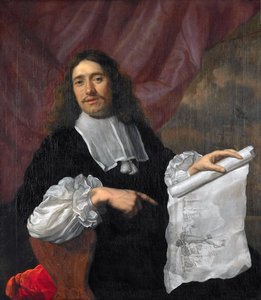
Виллем ван де Вельде мл.
1633 - 1707 , Нидерланды
Основные сведения
- Artistic Movement Or Style: Голландская морская живопись
- Artists Or Movements Influenced By This Artist: ['Голландская живопись']
- Artists Who Influenced This Artist: ['Виллем ван де Вельде старший']
- Date Of Birth: 1633 г.
- Full Name: Виллем ван де Вельде мл.
- Nationality: Нидерландский
- Notable Artworks:
- Битва при Ла Хауге
- Тихий шторм: два голландских судна
- Три корабля в бурю
- Place Of Birth: Лейден, Нидерланды
Похожие статьи
Willem van de Velde the Elder: Master of Maritime Painting & Chronicler of the Dutch Golden Age
Discover the captivating maritime paintings of Willem van de Velde the Elder, a master chronicler of the Dutch Golden Age. Explore his unparalleled realism and lasting influence on naval art history.
Pieter de Hooch: Illuminating Dutch Domestic Life & Golden Age Charm
Explore the captivating world of Pieter de Hooch, a master of Dutch Golden Age painting. Discover his innovative use of light, intimate domestic scenes, and lasting influence on art history. Learn more at ArtsDot.

Золотой век Голландии: 10 шедевров, изменивших искусство | ArtsDot.com
Погрузитесь в эпоху Золотого века Нидерландов! 10 шедевров Рембрандта, Вермеера и других мастеров. Узнайте истории создания культовых картин и вдохновитесь для интерьера. Репродукции музейного качества на ArtsDot.com.

Golden Age Reflections: Dutch Baroque Painting & Cultural Innovation
Explore the Dutch Golden Age of painting! Discover key artists like Vermeer & ter Borch, their innovative techniques, and the rich cultural context behind these Baroque masterpieces. Learn about collecting & appreciating this iconic art period.

Рембрандт ван Рейн: Топ-25 шедевров великого голландского мастера | ArtsDot
Погрузитесь в мир великого Рембрандта! 25 шедевров голландского барокко, истории создания картин и уникальные техники художника. Купите репродукции картин Рембрандта высочайшего качества для вашего интерьера на ArtsDot.com